Why Mizoram Should Be Your Next Trip.
Mizoram is a destination for travellers who prefer calm landscapes, strong cultural identity and meaningful travel experiences. Far from mass tourism, Mizoram offers an unhurried journey shaped by nature, community and tradition.
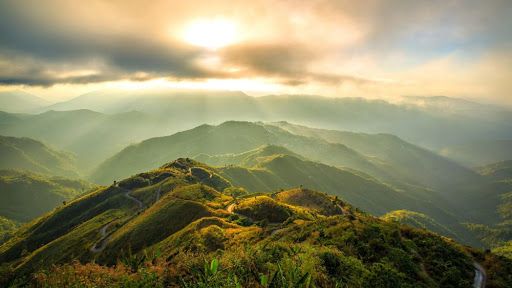
Peaceful hill landscapes: Rolling blue mountains, forested valleys and scenic viewpoints define Mizoram’s terrain, making it ideal for slow and nature-focused travel.
Strong cultural identity: Mizo society is deeply rooted in community values, music, dance and traditions that are still part of everyday life.
Clean and well-managed towns: Cities like Aizawl are among the cleanest in India, reflecting civic discipline and sustainable living practices.
Authentic festivals: Local festivals celebrate harvests, seasons and community life, offering genuine cultural experiences rather than staged performances.
Distinct local cuisine: Mizo food is simple, nutritious and closely tied to local ingredients, offering flavours unique to the region.
Safe and welcoming environment: Mizoram is considered one of the safest states in Northeast India, suitable for solo travellers, couples and families.
Ideal for mindful travel: The state naturally supports low-impact tourism through local stays, community engagement and respect for nature.
Mizoram is not about ticking off attractions quickly. It is about slowing down, observing local life and experiencing a part of India that remains deeply connected to its land and people.
Best Places to Visit in Mizoram
Mizoram is known for its scenic hills, quiet towns and nature-rich landscapes. The destinations here are best explored slowly, offering a mix of cultural insight, viewpoints, waterfalls and forested escapes.
Aizawl: The capital city and cultural heart of Mizoram, Aizawl sits along a ridgeline with panoramic views of surrounding hills. It is the best place to experience Mizo lifestyle, local markets, museums and music culture.
Reiek: A scenic hill village near Aizawl, Reiek is known for its traditional Mizo heritage village, forest trails and hilltop views. It offers a blend of culture, nature and light trekking.
Vantawng Falls: The highest waterfall in Mizoram, Vantawng Falls is surrounded by dense forest and steep valleys. It is one of the most impressive natural attractions in the state, especially after the monsoon.
Champhai: Located near the Myanmar border, Champhai is often called the fruit bowl of Mizoram. The region is known for vineyards, rolling valleys and cooler weather.
Phawngpui: Also known as the Blue Mountain, Phawngpui is the highest peak in Mizoram and a protected national park. It offers dramatic landscapes, rare flora and fauna, and rewarding treks for nature lovers.
Serchhip: A quiet town surrounded by hills and forests, Serchhip serves as a gateway to nearby waterfalls and natural viewpoints. It is ideal for travellers seeking less-crowded locations.
Tamdil Lake: A serene natural lake surrounded by forest, Tamdil is a peaceful picnic and relaxation spot. It reflects Mizoram’s calm environment and low-impact tourism approach.
Hmuifang: Known for its open grasslands and viewpoints, Hmuifang is popular for nature walks and cultural events. It provides wide views of the surrounding hills and valleys.
Together, these places showcase Mizoram’s natural beauty, cultural depth and tranquil pace of life. They form the foundation of a well-balanced Mizoram tour, suited for travellers seeking authenticity, scenery and sustainable exploration.
Important Hill Passes and Routes in Mizoram
Mizoram does not have many formally named mountain passes like higher Himalayan states. However, its landscape is shaped by continuous hill ridges, winding mountain roads and natural passes that connect valleys, towns and border regions. These routes play a vital role in travel, trade and daily life across the state.
Aizawl to Champhai Hill Route: One of the most scenic routes in Mizoram, this road passes through high ridges and valleys near the Myanmar border. It offers sweeping views of hills, farmlands and forested slopes.
Aizawl to Lunglei Road: A major internal route connecting northern and southern Mizoram, this road crosses multiple hill sections and natural passes, showcasing the state’s rugged terrain.
Aizawl to Serchhip Hill Stretch: This route features gentle mountain passes and forested landscapes, commonly used by travellers heading towards eastern Mizoram.
Saiha and Southern Mizoram Routes: Roads leading towards Saiha and southern districts pass through remote hill corridors, offering quiet journeys through less-explored regions.
Travelling through the hill passes of Mizoram is not just about reaching a destination. It is about experiencing the rhythm of the land, where roads follow natural contours and journeys unfold at a calm, unhurried pace.
Mountains in Mizoram
Mizoram is a land of rolling hills and high ridges rather than sharp Himalayan peaks. Its mountains form part of the Patkai range system and shape the state’s climate, culture and way of life. These hills are deeply connected to local traditions and are best experienced through slow travel and nature-based exploration.
Phawngpui: Also known as the Blue Mountain, Phawngpui is the highest peak in Mizoram. Located in the southeastern part of the state, it is part of a protected national park known for rare orchids, rich wildlife and sweeping views. The area holds strong cultural significance for the local Mizo community.
Hmuifang: Situated south of Aizawl, Hmuifang is known for its open grasslands and forested hills. It is a popular spot for nature walks, viewpoints and cultural events, offering wide panoramic views of the surrounding landscape.
Reiek: Reiek Hill rises near Aizawl and is known for its forest cover and heritage village. The hilltop provides scenic views and is often visited for light trekking and cultural exploration.
Lushai Hills: Much of Mizoram lies within the Lushai Hills, a broad hill range characterised by parallel ridges and deep valleys. These hills influence settlement patterns, farming practices and traditional lifestyles across the state.
Mizoram’s mountains are not about extreme altitude but about atmosphere, greenery and connection with nature. They offer quiet spaces for reflection and exploration, making them ideal for travellers seeking calm landscapes and meaningful experiences.
Historical Places in Mizoram
Mizoram may not be known for grand forts or ancient ruins, but its history is preserved through sacred sites, museums, villages and memorials that reflect the social, cultural and spiritual evolution of the Mizo people. These places offer insight into tribal life, early settlements, colonial influence and the spread of Christianity in the region.
Mizoram State Museum, Aizawl: The most important historical institution in the state, this museum showcases Mizo heritage through traditional artefacts, weapons, textiles, musical instruments and historical photographs. It is essential for understanding Mizoram’s tribal history and cultural identity.
Khawnglung: An ancient settlement believed to be one of the earliest Mizo villages. Khawnglung is associated with important legends and early tribal migration stories, making it significant in Mizoram’s oral history.
Solomon’s Temple, Aizawl: A modern religious landmark that reflects the strong Christian influence in Mizoram. While not ancient, it represents an important chapter in the state’s spiritual and social transformation.
Lunglei: One of the oldest towns in southern Mizoram, Lunglei played a key role during the colonial period. The town still reflects early administrative and missionary influence in the region.
Chhingpui Thlan: A historic memorial site linked to a tragic legend from Mizo folklore. It holds emotional and cultural significance and is often visited to understand local stories and traditions.
Historical places in Mizoram are best explored with an open mind and curiosity. They may be subtle, but together they tell the story of a resilient culture shaped by migration, faith and community values.
Best Treks in Mizoram
Mizoram offers trekking experiences that focus on scenic beauty, forests and cultural connection rather than extreme altitude. Treks here are generally moderate, uncrowded and ideal for travellers who enjoy nature, silence and slow exploration.
Phawngpui Trek: The most well-known trek in Mizoram, this route leads to the state’s highest peak within Phawngpui National Park. The trail passes through forests, meadows and rare orchid habitats, offering panoramic views and a strong sense of isolation.
Reiek Tlang Trek: Located near Aizawl, the Reiek Tlang trek is short and accessible, making it ideal for beginners. The trail combines forest paths, village views and a traditional heritage settlement at the summit.
Hmuifang Trek: This trek takes you across open grasslands and gentle hills near Hmuifang. It is suitable for relaxed walking, photography and cultural events rather than strenuous hiking.
Vantawng Falls Forest Trail: While not a long trek, the forest trail around Vantawng Falls offers a rewarding nature walk through dense greenery, especially after the monsoon season.
Forest and Village Walks: Many areas around Aizawl, Champhai and Serchhip offer informal trekking routes connecting villages, viewpoints and forested hills. These walks provide insight into rural life and community-led landscapes.
Trekking in Mizoram is best enjoyed at a slow pace, respecting local customs and natural surroundings. These trails highlight the state’s untouched landscapes and make Mizoram an ideal destination for mindful outdoor exploration.
Waterfalls in Mizoram
Mizoram is blessed with abundant rainfall, forested hills and deep valleys, making waterfalls one of the state’s most striking natural features. Most waterfalls are at their best during and after the monsoon, flowing through dense greenery and quiet landscapes with minimal tourist presence.
Vantawng Falls: The tallest and most famous waterfall in Mizoram, Vantawng Falls cascades dramatically through a deep forested gorge near Thenzawl. Viewing platforms offer safe access while preserving the surrounding ecosystem.
Khuangchera Puk: A scenic waterfall associated with local folklore, Khuangchera Puk is surrounded by rocky terrain and forest cover. It is both a natural and culturally significant site.
Tuirihiau Falls: Located close to Vantawng Falls, Tuirihiau Falls is unique because visitors can walk behind the cascading water. It is a popular stop for nature lovers and photographers.
Thenzawl Waterfalls: The Thenzawl region is home to several seasonal waterfalls that come alive during the rainy months, adding to the area’s scenic appeal.
Seasonal Hill Waterfalls: Across Mizoram, countless unnamed waterfalls appear along hill roads and forest trails during the monsoon. These temporary cascades highlight the region’s untouched and ever-changing landscapes.
Waterfalls in Mizoram are not just sightseeing spots. They are part of the state’s natural rhythm, best enjoyed with patience and respect for the surrounding environment.
Things to Do in Mizoram
Mizoram offers experiences centred on nature, culture and community life. Activities here are best enjoyed at a relaxed pace, allowing travellers to connect with local traditions and landscapes.
Explore Aizawl on foot: Walk through hilltop neighbourhoods, local markets and viewpoints to understand everyday Mizo life and culture.
Visit traditional villages: Places like Reiek offer insight into traditional houses, customs and village organisation.
Trek through forested hills: Gentle treks around Phawngpui and nearby hill trails provide scenic views and quiet nature experiences.
Discover waterfalls: Spend time at Vantawng Falls and nearby cascades, especially during and after the monsoon season.
Experience local festivals: Attend seasonal celebrations featuring traditional music, dance and community gatherings that reflect Mizo identity.
Enjoy local cuisine: Taste simple, nutritious Mizo dishes prepared with local ingredients and minimal oil.
Explore rural valleys: Travel to areas like Champhai to experience agriculture, vineyards and open landscapes near the Myanmar border.
Photography and nature walks: Mizoram’s hills, clouds and forest roads offer excellent opportunities for landscape and cultural photography.
Things to do in Mizoram focus less on fast-paced sightseeing and more on meaningful, low-impact experiences. This makes the state ideal for travellers seeking calm, authenticity and a closer connection with nature and community life.
Mizoram Famous Festivals
Mizoram celebrates its festivals as expressions of community life, agriculture and shared identity. Most festivals are closely linked to farming cycles, seasonal changes and collective celebration rather than large-scale commercial events. For travellers, these festivals offer an authentic window into Mizo culture and values.
Chapchar Kut: The most famous and widely celebrated festival of Mizoram, Chapchar Kut marks the end of the jhum (shifting cultivation) clearing season. Celebrated in spring, it features traditional dances, folk music, colourful attire and community feasts.
Mim Kut: Observed in remembrance of ancestors, Mim Kut is a harvest-related festival with spiritual significance. Families offer food in memory of the departed, reflecting respect for lineage and tradition.
Pawl Kut: A post-harvest festival celebrated after the completion of major agricultural work. Pawl Kut is a time of thanksgiving, marked by cultural performances, music and communal gatherings.
Thalfavang Kut: Celebrated after the weeding season, this festival reflects the agricultural roots of Mizo society and highlights cooperation and shared labour.
Festivals in Mizoram are best experienced with respect and participation rather than observation alone. Attending them allows travellers to understand the rhythm of rural life and the strong sense of unity that defines Mizo culture.
How to Reach Mizoram
Mizoram is well connected to the rest of India by air and road, while rail connectivity is available up to neighbouring states. Reaching Mizoram is straightforward, though travel times are slightly longer due to the hilly terrain, making the journey part of the experience.
By Air
Lengpui Airport, near Aizawl, is the only airport in the state.
Regular flights operate from cities such as Kolkata, Guwahati and Imphal.
The airport is known for its scenic hill landing and offers the fastest way to enter Mizoram.
From the airport, Aizawl city is around 35 km and easily accessible by taxi.
By Road
Mizoram is connected by road to Assam, Tripura and Manipur.
National highways link Aizawl with Silchar (Assam), which serves as a major entry point.
Road journeys are scenic but slow due to winding hill roads, making them ideal for relaxed travel rather than tight schedules.
By Train
Mizoram does not have direct railway connectivity.
The nearest major railway station is Silchar in Assam.
From Silchar, travellers can continue to Aizawl by road, a journey of approximately 6–7 hours through hilly terrain.
Travel Tips
Road travel may take longer during the monsoon due to rainfall and occasional landslides.
It is advisable to plan buffer time when travelling between cities.
Local taxis and shared vehicles are the most common modes of transport within the state.
Reaching Mizoram requires a bit of patience, but the journey rewards travellers with scenic views, quieter roads and a gradual transition into the calm and welcoming atmosphere of the region.
You can alternatively choose to book Encamp’s Mizoram tour package that includes stays, guides and seamless transportation.
Important Travel Routes in Mizoram
Mizoram is a hill state where travel is mainly road-based, supported by limited air connectivity. Routes are scenic but slower due to winding terrain, making advance planning important for a comfortable journey.
Route | Approx Distance | Travel Time | Recommended Mode |
Aizawl to Lunglei | 170 km | 6 to 7 hours | Private cab |
Aizawl to Champhai | 160 km | 4 to 5 hours | Private cab |
Aizawl to Serchhip | 110 km | 3 hours | Cab / Shared taxi |
Aizawl to Thenzawl | 90 km | 3 to 4 hours | Private cab |
Aizawl to Hmuifang | 50 km | 2 hours | Cab |
Aizawl to Saiha | 350 km | 9 to 10 hours | Private cab |
Lengpui Airport to Aizawl | 35 km | 1 to 1.5 hours | Taxi |
Silchar to Aizawl | 180 km | 6 to 7 hours | Cab / Bus |
These routes form the backbone of most Mizoram itineraries, linking hill towns, natural attractions and border regions while offering scenic and unhurried journeys through the state.
Best Time to Visit Mizoram
Mizoram can be visited throughout the year, but the ideal time depends on the kind of experience you are looking for. Weather, festivals and road conditions play an important role in planning a comfortable and enjoyable trip.
October to March (Best Overall Season)
This is the most recommended time to visit Mizoram. The weather remains pleasant, skies are mostly clear and road conditions are stable, making it ideal for sightseeing and travel between towns.
Ideal for: Sightseeing, trekking, festivals and cultural exploration
Weather: Cool and comfortable, especially in the hills
April to May (Spring and Early Summer)
Spring brings greenery and mild warmth across the hills. This period is suitable for travellers who prefer fewer crowds and scenic landscapes.
Ideal for: Nature lovers, photography and relaxed travel
Weather: Mild to warm during the day, cooler evenings
June to September (Monsoon Season)
Mizoram receives heavy rainfall during the monsoon. While the landscape becomes lush and waterfalls are at their best, travel can be slow due to slippery roads and occasional landslides.
December to January (Winter Months)
Winters are cool and calm, especially in higher areas. While it does not snow, temperatures can drop in the evenings and early mornings.
Travel Tip
The best time to visit Mizoram for most travellers is from October to March, when weather conditions support comfortable road travel, outdoor exploration and festival experiences.
Mizoram Weather
Mizoram experiences a moderate climate throughout the year due to its hill terrain and forest cover. Weather conditions vary by season and altitude, but extreme temperatures are rare.
Season | Months | Temperature Range | Weather Conditions |
Winter | December to February | 10°C to 20°C | Cool, dry and pleasant with clear skies |
Spring | March to May | 15°C to 25°C | Mild to warm days, fresh greenery |
Monsoon | June to September | 18°C to 25°C | Heavy rainfall, high humidity, lush landscapes |
Autumn | October to November | 15°C to 22°C | Clear weather, comfortable temperatures |
Travel Tip: For most travellers, Mizoram’s weather is best between October and March, when rainfall is low and conditions are ideal for sightseeing and road journeys.
Traditional and Famous Food of Mizoram
Mizoram cuisine is simple, nutritious and closely tied to local ingredients and sustainable cooking practices. Meals are typically low in oil, mildly spiced and prepared with fresh vegetables, herbs, fermented items and smoked meats. Food in Mizoram reflects everyday life rather than elaborate presentation.
Bai: The most common and traditional Mizo dish, Bai is a lightly boiled preparation of seasonal vegetables, bamboo shoots and sometimes pork, flavoured with fermented soybean or local herbs. It is healthy, filling and central to daily meals.
Vawksa Rep: A popular pork dish made with smoked pork cooked alongside greens and local spices. Smoking helps preserve meat naturally and adds a distinct flavour.
Sawhchiar: A rice-based dish cooked with meat and spices, often prepared during festivals or community gatherings. It is comforting and mildly seasoned.
Chhum Han: Made from boiled mixed vegetables, Chhum Han is a simple side dish that highlights Mizoram’s preference for clean, natural flavours.
Koat Pitha: A sweet snack made from rice flour, jaggery and bananas, often prepared during festivals or special occasions.
Bamboo Shoot Dishes: Fresh and fermented bamboo shoots are widely used in Mizo cooking, adding a slightly tangy flavour to curries and vegetable dishes.
Mizo food may feel understated at first, but it reflects a sustainable lifestyle built around balance, nutrition and respect for local resources. For travellers, it offers an authentic taste of Mizoram’s culture and everyday living.
Indian Restaurants in Mizoram
While Mizoram’s cuisine is rooted in local Mizo traditions, there are plenty of Indian restaurants across major towns like Aizawl, Lunglei and Champhai where travellers can enjoy familiar Indian dishes alongside regional flavours. These eateries are great for families, travellers seeking comfort food, or those looking for diverse dining options.
Family-style Indian restaurants: Serve North and South Indian classics like biryani, thali meals, curries, dosas and tandoori items.
Multi-cuisine cafés & bistros: Offer a mix of Indian, Asian and continental dishes, ideal for brunch or relaxed dinners.
Casual eateries: Local favourites serving plain rice meals, Indian curries, rotis and snacks popular with both locals and visitors.
Sweet shops and bakeries: Available in Aizawl and other towns, perfect for desserts, tea-time snacks and light bites.
Indian dining options in Mizoram provide travellers with familiarity without losing local warmth and hospitality, making them useful stops between sightseeing and cultural exploration.
Shopping in Mizoram
A quick, useful list you can drop into the power page.
What to buy
Handwoven textiles and traditional clothing: puan, scarves and shawls made by local weavers.
Bamboo, cane and wood crafts: baskets, trays, ornaments and decorative items from skilled artisans.
Local spices and condiments: seasonings and pickles that reflect Mizo flavours.
Small souvenirs: jewellery, traditional pins or combs, and locally made keepsakes.
Seasonal produce or foods: where available, fresh local items or packaged snacks from markets.
Where to shop
Bara Bazaar, Aizawl: one of the city’s oldest and most popular markets, known for traditional textiles, handicrafts, spices and fresh produce. It’s a prime spot for authentic Mizo goods and souvenirs.
Zarkawt Market, Aizawl: a lively shopping area blending fashion boutiques with food stalls, useful for both clothing and quick bites while exploring the city.
Government and artisan emporiums: places like handloom and handicraft centres highlighted in Aizawl’s shopping scene, offering bamboo and cane works, hand‑woven textiles and jewellery from local artisans.
Tip: favour locally made items and ask about the origin or artisan group, this supports community livelihoods and keeps shopping sustainable, cultural and meaningful.
Things to Carry While Travelling to Mizoram
Mizoram is a hill state with changing weather, winding roads and a relaxed pace of travel. Packing thoughtfully will help you stay comfortable and prepared throughout your trip.
Valid ID and travel documents: Carry a government-issued photo ID, travel tickets and hotel confirmations. Digital copies are useful in case of limited connectivity.
Weather-appropriate clothing: Light layers for the day and warm clothing for cooler evenings. A rain jacket or poncho is essential, especially during the monsoon months.
Comfortable footwear: Sturdy walking or trekking shoes for hills and uneven roads, along with light sandals or flip-flops for city use.
Rain and sun protection: Umbrella, sunscreen, sunglasses and a cap to stay protected from both rain and sun.
Personal toiletries and basic medication: Carry essential toiletries, prescription medicines and a small first-aid kit, particularly when travelling to smaller towns.
Reusable water bottle: Helps stay hydrated and supports sustainable travel by reducing plastic use.
Power bank and charging cables: Useful during long road journeys and in areas with limited power supply.
Cash in small denominations: ATMs are mainly available in larger towns like Aizawl. Cash is helpful for local markets and taxis.
Daypack or small backpack: Handy for carrying water, snacks, documents and light layers during sightseeing.
Packing smart ensures a smoother and more enjoyable experience, allowing you to focus on Mizoram’s landscapes, culture and relaxed way of life.