Which Are the Best Villages in Meghalaya?
- Whistling village: Kongthong, recognised as Best Tourism Village 2023 (Bronze) by the Ministry of Tourism.
- Cleanest village: Mawlynnong, named Asia’s cleanest village by Discover India magazine in 2003.
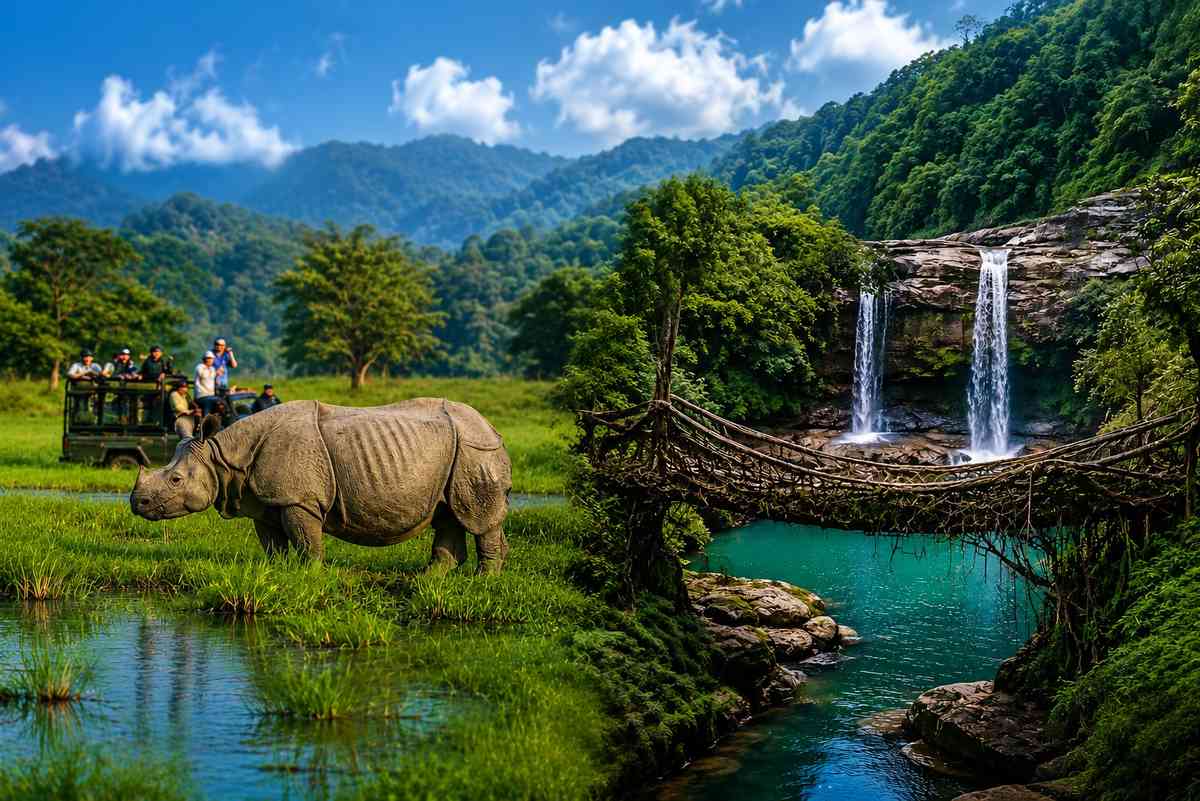
- Root bridge village: Nongriat, home to a double-decker bridge grown from the roots of Ficus elastica.
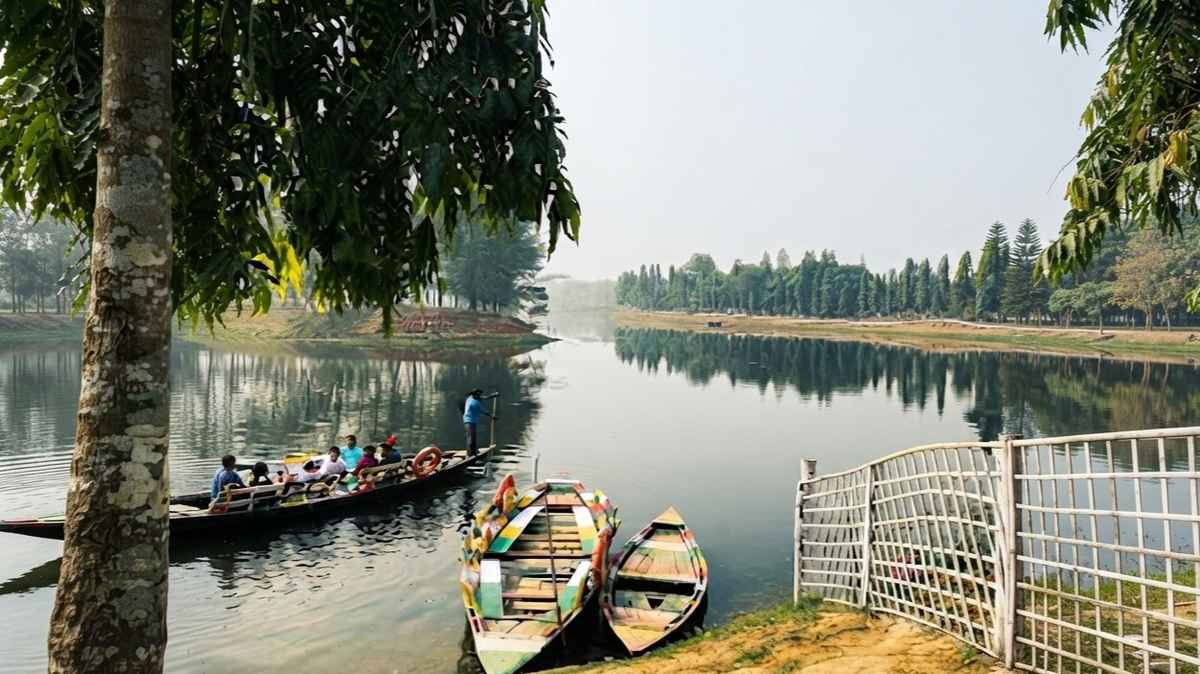
- River village: Shnongpdeng, 8 km north of Dawki in West Jaintia Hills.
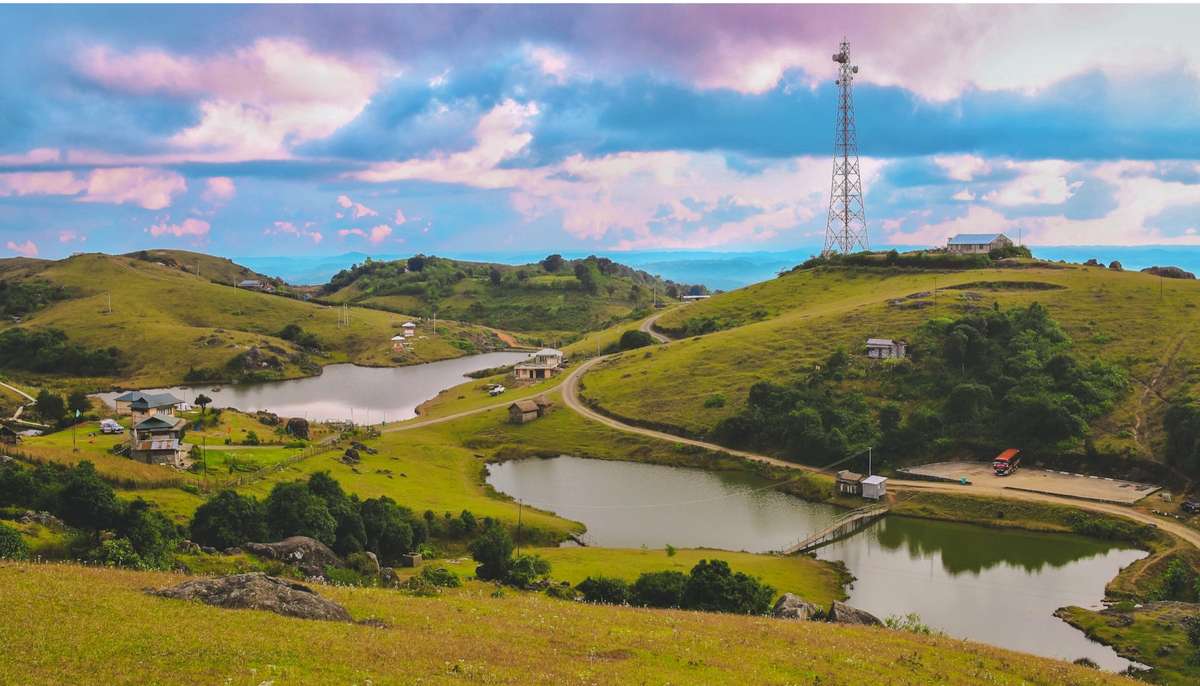
- Sacred forest village: Mawphlang, 25 km from Shillong, winner of a 2024 Heritage category tourism village award.
Meghalaya Villages at a Glance
Village
Main attraction
Region
Distance from Shillong
Best for
Recommended time
Kongthong
Whistled names
East Khasi Hills
about 52 to 65 km
Cultural experiences
1 day
Mawlynnong
Clean village, root bridge
East Khasi Hills
about 78 to 90 km
Village tourism
1 day
Nongriat
Double-decker living root bridge
East Khasi Hills
about 65 km (via Tyrna)
Trekking
1 day
Shnongpdeng
Umngot River
West Jaintia Hills
about 90 km
Adventure
2 days
Mawphlang
Sacred forest
East Khasi Hills
about 25 km
Nature and culture
Half day
Kongthong: The Whistling Village
- Where: Khat-ar-shnong valley, East Khasi Hills, about 60 km from Shillong per Incredible India; other sources give 52 to 65 km.
- Size: 567 residents in 109 households in Census of India 2011 data. Recent media reports, such as Outlook Traveller, cite about 750 residents.
- Elevation: about 1,530 m, per Wikipedia.
- Meaning: Incredible India describes jingrwai iawbei as a traditional tune sung in reverence of the village’s ancestors. Researcher Piyashi Dutta explains it as a melody sung in respect of the clan’s root ancestress (iawbei), with matrilineal implications, as quoted on Wikipedia from Dutta and Kikhi’s 2016 study in Sociological Bulletin.
- Three names: each person has an official name, a whistled tune composed by the mother, and an everyday nickname, per Incredible India.
- Wider recognition: India’s entry for the UNWTO Best Tourism Villages award in 2021, per Wikipedia.
Mawlynnong: The Cleanest Village in Asia
- Where: East Khasi Hills, about 90 km from Shillong per Culture Trip, roughly three hours by car per Arab News.
- Sunday rule: since January 2026 the village council has closed Mawlynnong to day tourists on Sundays, per India Today NE. It stays open Monday to Saturday, and overnight guests in homestays are exempt.
- Daily habits: cone-shaped bamboo bins, daily upkeep and a weekly Saturday community clean-up, per Arab News. Plastic and smoking are banned, per The National.
- Community: about 500 residents; the village council head told Arab News that 70 percent now work in tourism-related business.
- Nearby: a living root bridge, per Outlook India, and the Church of the Epiphany, built in 1902.
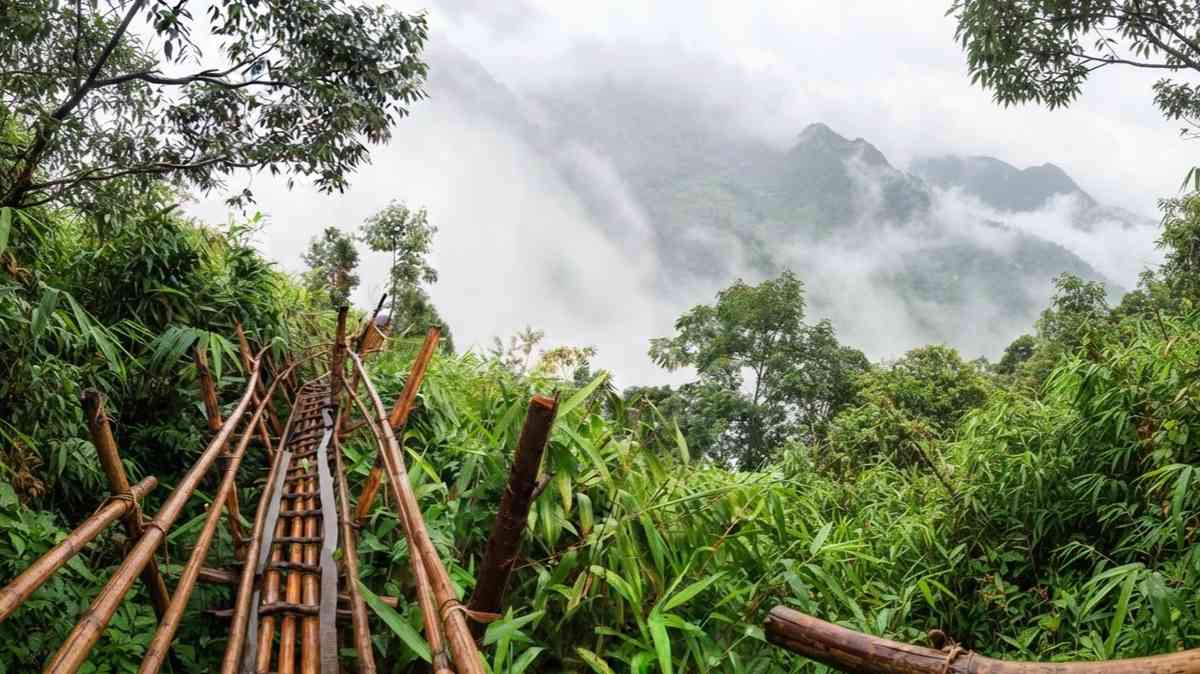
Nongriat: Home of the Double-Decker Living Root Bridge
- How many root bridges exist: the 2019 pilot study inventoried the bridges of the Khasi and Jaintia Hills. Smithsonian reports 76 bridges, Atlas Obscura says 74, and a co-author notes the list is not exhaustive.
- Age: the double-decker is roughly 200 years old per Smithsonian; other accounts, such as Hyperallergic, say up to 250 years. The first known written record dates to 1844.
- The trek: Meghalaya Tourism cites about 3,500 steps down from Tyrna, while Lonely Planet cites 2,600 steps down and 500 up. Plan a full day.
- Nearby: a single-decker root bridge, Rainbow Falls and the Mawsaw root bridge with natural pools.
- Other bridge villages: Nongblai has more than a dozen living root bridges per Smithsonian, and Mawlynnong has one near the village.
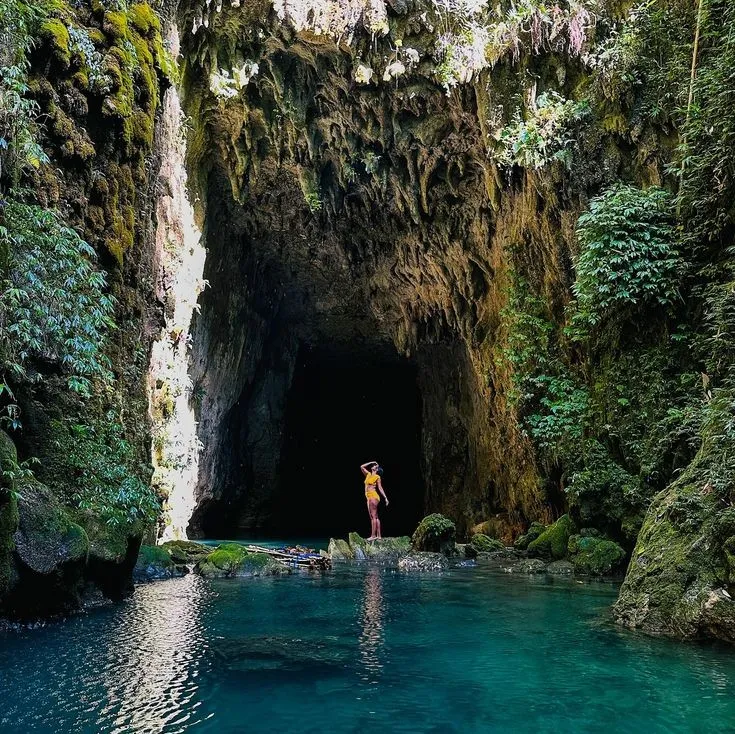
Shnongpdeng: The Village on the Crystal-Clear Umngot River
- Where: West Jaintia Hills, about 90 km from Shillong, a three-hour drive per Tripoto.
- Community: a 2018 report in Nezine counted about 125 families and 14 homestays. These are dated figures and have likely grown since.
- Things to do: boat rides, kayaking, snorkelling, cliff jumping and riverside camping, per Tripoto, plus a suspension bridge with views of the river bed.
- Nearby: Dawki, Darrang, and a guided trek to Kudengrim village for living root bridges and waterfalls, per Meghalaya Tourism.
Mawphlang: The Sacred Forest Village
- Size of the forest: surveys put the grove at about 75 hectares, roughly 185 acres, in a North-Eastern Hill University study, in Kalpavriksh’s review and in the Khasi Hills Autonomous District Council’s grove list. BirdLife International lists 100 hectares for the wider Important Bird Area, and some travel articles quote 193 acres.
- Keepers and belief: the forest is protected by the Lyngdoh clan and believed to be home to the deity Labasa, per Outlook India.
- The rule: nothing may be taken out of the grove, not even a leaf or a stone, per Culture Trip.
- Biodiversity: the grove is a confirmed Key Biodiversity Area.
- Context: the Khasi Hills have more than 50 sacred forests, per Incredible India.
- Nearby: the Khasi Heritage Village and the David Scott Trail, and an annual Monolith Festival, per Outlook Traveller.
Other Beautiful Offbeat Villages in Meghalaya
- Laitkynsew: a quiet village near Cherrapunji with open landscapes and a slow rural pace, per Chal Banjare.
- Aminda Rangsa: a Garo Hills village described by WanderOn as an open-air art gallery, with murals, sculptures and handicrafts.
- Kudengrim: reached on a guided trek from the Umngot area and known for living root bridges and waterfalls, per Meghalaya Tourism.
- Darrang: one of two resort villages on the Umngot per Meghalaya Tourism, described by WanderOn as quieter than Shnongpdeng, with riverside homestays.
Best Time to Visit Meghalaya’s Villages
How to Reach Meghalaya’s Villages -- By air: Guwahati’s Lokpriya Gopinath Bordoloi International Airport serves the wider region. Shillong airport is about 50 km from Mawphlang, per Incredible India.
- By rail: Guwahati is the main station, about 172 km from Mawlynnong per TravelTriangle and 173 km from Shnongpdeng per Meghalaya Tourism.
- By road from Shillong: Mawphlang takes under an hour per Culture Trip, Mawlynnong about three hours per Arab News, and Shnongpdeng about three hours per Tripoto.
- Kongthong: hire a private taxi from Shillong, per Outlook Traveller.
- Nongriat: reach Tyrna by bus or cab, per Trawell, then trek down.
Where to Stay: Homestays and Local Experiences
- Kongthong: a few homestay options, including bamboo cottages, per Outlook Traveller.
- Mawlynnong: family-run homestays; one host told Arab News she charges about INR 1,500 per day, and overnight guests can visit on Sundays.
- Shnongpdeng and Darrang: riverside camps and family-run homestays, per WanderOn.
- Local experiences: storytelling, folk music and dance in Kongthong per Meghalaya Tourism, and the Monolith Festival near Mawphlang per Outlook Traveller.
Responsible Tourism: How to Visit Respectfully
- Respect closure days. Mawlynnong does not admit day visitors on Sundays, a decision of its village council.
- Avoid peak crowds. Saturdays can bring up to 1,000 visitors to a village of about 600, per Outlook Traveller; weekdays are kinder to residents.
- Carry out your waste. Mawlynnong bans plastic and smoking, per The National, and neighbours report that tourist vehicles sometimes leave waste on the roadside, per Finestre sull’Arte.
- Take nothing from sacred forests. In Mawphlang, nothing leaves the grove, not even a leaf.
- Ask before recording. In Kongthong, the whistled tunes are family identities, so ask before filming anyone.
- Pay locals directly. Use community guides, homestays and camps so tourism income reaches families.
FAQs About Meghalaya Villages
1. Are Meghalaya’s villages worth visiting?
Yes. Meghalaya’s villages offer experiences ranging from Khasi cultural traditions and sacred forests to living root bridges, river activities and community homestays.
2. Which is the whistling village in Meghalaya?
Kongthong in East Khasi Hills. Each villager has a personal whistled tune, called jingrwai iawbei, composed by the mother.
3. Which is the cleanest village in Meghalaya and Asia?
Mawlynnong in East Khasi Hills, named Asia’s cleanest village by Discover India magazine in 2003. It is a magazine title rather than an official ranking.
4. Where is the double-decker living root bridge?
Near Nongriat village in East Khasi Hills, reached by trekking down from Tyrna village.
5. Which village in Meghalaya is famous for its living root bridges?
Nongriat is famous for its double-decker living root bridge, while Mawlynnong and other Khasi villages also have living root bridges.
6. Which Meghalaya village has the clearest river?
Shnongpdeng, on the Umngot River in West Jaintia Hills, about 8 km from Dawki.
7. Which village in Meghalaya is best for a homestay?
Kongthong, Mawlynnong and Shnongpdeng are popular choices for travellers looking for village homestays and community-based tourism.
8. Which villages in Meghalaya can be visited from Shillong?
Mawphlang, Kongthong, Mawlynnong and Nongriat can all be visited from Shillong, although travel times and trekking requirements differ.
9. Can I visit Mawlynnong on a Sunday?
Only as an overnight guest. Since January 2026 the village has been closed to day visitors on Sundays.
10. What is the best time to visit Meghalaya’s villages?
October to April for most villages, and winter for the clearest water at Shnongpdeng.
11. How many days do I need?
As a rough guide, two to three days cover Mawlynnong, Nongriat and either Kongthong or Mawphlang from Shillong. Add at least two more days for Shnongpdeng and Dawki.