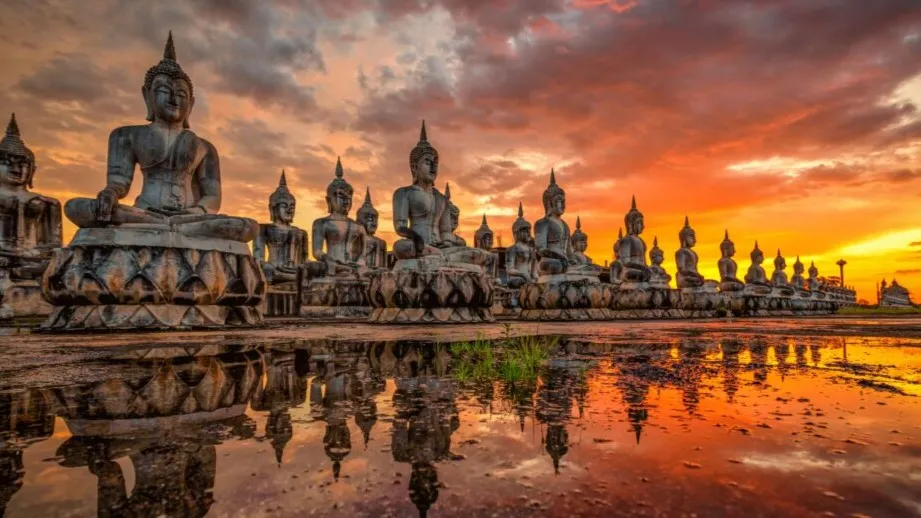
Thailand is a country you experience through its vibrant culture, beautiful landscapes, delicious food and warm hospitality. From the golden temples of Bangkok to the peaceful mountains of Chiang Mai and the turquoise beaches of Phuket and Krabi, Thailand offers something for every traveller.
Whether you are interested in exploring ancient traditions, tasting authentic Thai cuisine or discovering beautiful tourist destinations, Thailand promises an unforgettable travel experience.
What is Thailand famous for?
Thailand is famous for its Buddhist heritage, tropical beaches, traditional Thai food, colourful festivals, historic temples and welcoming hospitality. Some of its most popular destinations include Bangkok, Chiang Mai,Pattaya, Phuket, Krabi and Ayutthaya.
This Thailand travel guide explores the country’s rich culture, seven traditional Thai foods you must try, five recommended places to visit and essential travel tips for planning your first trip.
Discover the Rich Culture and Traditions of Thailand
Thai culture is deeply influenced by Theravada Buddhism, royal heritage, regional traditions and a strong sense of community. Respect, politeness, hospitality and maintaining harmony are important aspects of everyday Thai life.
Understanding local customs can make your journey more meaningful and help you connect with the people and traditions of Thailand.
1. Thai Religion and Buddhist Heritage
Theravada Buddhism is the predominant religious tradition in Thailand, with approximately 93% of the population identifying as Buddhist.
Its influence can be seen throughout the country in beautiful temples, religious festivals, traditional ceremonies and everyday practices.
Thai temples, known as wats, are important religious and community spaces. Visitors can admire their golden architecture, intricate decorations and peaceful surroundings.
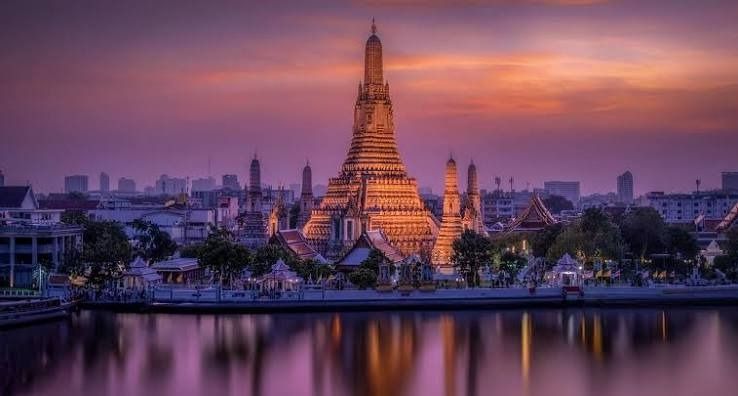
Some famous temples include Wat Arun and Wat Pho in Bangkok and Wat Phra That Doi Suthep in Chiang Mai.
When visiting temples, dress modestly, cover your shoulders and knees, and remove your shoes before entering designated religious buildings.
2. Traditional Thai Clothing and Customs
Traditional Thai clothing reflects the country’s history, craftsmanship and cultural identity.
One of the best-known traditional outfits is chut thai, often worn during weddings, festivals, formal ceremonies and cultural celebrations. It is recognised for its elegant fabrics, beautiful silk designs and traditional patterns.
Another important Thai custom is the wai, a traditional greeting performed by placing the palms together near the chest or face and slightly bowing the head.
The wai is a sign of respect, gratitude and politeness. Visitors may also return a wai when appropriate, accompanied by a friendly smile.
3. Famous Thai Festivals and CelebrationsThailand celebrates several colourful festivals throughout the year. These events offer visitors an opportunity to experience the country’s traditions, religious beliefs and community spirit.
Songkran Festival (13–15 April) -
Songkran marks the traditional Thai New Year. It is famous for its nationwide water celebrations, where people splash water on one another in a joyful atmosphere.
Beyond the water fights, Songkran has a deeper cultural meaning. People visit temples, make offerings and gently pour water over elders’ hands to show respect and receive blessings.
Loy Krathong Festival (usually November) -
It is celebrated on the full moon of the twelfth month in the traditional Thai lunar calendar.
People release small decorated floating baskets, called krathongs, onto rivers and lakes as a symbolic gesture of letting go of negativity and paying respect to the water.
In Chiang Mai, Loy Krathong celebrations take place around the same period as Yi Peng, a festival known for its illuminated lantern displays.
Visakha Bucha and Makha Bucha -
These are important Buddhist religious observances. They are marked by temple visits, prayers, meditation and candlelit processions.
4. Thai Lifestyle and Hospitality
Thailand is often called the "Land of Smiles" because of its reputation for friendly hospitality.
Thai social culture places importance on politeness, patience and maintaining harmony. The expression jai yen, meaning a cool or calm heart, reflects the value placed on staying composed in difficult situations.
Traditional Thai dance and music are also important parts of the country’s cultural heritage. Classical performances such as khon, a masked dance-drama, showcase elaborate costumes, graceful movements and traditional storytelling.
Experiencing local festivals, cultural performances and traditional markets is a wonderful way to understand Thai lifestyle.
7 Traditional Thai Foods You Must Try
Thai cuisine is famous around the world for its combination of sweet, sour, salty, spicy and sometimes bitter flavours.
Fresh ingredients such as lemongrass, galangal, Thai basil, chillies, coconut milk and makrut lime leaves create the distinctive taste of traditional Thai dishes.
Food is an important part of Thai culture, and sharing several dishes is a common way to enjoy a meal with family and friends.
Here are seven famous traditional Thai foods worth trying during your visit.
1. Pad Thai
- Pad Thai is one of Thailand’s most internationally recognised dishes.
- It is a stir-fried noodle dish made with rice noodles, egg, tofu or shrimp, bean sprouts, crushed peanuts and tamarind-based sauce.
- A squeeze of fresh lime adds a delicious tangy flavour, while chilli flakes provide extra heat for those who enjoy spicy food.
- You can find Pad Thai at street-food stalls, local restaurants and food markets throughout Thailand.
2. Tom Yum Goong
- Tom Yum Goong is a famous Thai hot and sour prawn soup.
- It is prepared with prawns, lemongrass, galangal, makrut lime leaves, chillies and other aromatic ingredients.
- The soup is known for its refreshing fragrance and bold combination of spicy and sour flavours.
- Some versions are clear, while others include evaporated milk or other ingredients to create a creamier texture.
- It is a must-try dish for travellers who enjoy flavourful soups.
3. Green Curry
- Thai Green Curry, known locally as Gaeng Keow Wan, is a popular coconut-based curry.
- It is traditionally prepared with green curry paste, coconut milk, meat such as chicken, vegetables and Thai basil.
- Despite its mild-looking green colour, the curry can be quite spicy because of its fresh green chillies.
- It is usually served with steamed jasmine rice and is one of the best dishes for experiencing traditional Thai curry flavours.
4. Som Tam
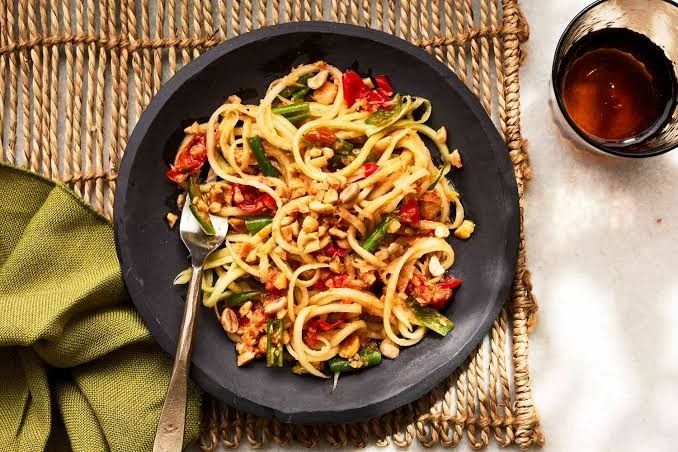
- Som Tam is a popular green papaya salad that originated in the Isaan region of northeastern Thailand.
- It is made by pounding shredded unripe papaya with ingredients such as garlic, chillies, lime juice, fish sauce and peanuts.
- The result is a refreshing combination of crunchy texture, sourness, sweetness and spicy flavour.
- Som Tam is commonly served with grilled chicken and sticky rice.
- If you prefer less spice, ask for mai phet, meaning not spicy.
5. Mango Sticky Rice
- Mango Sticky Rice, known as Khao Niao Mamuang, is one of Thailand’s most popular desserts.
- It combines sweet sticky rice cooked with coconut milk and fresh slices of ripe mango.
- The creamy coconut flavour complements the natural sweetness of the mango, creating a simple but delicious dessert.
- It is especially popular during mango season, which generally falls between April and June.
6. Pad See Ew
- Pad See Ew is a popular Thai noodle dish prepared with wide rice noodles, egg, soy sauce and Chinese broccoli.
- The noodles are stir-fried over high heat, giving them a slightly smoky flavour.
- Unlike some spicy Thai dishes, Pad See Ew is generally mild and savoury, making it a good option for travellers who prefer less heat.
7. Massaman Curry
- Massaman Curry is a rich and aromatic Thai curry influenced by Muslim culinary traditions and historical trading connections.
- It commonly contains beef or chicken, potatoes, peanuts, coconut milk and spices such as cinnamon and cardamom.
- Compared with many other Thai curries, Massaman Curry is generally milder and has a slightly sweet, rich flavour.
- It is usually served with steamed rice and is a wonderful example of the diverse influences behind Thai cuisine.
Explore Thai Street Food and Regional Specialties
Thai street food is an essential part of the country’s food culture. From busy night markets to small family-run stalls, travellers can discover a wide variety of traditional dishes.
Thai cuisine also differs across regions:
Region
Popular food
What makes it special
Northern Thailand
Khao Soi
Coconut-based curry noodle soup
Northern Thailand
Sai Oua
Herb-filled grilled sausage
Northeastern Thailand
Larb
Minced meat salad with herbs and toasted rice
Central Thailand
Boat Noodles
Rich and flavourful noodle soup
Southern Thailand
Gaeng Tai Pla
Strongly flavoured and spicy fish curry
Northern Thai food often features rich, aromatic dishes, while northeastern cuisine is known for bold, spicy and tangy flavours. Southern Thai cooking frequently uses seafood, fresh herbs and intensely flavoured curries.
For a more immersive food experience, consider joining a traditional Thai cooking class in Bangkok or Chiang Mai. Many classes include a local market visit where you can learn about ingredients and cooking techniques.
Top 5 Best Places to Visit in Thailand
Thailand offers an exciting combination of modern cities, ancient temples, mountain landscapes and tropical beaches.
If you are visiting Thailand for the first time, these five destinations provide a wonderful introduction to the country’s culture, history and natural beauty.
1. Bangkok – Explore the Cultural Heart of Thailand
Bangkok, the capital of Thailand, is a lively city where traditional culture meets modern urban life.
It is famous for its beautiful temples, colourful markets, shopping centres, street food and exciting nightlife.
One of the city’s most important attractions is the Grand Palace, a historic royal complex built in 1782. It includes Wat Phra Kaew, which houses the revered Emerald Buddha.
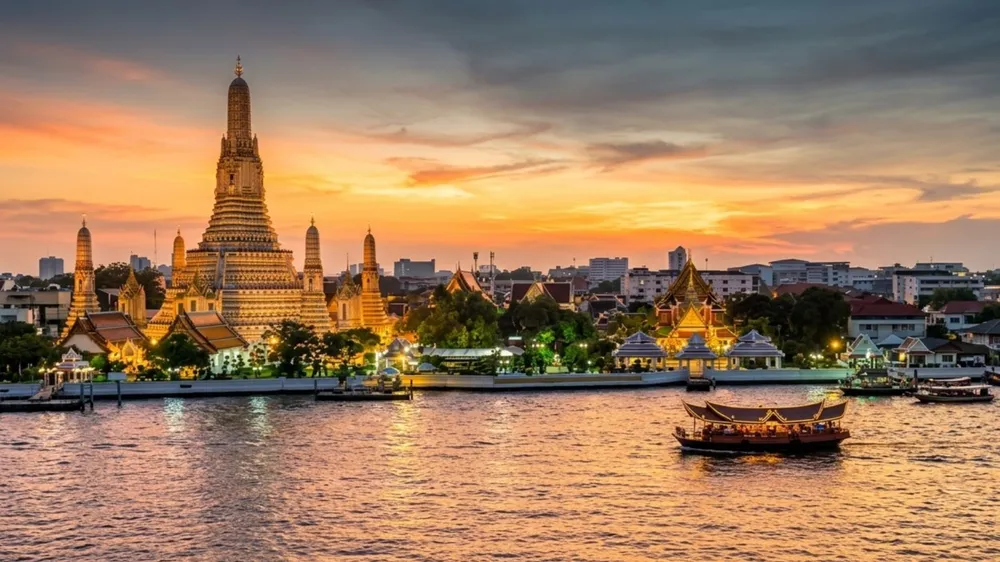
Another must-visit attraction is Wat Arun, also known as the Temple of Dawn. Located beside the Chao Phraya River, it is particularly beautiful when illuminated around sunset.
You should also visit Wat Pho, famous for its enormous Reclining Buddha and its historical connection with traditional Thai massage.
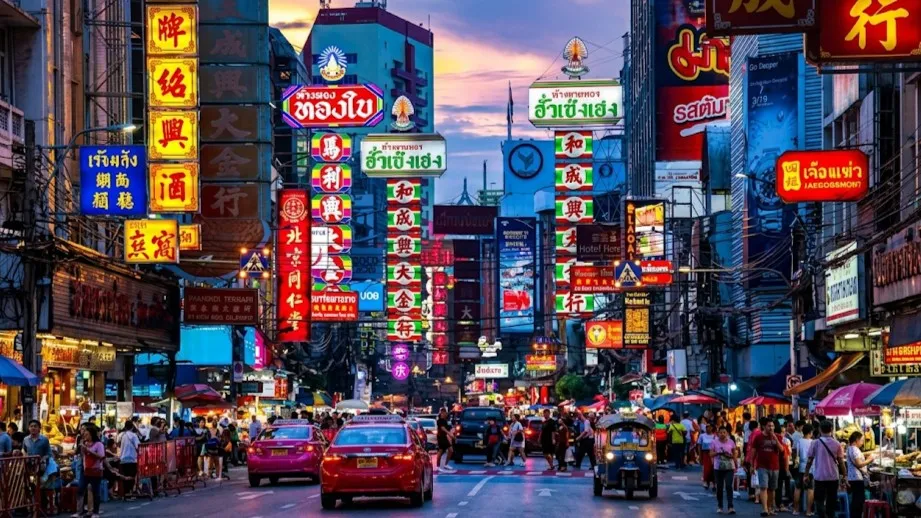
For shopping and local experiences, explore Chatuchak Weekend Market and the busy streets of Yaowarat, Bangkok’s Chinatown.
Best experiences in Bangkok:
- Visit the Grand Palace and Wat Phra Kaew.
- Admire the architecture of Wat Arun.
- Explore traditional floating markets.
- Discover Bangkok’s street-food culture.
- Shop at Chatuchak Weekend Market.
- Enjoy an evening along the Chao Phraya River.
Bangkok is an excellent starting point for travellers who want to understand Thai culture and experience the country’s energetic lifestyle.
2. Chiang Mai – Experience Traditional Thai Culture
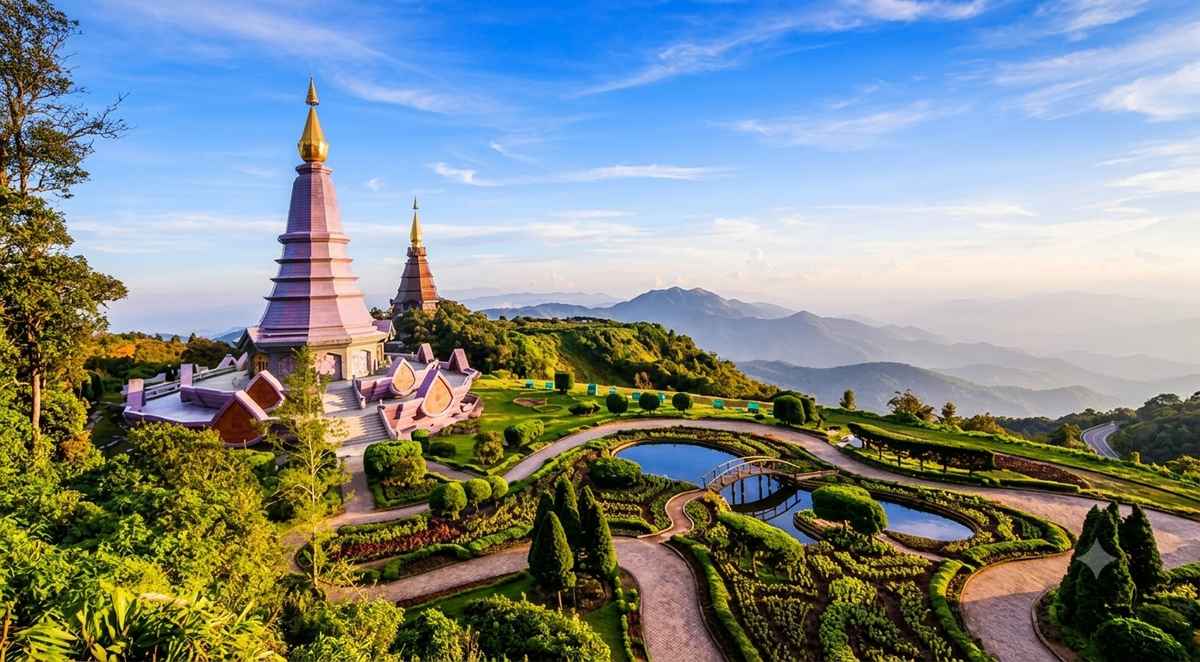
Chiang Mai is located in northern Thailand and is known for its peaceful atmosphere, historic temples, mountain scenery and traditional Lanna culture.
Founded in 1296, it was once the capital of the Lanna Kingdom.
The city’s Old City is filled with historic temples, traditional architecture, local markets and charming streets.
One of the most famous attractions is Wat Phra That Doi Suthep, a beautiful Buddhist temple situated on a mountain overlooking Chiang Mai.
Visitors can enjoy panoramic views of the surrounding valley while exploring the temple’s golden decorations and religious architecture.
Chiang Mai is also famous for its Night Bazaar, traditional handicrafts and local cuisine. Do not leave without trying Khao Soi, a delicious Northern Thai coconut curry noodle soup.
Best experiences in Chiang Mai:
- Explore the historic Old City.
- Visit Wat Phra That Doi Suthep.
- Explore the Night Bazaar.
- Try traditional Khao Soi.
- Join a Thai cooking class.
- Discover local handicraft villages.
- Visit responsible elephant sanctuaries that prioritise observation and animal welfare.
Chiang Mai is an excellent destination for travellers interested in traditional Thai culture, nature and relaxing experiences.
3. Phuket – Discover Tropical Beaches and Island Life
Phuket, Thailand’s largest island, is famous for its beautiful beaches, turquoise waters, island excursions and lively tourist atmosphere.
It is one of the country’s most popular beach destinations and attracts travellers from around the world.
Patong Beach is known for its lively nightlife, restaurants and water activities.
Karon Beach offers a more relaxed coastal atmosphere and is popular with families and beach lovers.
Kata Beach is another beautiful destination, especially for swimming and surfing during suitable sea conditions.
Beyond its beaches, Phuket also has a fascinating cultural side. Explore Phuket Old Town, where colourful Sino-Portuguese buildings, traditional shophouses, cafes and art galleries create a charming atmosphere.
Visitors can also take boat trips to nearby islands, enjoy snorkelling and diving, or explore local seafood restaurants.
Best experiences in Phuket:
- Relax at Patong, Karon and Kata beaches.
- Explore Phuket Old Town.
- Take an island-hopping tour.
- Enjoy snorkelling and diving.
- Try traditional Thai seafood.
- Visit viewpoints overlooking the coastline.
Phuket is ideal for travellers who want a combination of beach relaxation, adventure, shopping and nightlife.
4. Krabi – Enjoy Nature, Beaches and Adventure
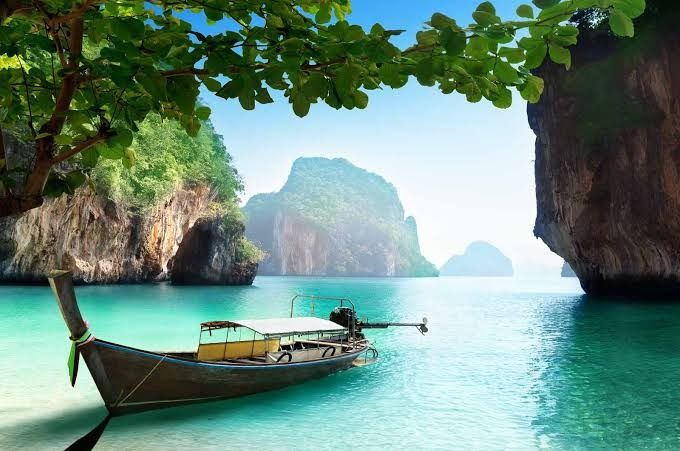
Krabi is a beautiful coastal province in southern Thailand, famous for its dramatic limestone cliffs, clear waters, peaceful beaches and tropical islands.
One of its most iconic destinations is Railay Beach, which is accessible by boat because of the surrounding limestone landscape.
Railay is particularly popular for rock climbing, kayaking and relaxing beside the sea.
Visitors can also explore the Hong Islands and the famous Four Islands area through organised boat excursions.
For nature lovers, Krabi offers attractions such as the Emerald Pool, where visitors can enjoy beautiful forest surroundings and natural pools.
Best experiences in Krabi:
- Visit Railay Beach.
- Explore the Hong Islands.
- Enjoy island-hopping excursions.
- Try kayaking and snorkelling.
- Experience rock climbing.
- Discover the Emerald Pool and surrounding natural attractions.
Krabi is an excellent destination for travellers seeking natural beauty, outdoor activities and peaceful coastal experiences.
5. Ayutthaya – Explore Ancient Thai History
Ayutthaya is one of Thailand’s most important historical destinations.
Located north of Bangkok, it was the second capital of the Siamese Kingdom. Founded around 1350, it flourished for centuries before being destroyed by Burmese forces in 1767.
Today, the historic ruins form the UNESCO-listed Historic City of Ayutthaya World Heritage Site.
The destination is famous for ancient temples, historic monuments, enormous Buddha statues and impressive stone architecture.
One of its most recognisable attractions is Wat Mahathat, known for the Buddha head surrounded by tree roots.
Another remarkable attraction is Wat Chaiwatthanaram, a beautiful historic temple complex that is especially photogenic in the late afternoon.
Visitors can explore the historic park by bicycle, visit ancient temples and learn about Thailand’s royal history.
Best experiences in Ayutthaya:
- Explore Ayutthaya Historical Park.
- Visit Wat Mahathat.
- Discover Wat Chaiwatthanaram.
- Admire ancient Buddha statues.
- Explore the historic city by bicycle.
- Learn about the history of the former Siamese capital.
Ayutthaya is perfect for history lovers and travellers interested in understanding Thailand’s rich cultural heritage.
What is the Best Time to Visit Thailand?
November to February is generally one of the most comfortable periods for exploring Bangkok, Chiang Mai and northern Thailand because temperatures are usually cooler and conditions are often drier.
However, weather conditions vary across the country, especially between the Andaman coast and the Gulf of Thailand.
Here is a general seasonal guide:
Cool and Dry Season (November–February)
This is a popular period for sightseeing, exploring temples and visiting northern Thailand. It is also a busy travel season, so booking accommodation and flights in advance is recommended.
Hot Season (March–May)
Temperatures can become very high, especially in inland destinations. April is particularly special because of the Songkran New Year celebrations.
Rainy Season (June–October)
Rain showers are common, but the countryside becomes greener and some destinations experience fewer visitors. Sea conditions can also become rough, particularly along parts of the Andaman coast.
Best Time for Phuket and Krabi -
November to April is generally a favourable period for beach holidays along the Andaman coast, although local weather and sea conditions can vary.
The Gulf of Thailand has a different rainfall pattern, so travellers visiting islands in that region should check destination-specific forecasts before booking.
Estimated Thailand Travel Budget
Thailand offers travel experiences for different budgets, from affordable guesthouses and street food to luxury hotels and fine dining.
Your overall travel expenses depend on your accommodation, transport, activities, travel season and destination.
Consider these main expenses when planning your trip:
1. Accommodation
Thailand has budget hostels, guesthouses, boutique hotels and luxury resorts. Bangkok, Chiang Mai and the southern beach destinations offer a wide range of options.
2. Food and Drinks
Street food and local restaurants can be economical, while international restaurants and upscale dining options generally cost more.
3. Transportation
Travellers can use public transport, taxis, ride-hailing services, trains, buses, domestic flights and ferries depending on the destination.
4. Sightseeing and Activities
Budget for temple visits, historical attractions, island tours, cooking classes and adventure activities.
5. Shopping and Personal Expenses
Night markets, handicraft shops, souvenirs and local products are popular shopping options.
Thailand Visa Rules for Indian Travellers (2026)
Last updated: November 2026. Rules change often, so check the Thai Ministry of Foreign Affairs before you book.
Indian passport holders can enter Thailand visa-free for tourism, for up to 30 days per entry (reduced from 60 days since 15 September 2026). There is no visa fee and no need for a visa on arrival. Working in Thailand on this entry is illegal. To stay longer, apply for a one-time 30-day extension at a Thai immigration office before your stamp expires (about 1,900 THB).
Carry these documents:
- Passport valid for at least 6 months
- Thailand Digital Arrival Card (TDAC), submitted online up to 72 hours before landing. It is free, so avoid third-party sites that charge fees.
- Return or onward flight within 30 days
- Hotel bookings for your stay
- Proof of funds: Officers may ask for at least 20,000 THB per person (40,000 THB per family) in cash. Carry some cash in THB, USD or INR.
Thailand at a Glance
If you are visiting Thailand for the first time, understanding a few local customs and practical travel rules can make your journey smoother.
1. Currency
The official currency of Thailand is the Thai Baht (THB).
Carry some cash for street-food stalls, small shops and local markets. Cards are accepted in many hotels, shopping centres and larger restaurants, but cash remains useful.
2. Language
Thai is the official language of Thailand.
English is commonly understood in many tourist areas, hotels and popular attractions. Learning a few basic Thai expressions can make interactions more enjoyable.
- Sawasdee – Hello.
- Khop khun – Thank you.
- Mai phet – Not spicy.
3. Temple Dress Code
When visiting Buddhist temples, dress respectfully.
Cover your shoulders and knees, remove your shoes before entering designated temple buildings and follow the instructions displayed at religious sites.
4. Respect Local Customs
Thai culture places importance on respect and politeness.
Avoid touching someone’s head, pointing your feet towards people or Buddha images, and behaving disrespectfully inside temples.
Visitors should also be aware of Thailand’s strict laws concerning the monarchy and avoid disrespectful behaviour.
5. Transportation
Bangkok has useful public transport systems, including the BTS Skytrain and MRT.
For local journeys, travellers can use taxis and ride-hailing services. Trains, buses and domestic flights are useful for travelling between major cities, while ferries and boats connect many islands and coastal destinations.
6. Avoid Common Tourist Scams
Be cautious of strangers offering unusually cheap tours or claiming that popular attractions are closed.
Check official entrance information, agree on taxi fares where meters are not used and book activities through reputable operators.
7. Respect Wildlife
Choose responsible wildlife experiences that prioritise animal welfare.
Avoid attractions involving elephant riding or activities that cause unnecessary stress to animals. Research animal sanctuaries carefully before visiting.
Frequently Asked Questions About Thailand
1. What is Thailand most famous for?
Thailand is famous for its Buddhist temples, tropical beaches, traditional cuisine, colourful festivals, historic attractions and welcoming hospitality.
2. What are the top 5 tourist destinations in Thailand?
Five recommended destinations are Bangkok, Chiang Mai, Phuket, Krabi and Ayutthaya. Together, they offer a combination of cultural experiences, historical attractions, mountain scenery and beautiful beaches.
3. What is the traditional food of Thailand?
Popular traditional Thai dishes include Pad Thai, Tom Yum Goong, Green Curry, Som Tam, Pad See Ew, Massaman Curry and Mango Sticky Rice.
4. What are the most famous Thai cultural traditions?
Some well-known Thai traditions include the wai greeting, Buddhist temple ceremonies, Songkran celebrations, Loy Krathong, traditional Thai dance and respect for elders.
5. What is the best month to visit Thailand?
November to February is generally comfortable for visiting Bangkok and northern Thailand. Phuket and Krabi are often favourable from November to April. The best month depends on your chosen destination and weather preferences.
6. Is Thailand suitable for first-time travellers?
Yes. Thailand is a popular destination for first-time international travellers because it offers established tourism infrastructure, a wide range of accommodation, diverse attractions and many transport options.
7. How many days are enough to explore Thailand?
Around 10–14 days is a useful starting point for exploring several major destinations. A seven-day trip can also be enjoyable if you focus on two destinations rather than trying to cover the whole country.
8. What should tourists avoid doing in Thailand?
Visitors should avoid disrespecting the monarchy or Buddha images, touching people’s heads, pointing their feet at religious objects, dressing inappropriately at temples and supporting unethical wildlife tourism.
Conclusion: Experience the Beauty of Thailand
Thailand is a destination where culture, food, history and natural beauty come together to create unforgettable travel experiences.
From exploring the magnificent temples of Bangkok and the traditional streets of Chiang Mai to relaxing on the tropical beaches of Phuket and Krabi, every destination offers something unique.
History lovers can discover the ancient ruins of Ayutthaya, while food enthusiasts can enjoy everything from Pad Thai and Tom Yum Goong to delicious mango sticky rice.
Whether you are planning a short holiday or an extended adventure, Thailand offers countless opportunities to discover new experiences and create lasting memories.
Ready to explore Thailand? Start planning your journey, discover its traditional food, experience its cultural festivals and explore its beautiful destinations.
Which Thai destination would you love to visit first, or which traditional Thai dish would you like to try? Share your thoughts and travel experiences in the comments below.