

Explore nagaland's Hidden Gems
Discover handpicked destinations across nagaland India
Explore nagaland Tour Packages for Couples,Families and Solo Travellers


Why Choose Encamp for Your nagaland Trip?
Why Nagaland Should Be Your Next Trip (Mark as H2)
Nagaland is one of India’s most authentic and least-explored destinations, offering a travel experience shaped by tribal heritage, unspoilt landscapes and strong community values. Ideal for travellers seeking culture, nature and meaningful journeys, the state delivers depth and authenticity rather than crowded sightseeing.
If you're planning your next big escape, here’s why Nagaland deserves to top your list:
Rich Tribal Heritage: Home to 17 major Naga tribes, each with distinct languages, traditions, attire and folklore, offering deep cultural immersion.
Vibrant Festivals: Events like the Hornbill Festival showcase traditional music, dances, crafts and indigenous sports in an authentic setting.
Untouched Natural Beauty: Rolling hills, dense forests, waterfalls and cloud-covered valleys remain largely free from mass tourism.
Sustainable, Community-Led Travel: Village homestays, local guides and ethical tourism practices support indigenous livelihoods and cultural preservation.
Ideal for Slow Travel: A destination best explored at a relaxed pace, encouraging meaningful connections and mindful experiences.
Unique Local Cuisine: Bold flavours built around smoked meats, fermented ingredients and wild herbs reflect the region’s lifestyle and landscape.
Uncrowded Adventure: Trekking, nature walks, village exploration and photography without the pressure of large tourist crowds.



Conscious Customization
Tailored To Your Ethical Choices
Nature-Based Experiences
Properties with a view and a local touch
Encamp Travel Experience
Trust our Guest-Centric Approach
Value for Money
Good Value For The Price You Pay
Why nagaland Should Be Your Next Trip?
Some places show you new sights. nagaland makes you feel something deeper.
Why Choose Encamp for Your Nagaland Trip
At Encamp Adventures, we don’t just plan itineraries. We curate journeys that immerse you in Bhutan’s soul. Our trips are built around real experiences, local communities, and seamless logistics so you can explore deeply, not just travel widely.
- Local Expertise You Can Trust: Encamp’s team includes guides, drivers and travel planners who know Nagaland’s terrain, culture and communities intimately. Their insights help you uncover authentic experiences that typical tours miss.
- Customisable Itineraries: Whether you’re interested in culture, festivals, nature, trekking or food, Encamp crafts personalised routes that match your pace, interests and budget.
- Comfortable & Sustainable Stays: Encamp selects eco-friendly hotels, heritage homestays and community lodges that reflect Nagaland’s unique spirit and support local livelihoods.
- Seamless Travel Planning: From permits and transport to meals and guides, Encamp handles logistics so you can focus on enjoying your journey without stress.
- Responsible & Ethical Tourism: Encamp prioritises low-impact travel, works closely with tribal communities and ensures your trip supports local economies and cultural preservation.
- 24/7 Support: With dedicated coordinators available throughout your trip, help is just a message or call away, ensuring peace of mind from departure to return.
Choosing Encamp means your Nagaland trip becomes an enriching, respectful and memorable experience rooted in real culture, landscapes and community connection.
Best Places to Visit in Nagaland
From historic hill towns to remote tribal villages and scenic high-altitude valleys, Nagaland offers a diverse mix of cultural and natural attractions. These are some of the most beautiful and meaningful places to include in your Nagaland trip:
- Kohima: The capital city of Nagaland, Kohima is known for its historical importance, hilltop views and cultural landmarks. Visit the Kohima War Cemetery, local markets and nearby villages to understand Naga life and history.
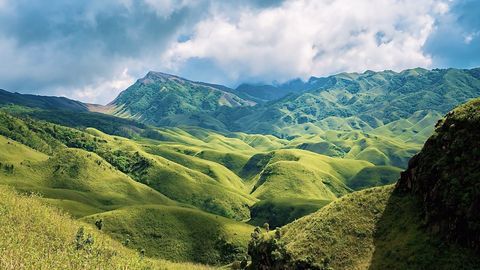
- Dzukou Valley: One of the most scenic valleys in Northeast India, Dzukou Valley is famous for its rolling meadows, seasonal flowers and peaceful trekking routes. It is ideal for nature lovers and adventure seekers.
- Khonoma: India’s first green village, Khonoma is known for its conservation efforts and strong community traditions. Stone houses, terraced fields and village walks make it a model for sustainable tourism.
- Mon: Mon is the cultural heartland of the Konyak tribe, known for their distinctive traditions and historic villages like Longwa. It offers rare insight into tribal customs and borderland life.
- Shilloi Lake: Surrounded by forested hills, Shilloi Lake is a natural freshwater lake steeped in local folklore. It is a quiet stop for travellers seeking scenic beauty and solitude.
- Wokha: Known for its scenic viewpoints and orange orchards, Wokha offers beautiful hill landscapes and access to Lotha tribal villages.
- Mokokchung: Considered the cultural centre of the Ao Naga tribe, Mokokchung is ideal for understanding traditional architecture, festivals and village life.
- Phek: Gateway to Dzukou Valley, Phek is known for its serene environment, village culture and natural beauty.
- Tuensang: Less visited and culturally rich, Tuensang offers an offbeat experience with strong tribal roots and untouched landscapes.
These destinations together showcase Nagaland’s cultural diversity, natural beauty and commitment to preserving its heritage, making them essential stops on any well-planned Nagaland tour itinerary.
Passes of Nagaland
Nagaland’s mountainous terrain is shaped by scenic hill passes that connect remote districts, tribal villages and forested valleys. While the state does not have many officially named high-altitude passes like the western Himalayas, these mountain routes play a vital role in travel, culture and daily life.
Important Mountain Passes and Hill Routes in Nagaland
- Japhefu Region Passes (Kohima–Phek Belt): Located near Mount Japhefu, the second-highest peak in Nagaland, these high hill routes offer panoramic views of rolling valleys and dense forests. They are commonly used by travellers heading towards Dzukou Valley and Phek district.
- Pfutsero Hill Pass: Pfutsero is one of the highest towns in Nagaland, and the surrounding hill passes offer cool temperatures and scenic drives. The route is known for misty landscapes and traditional Angami villages.
- Meluri–Kiphire Hill Route: This remote mountain route connects Meluri with Kiphire district and passes through rugged terrain and forested hills. It is popular among adventure travellers seeking offbeat and less-explored regions of Nagaland.
- Phek District Hill Passes: The roads passing through Phek district act as natural mountain passes, offering access to villages, lakes and trekking routes. These stretches are especially scenic during spring and post-monsoon seasons.
- Tuensang Hill Routes: The hilly passes around Tuensang connect eastern Nagaland’s tribal regions. These roads provide insight into traditional lifestyles and untouched natural surroundings.
Travelling through the mountain passes of Nagaland is not just about reaching a destination. It is about experiencing the state’s raw beauty, isolation and deep connection between people and the land.
Mountain in Nagaland
Nagaland is defined by rugged hills and forested mountains that form part of the Patkai range. These mountains are not only geographical landmarks but also hold cultural, ecological and spiritual significance for local Naga communities.
Major Mountains and Peaks in Nagaland
- Mount Saramati (3,826 m): The highest peak in Nagaland, Mount Saramati lies near the India–Myanmar border in Kiphire district. It is a popular destination for experienced trekkers and is known for its pristine forests, alpine meadows and remote setting.
- Mount Japfu (3,048 m): Located near Kohima, Mount Japfu is the second-highest peak in the state. It is famous for trekking routes and for being home to one of the world’s tallest rhododendron trees.
- Mount Pauna: Situated close to Mount Japfu, this lesser-known peak offers scenic trails and panoramic views of surrounding valleys and villages.
- Kiphire Hills: The mountainous region around Kiphire district forms part of eastern Nagaland’s rugged terrain. These hills are rich in biodiversity and ideal for offbeat exploration and nature-based travel.
- Phek and Kohima Hills: The rolling hills around Phek and Kohima districts define central Nagaland’s landscape, dotted with traditional villages, terraced fields and forest reserves.
Nagaland’s mountains are best explored slowly, with respect for local communities and natural ecosystems. They offer a peaceful alternative to crowded Himalayan destinations and are ideal for travellers seeking raw landscapes and meaningful travel experiences.
The Spiritual Connection
In Nagaland, mountains, forests and natural landscapes are deeply woven into spiritual beliefs and everyday life. Many peaks and hills are regarded as sacred spaces, believed to be protected by ancestral spirits and nature guardians. Instead of conquering nature, local communities practise respect, balance and coexistence with the land.
This spiritual connection shapes how people live, farm and travel across Nagaland. Rituals, folklore and village customs emphasise harmony with nature, which is why many areas remain untouched and preserved. For travellers, this creates a sense of calm and reverence, making journeys through Nagaland not just scenic, but quietly transformative.
Historical Places of Nagaland
Nagaland has a rich and layered history shaped by tribal heritage, colonial encounters and significant wartime events. Its historical places reflect stories of resilience, community identity and cultural continuity rather than grand monuments alone.
Important Historical Places to Visit in Nagaland
- Kohima War Cemetery: One of the most important historical landmarks in Nagaland, this cemetery commemorates soldiers who lost their lives during the Battle of Kohima in World War II. It is a place of remembrance and historical reflection.
- Khonoma: Known for its resistance against British forces, Khonoma is a historic Angami village that symbolises courage and self-rule. Its stone houses, forts and conservation practices preserve centuries-old traditions.
- Kachari Ruins: Located in Dimapur, these ancient monolithic structures date back to the 10th–13th century and are linked to the Kachari kingdom. They represent one of the oldest archaeological sites in Nagaland.
- Longwa: A unique village straddling the India–Myanmar border, Longwa is home to the Konyak tribe. The village reflects traditional governance systems and centuries-old tribal customs.
- Mokokchung: Often regarded as the cultural heart of the Ao Naga tribe, Mokokchung played a key role in the spread of education and Christianity in Nagaland and retains strong historical significance.
- Tuophema: A traditional Angami village preserved as a heritage site, Tuophema offers insight into Naga architecture, lifestyle and historical practices through restored homes and community spaces.
Exploring the historical places of Nagaland allows travellers to understand the state beyond landscapes, offering a deeper appreciation of its people, struggles and enduring traditions.
Best Treks in Nagaland
Nagaland is a rewarding destination for trekking enthusiasts who prefer quiet trails, raw landscapes and cultural depth over crowded routes. Trekking here is closely tied to nature, village life and sustainability, offering immersive experiences guided largely by local communities.
Top Trekking Routes in Nagaland
- Dzukou Valley Trek: The most famous trek in Nagaland, the Dzukou Valley trek is known for its rolling green meadows, seasonal wildflowers and gentle streams. Suitable for beginners and moderate trekkers, it offers breathtaking views and peaceful camping experiences.
- Mount Saramati Trek: This challenging trek leads to the highest peak in Nagaland and is ideal for experienced trekkers. The route passes through dense forests, alpine zones and remote villages, offering a true wilderness experience near the India–Myanmar border.
- Mount Japfu Trek: Located near Kohima, this moderately difficult trek is popular for panoramic views and rhododendron forests. It is also known for hosting one of the world’s tallest rhododendron trees.
- Khonoma Village Trek: A cultural trekking experience that combines short forest trails with village walks. This route offers insight into Angami traditions, terraced farming and conservation-led tourism.
- Dzuleke Trek: A peaceful and less-explored trek leading to Dzuleke village, surrounded by forests and rivers. Ideal for slow travellers looking for nature, birdlife and village hospitality.
Trekking in Nagaland is not about speed or summits alone. It is about connection with the land, respect for local culture and experiencing nature in its most authentic form.
Waterfalls in Nagaland
Nagaland is blessed with numerous waterfalls that flow through forested hills, remote valleys and tribal regions. Most remain untouched by mass tourism, making them perfect for travellers seeking quiet, nature-led experiences.
Beautiful Waterfalls to Visit in Nagaland
- Dzükou Valley Waterfalls: Scattered across the famous Dzükou Valley, these seasonal cascades flow through lush meadows and rocky streams. Best seen after the monsoon, they add to the valley’s serene trekking experience.
- Kiphire District Waterfalls: The mountainous Kiphire region, near the India–Myanmar border, is home to several unnamed but dramatic waterfalls. These falls are surrounded by dense forests and are ideal for offbeat exploration and photography.
- Tuensang Waterfalls: Located in eastern Nagaland, the waterfalls around Tuensang are lesser-known and largely unexplored. They offer a glimpse into pristine landscapes and traditional tribal regions.
- Wokha Waterfalls: Found near Lotha tribal villages, these waterfalls are set amidst rolling hills and forest trails. They are especially scenic during the monsoon and post-monsoon months.
- Phek District Waterfalls: The forested hills of Phek district feature several small but picturesque waterfalls, often accessed through village paths and nature walks.
Waterfalls in Nagaland are best enjoyed with respect for local communities and natural surroundings. Visiting these hidden gems adds a peaceful and refreshing dimension to any Nagaland tour itinerary.
Things to do in Nagaland
Nagaland offers experiences that go beyond sightseeing. The state invites travellers to slow down, engage with local communities and explore nature in its purest form. From scenic valleys to cultural encounters, here are the best things to do in Nagaland:
- Explore the Valleys of Nagaland: The valleys of Nagaland are among its most beautiful natural assets. Dzukou Valley is the most fa mous, known for its rolling green meadows, seasonal wildflowers and peaceful atmosphere. Trekking or camping here offers a deep connection with nature and is ideal for eco-conscious travellers.
- Experience Traditional Village Life: Visit heritage villages like Khonoma, Dzuleke or Tuophema to understand Naga customs, architecture and daily life. Staying in village homestays allows meaningful interactions and supports community-led tourism.
- Attend Cultural Festivals: Witness Nagaland’s vibrant identity through festivals such as the Hornbill Festival. These celebrations feature traditional dances, music, crafts, indigenous sports and local food, offering a living cultural experience.
- Go Trekking and Nature Walking: Apart from Dzukou Valley, treks around Mount Japfu, Mount Saramati and village trails offer scenic routes through forests, hills and farmlands. These routes are largely uncrowded and guided by locals.
- Explore Historical Landmarks: Visit sites like the Kohima War Cemetery to learn about Nagaland’s role in World War II and its colonial history. These places add historical depth to your journey.
- Taste Authentic Naga Cuisine: Try local dishes made with smoked meats, fermented bamboo shoot, wild herbs and chillies. Exploring local food markets and village kitchens is a cultural experience in itself.
- Enjoy Responsible Adventure and Photography: Nagaland’s landscapes, valleys and tribal life make it a rewarding destination for photography, birdwatching and soft adventure, all while following low-impact travel practices.
Things to do in Nagaland are best experienced slowly and respectfully. Whether you are walking through misty valleys, sharing meals with locals or trekking through untouched hills, every activity offers a deeper connection with the land and its people.
Nagaland Festival
Festivals in Nagaland are vibrant reflections of tribal identity, community life and ancestral traditions. Celebrated across villages and towns, these festivals mark agricultural cycles, seasonal change and social harmony. For travellers, they offer an authentic way to experience living culture while supporting community-led and sustainable tourism.
- Hornbill Festival (Kisama Heritage Village): Often called the festival of festivals, the Hornbill Festival brings together Naga tribes on one platform. It features traditional dances, folk music, indigenous sports, crafts and local cuisine, making it the best introduction to Nagaland’s cultural diversity.
- Moatsu Festival (Ao Tribe): Celebrated after the sowing season, Moatsu marks a time of rest and thanksgiving. It includes folk songs, dances and communal feasts, offering insight into agricultural life and community bonding.
- Sekrenyi Festival (Angami Tribe): A purification and renewal festival, Sekrenyi symbolises physical and spiritual cleansing. Traditional rituals, songs and dances highlight the Angami tribe’s deep-rooted beliefs and customs.
- Aoling Festival (Konyak Tribe): Celebrated in Mon district, Aoling marks the arrival of spring and the beginning of the farming season. It is known for warrior dances, traditional attire and ancestral rituals.
- Tuluni Festival (Sumi Tribe): Linked to the harvest season, Tuluni celebrates abundance and unity. Villages come together to share food, music and cultural performances.
Why Experience Festivals in Nagaland
- Witness authentic tribal traditions and rituals
- Support local artisans, performers and communities
- Enjoy cultural celebrations rooted in sustainability and heritage
- Experience Nagaland beyond sightseeing
Attending a festival in Nagaland adds cultural depth to your journey. These celebrations are best enjoyed respectfully, with an openness to learn and engage with local communities.
How to Reach Nagaland
Nagaland is well connected by air, rail and road, with Dimapur serving as the main entry point. Travelling here is straightforward, and most routes offer scenic views of hills and valleys.
By Air
- Dimapur Airport is the only airport in the state.
- Regular flights operate from Kolkata, Delhi (via connections) and Guwahati.
- From Dimapur, Kohima is around 75 km and can be reached by taxi or shared cab.
By Train
- Dimapur Railway Station is the only railhead in Nagaland.
- It is well connected to major cities like Guwahati, Kolkata and New Delhi.
- Taxis and shared vehicles are easily available outside the station.
By Road
- Nagaland is accessible by road from neighbouring states, especially Assam.
- The most common route is Guwahati to Dimapur, followed by onward travel to Kohima, Mokokchung or other districts.
- Roads are mostly scenic but hilly, so travel times can be longer.
Inner Line Permit (ILP)
- Indian travellers require an Inner Line Permit to enter Nagaland.
- ILPs can be obtained online or at designated offices in Dimapur and Kohima.
- Always carry valid ID along with your permit while travelling.
Reaching Nagaland is part of the experience, offering scenic drives and gradual immersion into the region’s landscapes and culture. Many Nagaland tour packages include transfers, permits and local support for a smooth journey.
You can alternatively choose to book Encamp’s Nagaland tour packages that include stays, guides and seamless transportation.
Important Travel Routes in Nagaland
Travelling within Nagaland involves scenic hill roads that connect cultural centres, trekking gateways and remote districts. Below are the most commonly used and practical travel routes for planning a smooth Nagaland trip.
|
Route |
Distance (Approx.) |
Travel Time |
Recommended Mode |
|
Dimapur to Kohima |
75 km |
2.5 to 3 hours |
Private cab or shared taxi |
|
Kohima to Mokokchung |
150 km |
6 to 7 hours |
Private cab |
|
Kohima to Phek |
55 km |
2 to 2.5 hours |
Private cab |
|
Kohima to Dzukou Valley (Base Point) |
25 km |
1.5 hours |
Taxi + trek |
|
Kohima to Wokha |
75 km |
4 hours |
Private cab |
|
Kohima to Mon |
260 km |
10 to 12 hours |
Private cab |
|
Kohima to Tuensang |
210 km |
8 to 9 hours |
Private cab |
|
Kohima to Kiphire |
220 km |
9 to 10 hours |
Private cab |
|
Dimapur to Mokokchung |
180 km |
7 to 8 hours |
Private cab |
Understanding these routes helps you plan efficient itineraries while enjoying Nagaland’s landscapes at a relaxed pace. If you’d like, I can continue with Best Time to Visit Nagaland, Nagaland Weather, or Nagaland Food next.
Best Time to Visit Nagaland
The best time to visit Nagaland depends on the experience you’re looking for, whether it’s festivals, trekking, nature or quiet exploration. The state has a pleasant climate for most of the year, with clear seasonal highlights.
October to March (Autumn & Winter) – Best Overall
This is the most popular and recommended period to visit Nagaland. The weather is cool and dry, skies are clear, and road conditions are better for travel. Major festivals, including the Hornbill Festival in December, take place during this season. Ideal for sightseeing, cultural travel, trekking and photography.
- Ideal for: Nature travel, village stays, trekking
- Temperature: 12°C to 25°C
July to September (Monsoon)
Nagaland receives moderate to heavy rainfall during the monsoon. While the scenery turns lush and misty, travel can be challenging due to slippery roads and occasional landslides. However, this season is suitable for travellers seeking solitude and dramatic landscapes.
- Ideal for: Offbeat travel, greenery, fewer crowds
- Temperature: 18°C to 28°C
Best Time Recommendation
For most travellers, October to March is the best time to visit Nagaland, offering pleasant weather, cultural festivals and the most comfortable travel conditions.
Nagaland Weather (Mark as H2)
Nagaland experiences a pleasant hill climate throughout the year, influenced by its elevation and forest cover. Weather conditions vary by season and altitude, shaping travel experiences from festivals and trekking to slow, nature-based journeys.
|
Season |
Months |
Temperature Range |
What to Expect |
|
Spring |
March to May |
12°C to 25°C |
Mild days, cool nights, blooming landscapes and ideal conditions for village walks and short treks |
|
Summer (Monsoon) |
June to September |
18°C to 28°C |
Lush greenery and misty hills with moderate to heavy rainfall; fewer crowds but slower travel |
|
Autumn |
October to November |
10°C to 22°C |
Clear skies, crisp air and the best visibility; perfect for festivals, sightseeing and photography |
|
Winter |
December to February |
4°C to 18°C |
Cool to cold temperatures, especially at higher altitudes; peaceful travel and cultural exploration |
Traditional Nagaland Famous Food
The cuisine of Nagaland is bold, earthy and deeply connected to local landscapes and tribal traditions. Built around seasonal produce, smoked meats, fermented ingredients and minimal oil, Naga food reflects a sustainable way of living that values freshness, preservation and zero waste.
- Smoked Pork with Bamboo Shoot: One of the most popular dishes in Nagaland, this is made using smoked pork cooked with fermented bamboo shoot and local chillies. It has a strong, smoky flavour and is a staple across many tribes.
- Axone (Fermented Soybean): A signature ingredient in Naga cooking, axone has a pungent aroma and is used in pork, fish and vegetable dishes. It is traditionally fermented at home and plays a key role in everyday meals.
- Galho: A wholesome one-pot dish made with rice, vegetables, meat and local herbs. Galho is simple, nutritious and commonly eaten during festivals or family gatherings.
- Anishi: Prepared using fermented yam leaves, anishi is often cooked with pork or fish. It is rich in flavour and reflects traditional preservation techniques used by Naga communities.
- Fish Cooked in Bamboo: Fresh river fish is cooked inside bamboo stems over an open fire, giving it a subtle smoky taste. This method is both eco-friendly and deeply rooted in tribal cooking practices.
- Raja Mircha (Naga King Chilli): Known as one of the hottest chillies in the world, Raja Mircha is used sparingly to add intense heat and flavour. It is central to Nagaland’s identity and cuisine.
- Sticky Rice: A common accompaniment to meals, sticky rice is filling and pairs well with smoked and fermented dishes.
Exploring Nagaland’s food is not just about taste. It is a cultural experience that connects travellers to the land, people and sustainable traditions of the region.
Indian Restaurants in Nagaland
While Nagaland is best known for its indigenous cuisine, the state also has a good selection of Indian restaurants serving familiar favourites like biryani, curries, North Indian and South Indian dishes. These are especially popular in major towns such as Dimapur and Kohima, offering travellers a taste of home-style Indian food alongside local delicacies.
Top Indian Dining Options in Kohima
- JAT Restaurant: Casual Indian dining with North Indian and comfort food options, perfect for lunch or early dinner.
- The Bamboo Shoot: Highly rated spot blending local flavours with Indian dishes in a relaxed setting.
- MWN Indian Zaika: Small but highly regarded restaurant known for its authentic Indian flavours.
- Bangali Dhaba: Local favourite serving homely Bengali and North Indian style meals.
- Step In Restaurant: Well-reviewed Indian eatery great for quick meals.
- Biryani Hotel: Small, highly rated place specialising in classic Indian dishes.
Indian Dining Choices in Dimapur
- MUGHAL (The Taste of Emperor): Popular biryani and North Indian restaurant with flavourful curries.
- Tawa Restaurant: Well-loved for its diverse Indian menu and relaxed ambience.
- Sheesham House: Highly rated Indian restaurant offering a broad menu including biryani and curries.
- Saffron Symphony: Upscale Indian dining with rich flavours and modern presentation.
- ILI-AH and The Indian Restaurant: Popular places for classic Indian meals in Dimapur.
- LUCKNOW NAWABS & KEBABS: Known for kebabs and North Indian favourites.
Shopping in Nagaland
Nagaland’s shopping scene is rooted in local culture, tradition and community craft, not mass‑produced souvenirs. The best finds are hand‑made textiles, bamboo and wood crafts, indigenous spices and authentic keepsakes that reflect tribal heritage and sustainable living.
What to Buy
- Handwoven textiles & shawls: Traditional Naga weaves with tribal motifs
- Bamboo & cane crafts: Baskets, mats and utility items made from local materials
- Tribal jewellery & handicrafts: Beaded ornaments, woodcrafts and cultural artefacts
- Local spices & food items: Indigenous chillies, herbs and preserved products
Where to Shop
- Kohima local markets: Best for authentic handicrafts, textiles and daily local goods
- State Emporium, Kohima: Government-run store for verified handloom and handicraft items
- Village markets & heritage villages: Community-made products that support local livelihoods
Shopping in Nagaland is best done locally, ensuring authenticity while contributing to sustainable, community-led tourism.
Things to Carry while Travelling to Nagaland
Travelling through Nagaland involves hilly terrain, changing weather and remote areas. Packing thoughtfully will help you stay comfortable and travel responsibly.
- Valid ID & permits: Government-issued ID and Inner Line Permit (ILP) for entry
- Warm clothing: Light jackets, sweaters and thermals, even in warmer months
- Comfortable footwear: Good walking or trekking shoes for hills and village trails
- Rain protection: Compact rain jacket or poncho, especially during the monsoon season
- Personal medications & first-aid kit: Include basic medicines and any prescriptions
- Power bank & torch: Useful in areas with limited electricity
- Reusable water bottle: Helps reduce plastic waste and stay hydrated
- Cash: ATMs are limited outside major towns
- Sun protection: Sunscreen, sunglasses and a cap
- Small daypack: For day trips, treks and market visits
Packing light, practical and eco-friendly essentials ensures a smoother and more sustainable travel experience in Nagaland.
