

Anini Winter Fest 2026: Your Complete Dibang Valley Travel Guide
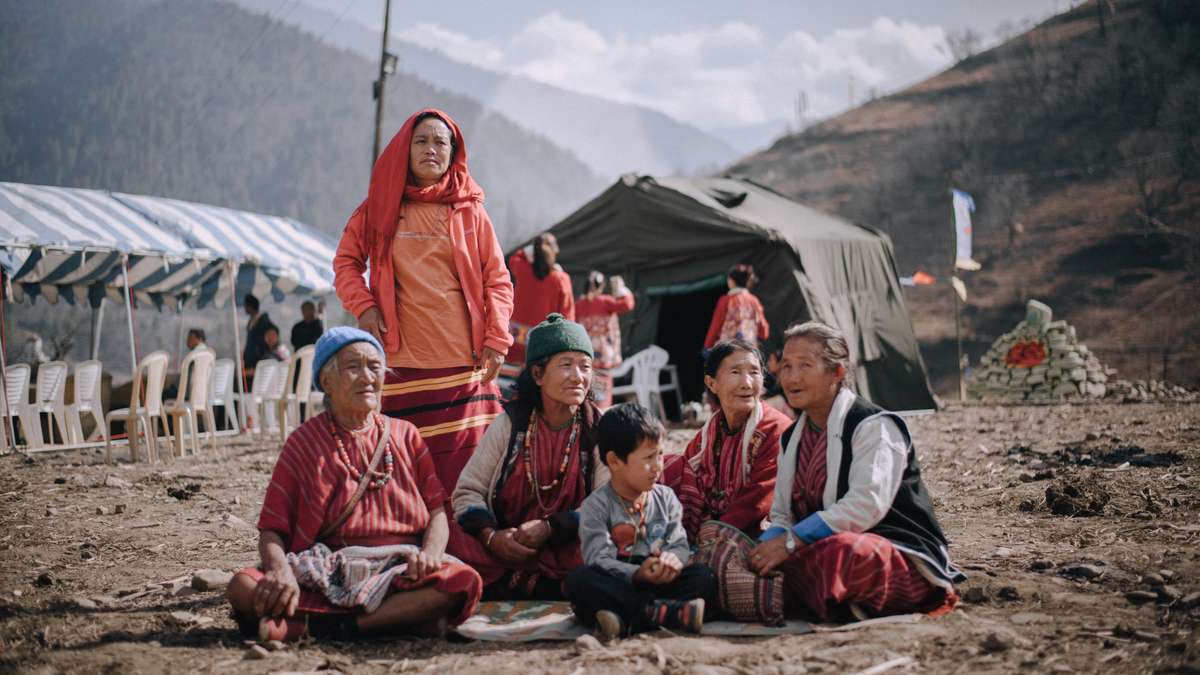
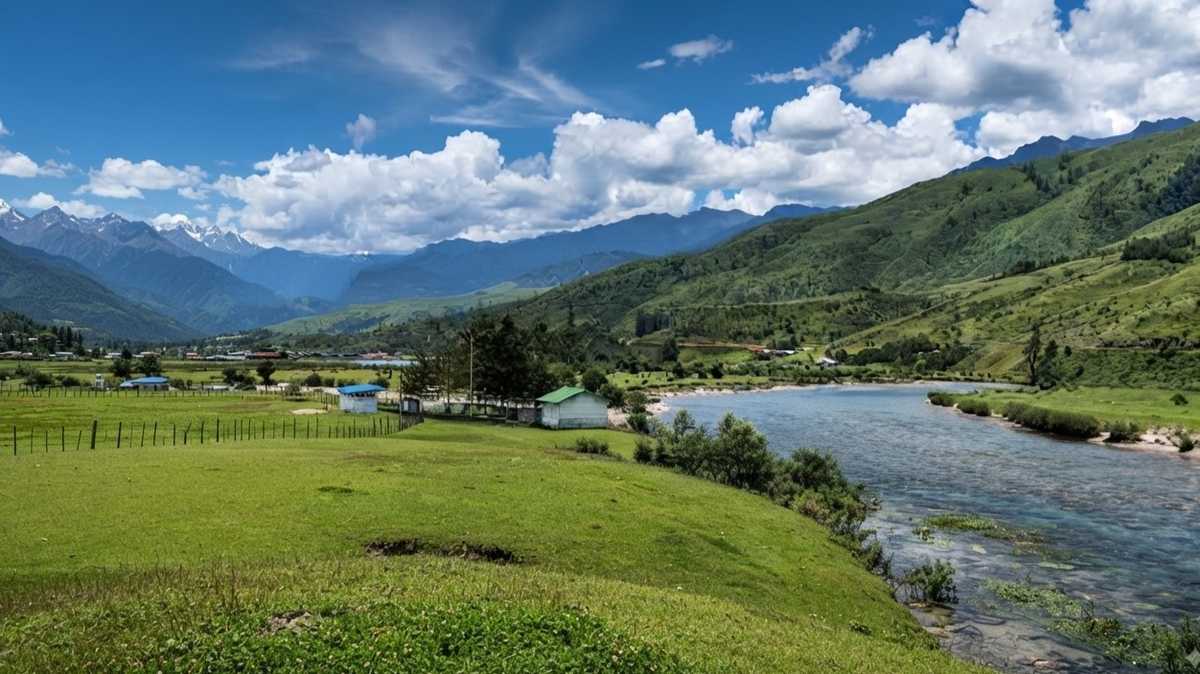
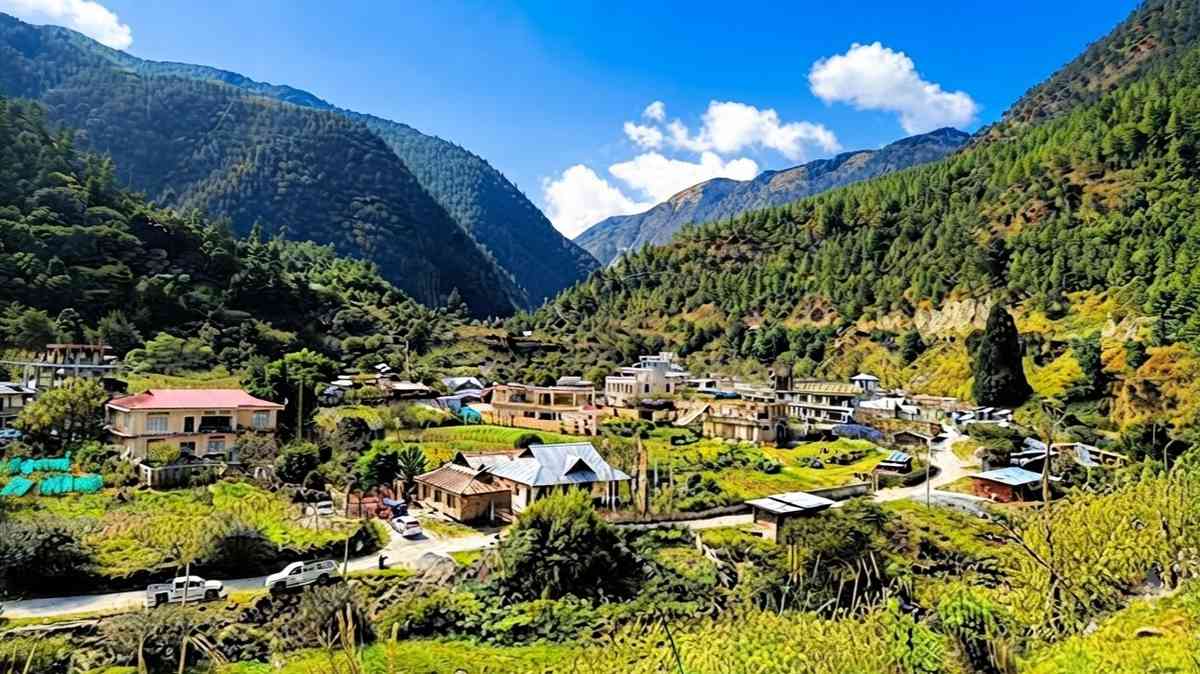
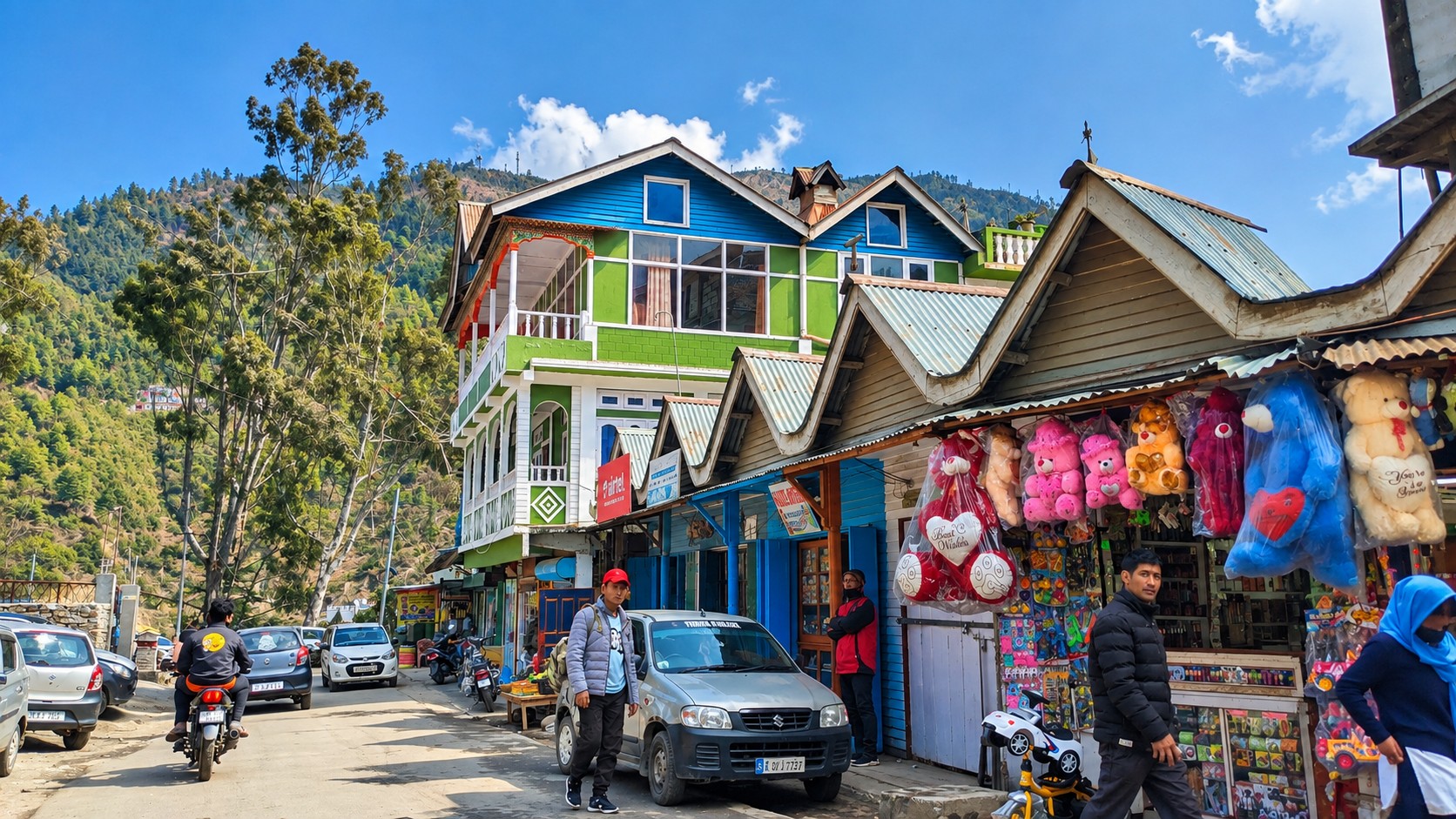
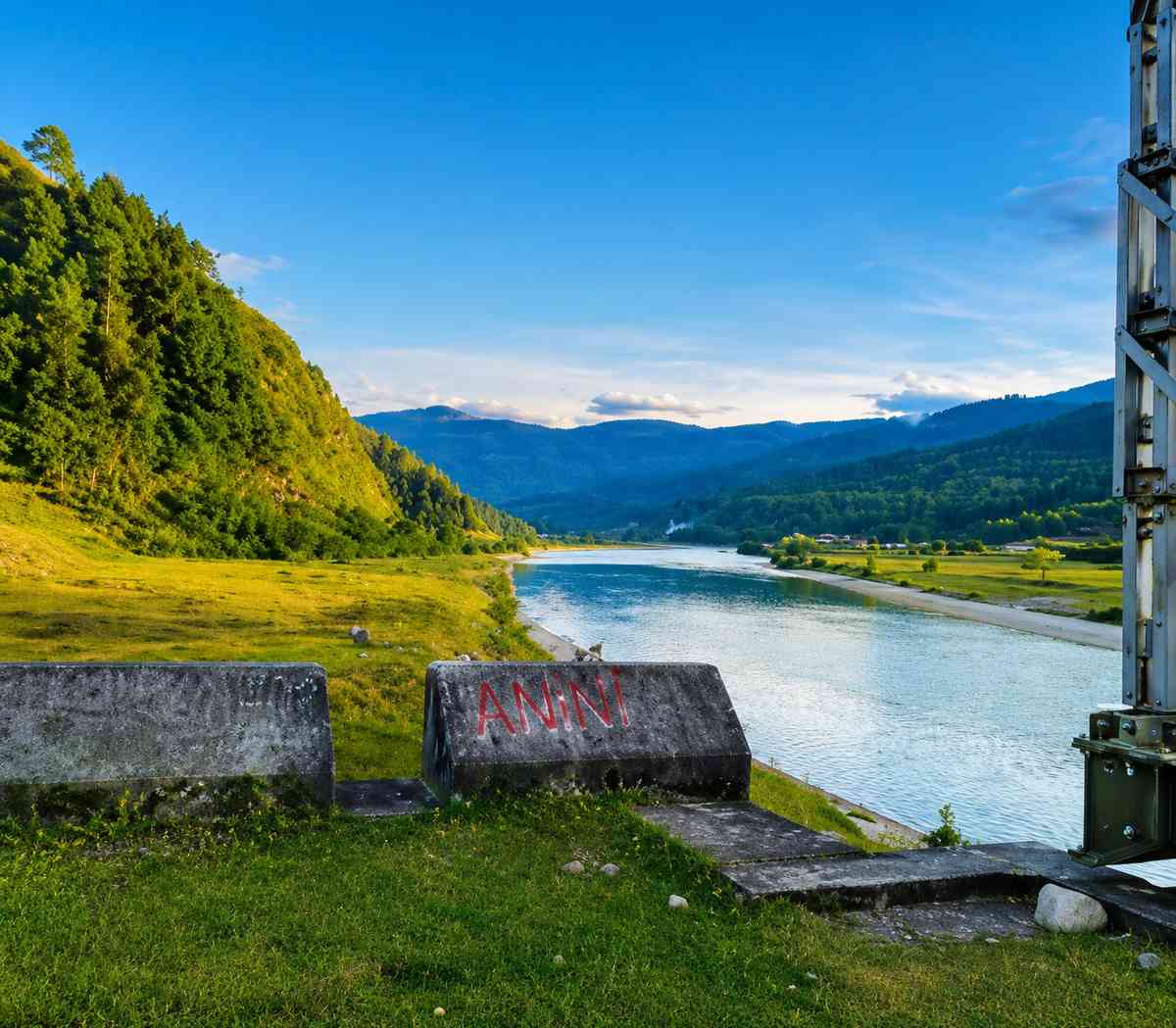
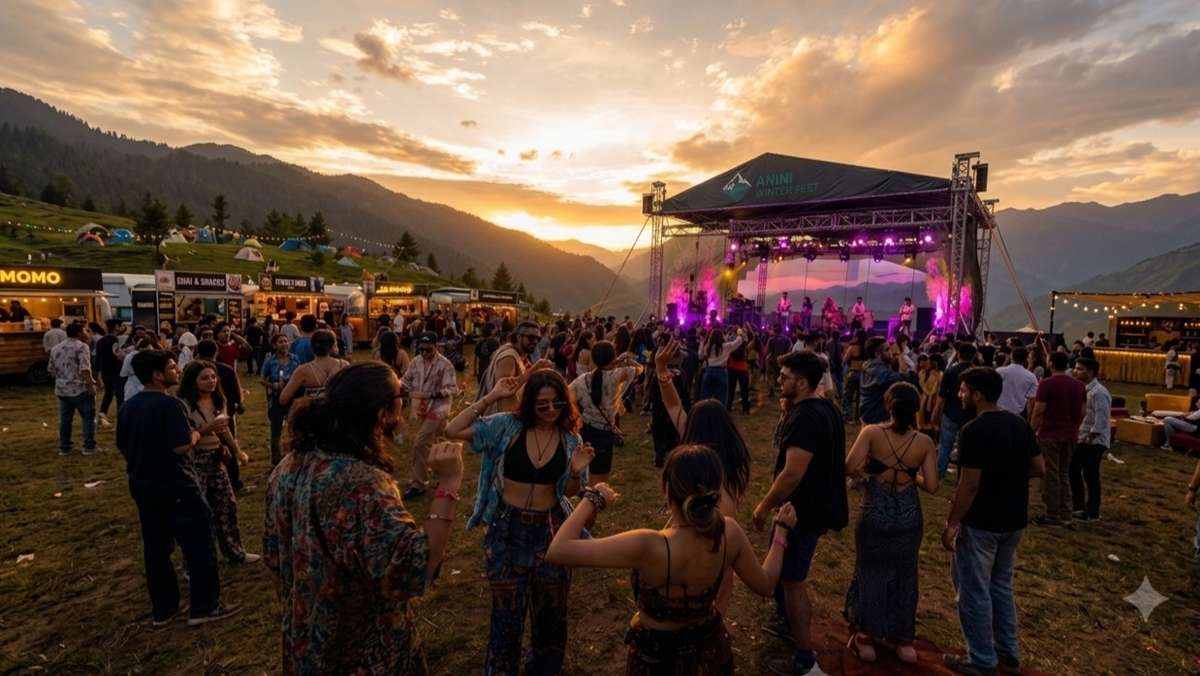
Woodsmoke curling over the ridgelines. A bonfire crackling. Music drifting through crisp mountain air. That’s Anini Winter Fest — a gathering in the Dibang Valley of Arunachal Pradesh, where Idu Mishmi culture, music, and highland hospitality meet. Here, the mountains aren’t a backdrop. They’re part of the celebration. Locals and travelers sit around the same fire, eat the same food, sing the same songs. For two days, this remote valley becomes a meeting point between tradition and togetherness — and a model for what community-led tourism can look like.
Anini Winter Fest 2026 — At a Glance
Dates
19th–20th September
Location
Anini, Dibang Valley, Arunachal Pradesh
Duration
2 days
Organizer
Local Idu Mishmi youth collective, Anini
Nearest Railhead
Tinsukia / Dibrugarh
Nearest Airport
Dibrugarh (Mohanbari)
Permits Required
ILP (Indian nationals) / PAP (foreign nationals)
Why Trust This Guide
This Anini travel guide is written by the Encamp Adventures team, led by Ratan Kumar, who has helped 25,000+ travelers explore Northeast India and runs camp at Anini Winter Fest itself. Encamp has been participating in the festival for the last three years, camping alongside locals and travelers each winter — which means every tip here comes from experience, not a brochure.
Where It All Began: The Dibang Winter Fest Story
Anini Winter Fest started with a simple, local instinct. A group of young people from Anini looked at their own valley and saw both a problem and a promise. The Dibang Valley is one of the most untouched corners of the Eastern Himalayas — yet it stayed largely unseen by the outside world, with few sustainable ways for its own people to earn a living from it. So they built the answer themselves.
What began at the local Karu Resort in Anini as a modest, community-run gathering had two clear goals: open the valley to travelers without harming its fragile ecology, and give the Idu Mishmi tribe a genuine platform for their heritage — their cuisine, their handloom traditions, and ancient practices like Igu-Tamro.
The Igu is the tribe’s ritual specialist — a bridge between the community and the spirit world, responsible for healing the sick, conducting funeral rites, and blessing new homes and fields. A Tamro is an apprentice who trains under an Igu for two years, learning the chants and oral knowledge needed to one day become a shaman. Together, Igu-Tamro is one of the valley’s oldest living systems of knowledge, passed down rather than written down.
The festival has grown, but its core hasn’t changed. It’s still conceptualized, organised, and run entirely by the people of the Dibang Valley. Every traveler who shows up isn’t just attending an event — they’re a guest of the community, on the community’s terms. That model earned the festival recognition as the Best Emerging Adventure Destination for 2025 — proof of what happens when a place is shaped by the people who call it home.

Idu Mishmi Culture at Anini Winter Fest
The Idu Mishmi tribe is the heart of the festival. Because it was built by the community’s own youth, visiting feels less like attending an event and more like being welcomed into a family’s home.
Cultural Shows: Ritual Dances and Sacred Kinship Evenings come alive with folk songs and dances depicting harvest and old tribal legends. Performers wear hand-woven attire — men in the Etonwe, women in the Thunwe, paired with heirloom jewelry. Many performances draw on the tribe’s core belief that the tiger and the Idu Mishmi are blood siblings — a kinship with nature that explains why conservation runs so deep in their culture.
Idu Mishmi Handicraft Workshops The exhibition grounds double as a live marketplace. Artisans weave on traditional backstrap looms; others shape cane and bamboo into baskets and everyday items. In partnership with House of Macnok, visitors can join eco-art workshops — making paper and jewelry from foraged materials.
Igu-Tamro Workshops: Encountering Ancient Shamanism This is the festival’s most significant offering. Practicing Igus share sacred chants and rituals once used to resolve conflicts and heal the sick. With only 70 to 80 Igus left, attending is as much an act of preservation as it is an experience. (Photography of sacred items needs explicit permission.)
Local Cuisine at Anini: Food and Traditional Brews
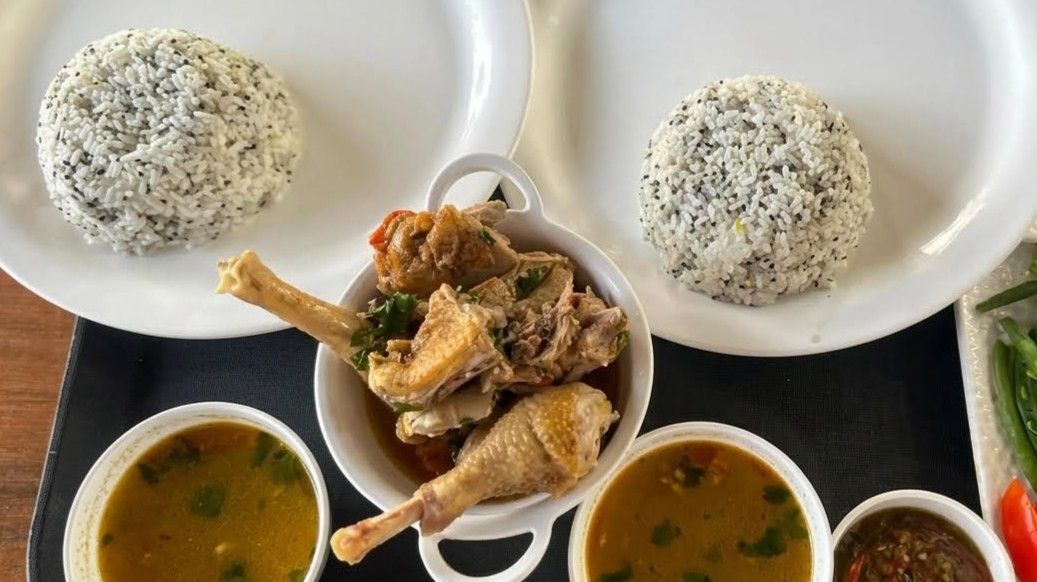
Food here comes straight from the forest and the fire — foraged, smoked, fermented the way it’s been done for generations. Nothing commercial, nothing rushed.
- Chambai — the tribe’s everyday comfort food: rice or millet cooked with chicken or pork, served moist, almost like a savory porridge.
- Bamboo Tube Cooking and Sprouts — fresh bamboo shoots (Aanunu or Simbi) go into light broths, while meat, rice, or fish get packed into bamboo tubes and cooked over hot coals for a subtle, woody sweetness.
- Smoked Meats — cured for months above the household chimney, then simmered into winter stews with wild taro, red beans, or pumpkin leaves.
- Foraged Relishes — Sidol, a fermented fish chutney pounded with local ghost peppers, alongside boiled greens, wild ginger, and sweet potatoes.
- Yu (Ebu) — a naturally fermented rice or millet beer, served in carved bamboo goblets. It’s how guests are welcomed and toasts are made, long into the night.
Dibang Valley Adventure: Outdoor Activities
Anini isn’t just a festival — it’s a gateway to some of the wildest terrain in the Eastern Himalayas.

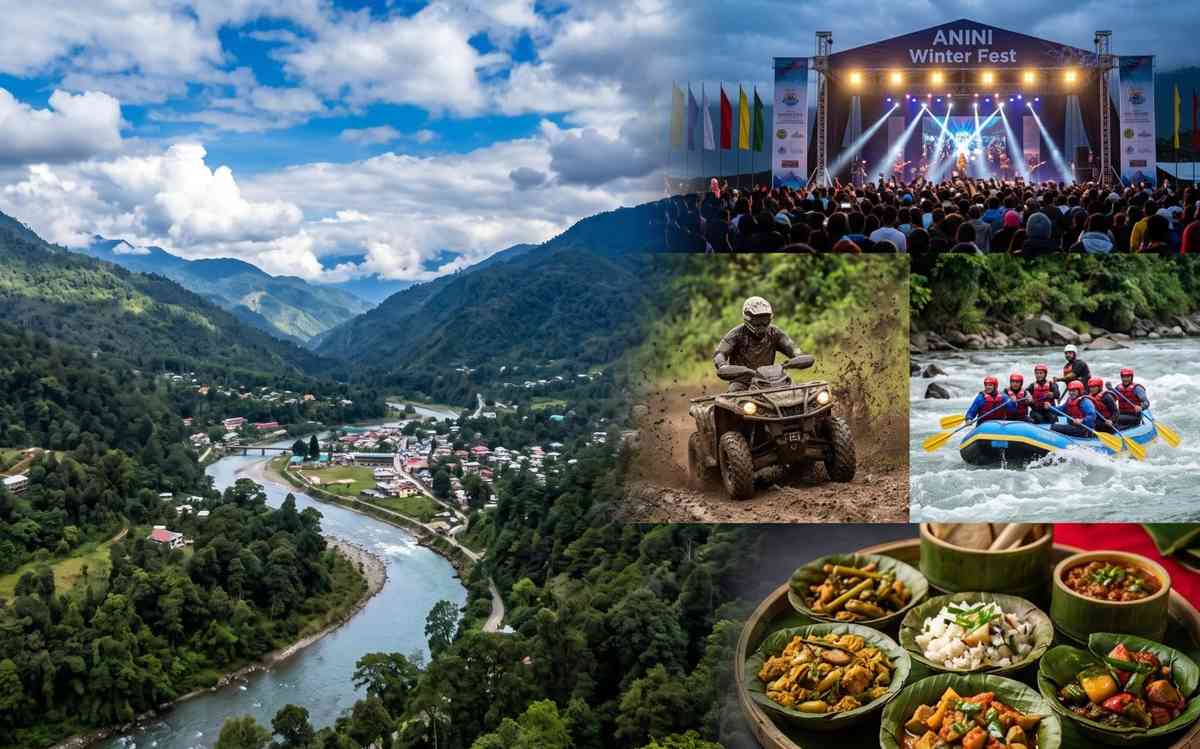
- White-Water Rafting — fast, cold rivers straight off the mountains.
- Kayaking — a calmer paddle through clear waters and dense forest.
- ATV Trails — rugged, unpaved rides through the hills.
- Scenic Route Cycling — quiet mountain roads past villages and rivers.
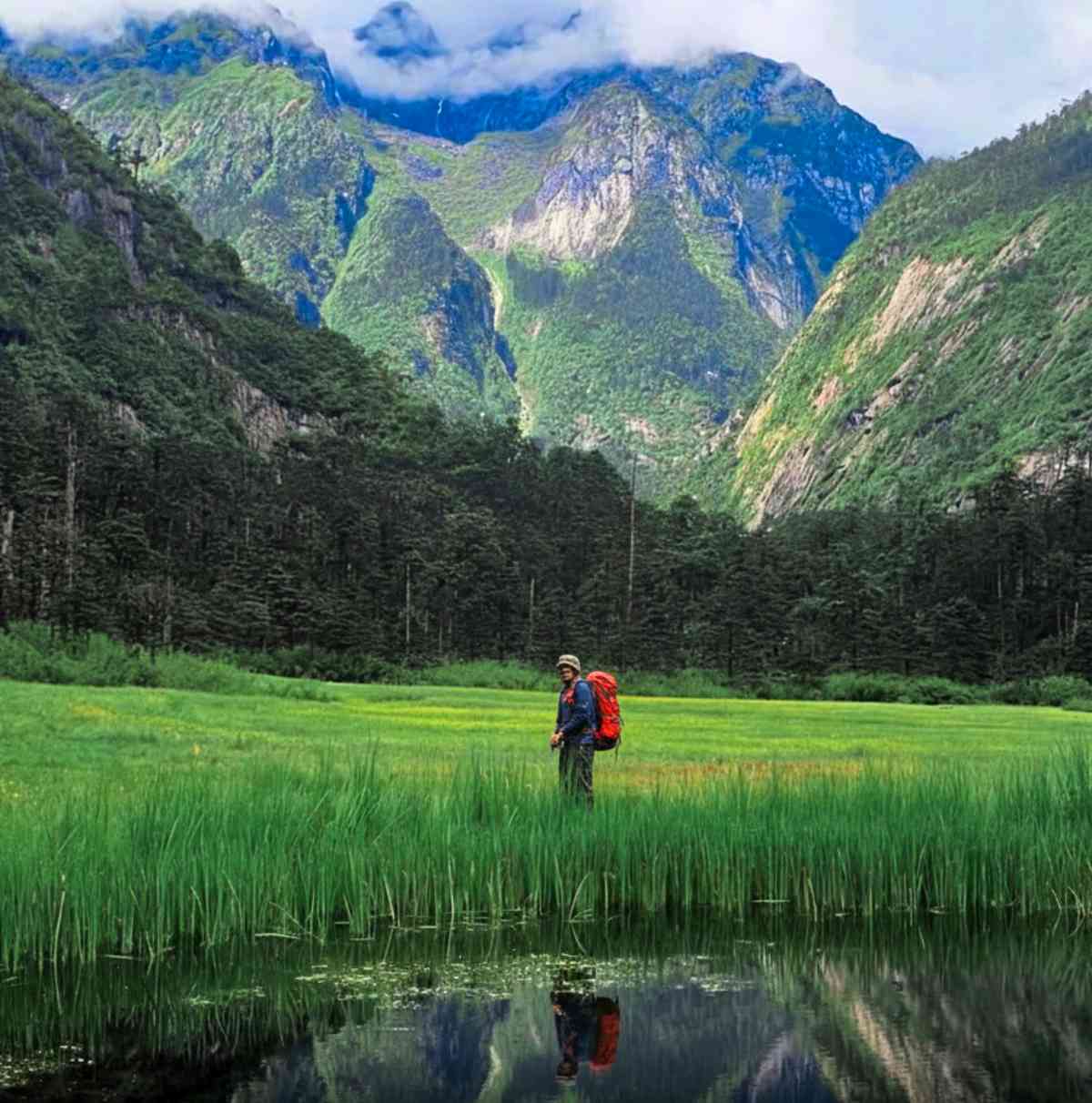
- Trekking and Hiking — some of the best trekking routes in Dibang Valley, leading to viewpoints few outsiders ever reach.
- Forest Camping — end the day under the stars, with only forest sounds for company.
Camping Under the Stars: Where to Stay
Anini’s remoteness is its biggest challenge by day and its greatest gift by night. With zero light pollution, the valley offers stargazing that few places in India can match.
Hotels are scarce. Most travelers camp instead, in forest tents or riverside alpine camps, pitched close to nature rather than apart from it. Falling asleep to the sound of the river is as much a part of the experience as anything on stage. This is eco-friendly camping under the stars at its most literal — step outside after dark, and the Milky Way stretches across a sky untouched by city light.
Homestays near the Anini Winter Fest venue are limited but available for travelers who prefer a roof — book early, as both camping and homestay options fill up fast.
Encamp’s Anini Basecamp
AWF 2026 Camping Packages — camp easy, party warm. Relax in cozy tents, gather in bamboo lounges under starlit skies, join nightly bonfire jams, or wake up to guided nature walks.
- Bamboo lounges and starlit skies for conversation and music
- Nightly bonfire jams and community gatherings
- Eco-friendly setup that keeps the valley pristine
- Smooth check-ins and reliable transport
- 24/7 on-ground support
- Gender-segregated, ready-to-use tents for every guest
With years of regional experience, Encamp brings local partnerships, safety protocols, and festival know-how to every stay — so you can focus on the music, the culture, and the mountains while we handle the logistics. Ready to experience the festival without worrying about the logistics? Explore our Anini Winter Fest Tour Package 2026, covering accommodation, transport, permits, and on-ground support -
encampadventures.com/arunachal-pradesh/itineraryv2/anini-winter-fest-2026-tour-package-7-days-6-nightsencampadventures.com/arunachal-pradesh/itineraryv2/anini-winter-fest-2026-tour-package-7-days-6-nights
Anini Winter Fest 2026 Lineup & Artists
The official Anini Winter Fest lineup 2026 will be announced closer to the festival. Past editions have featured regional folk artists, indie acts, and experimental performers — a curated mix of traditional Mishmi performances, acoustic sets, and contemporary bands suited to the valley’s intimate setting.
How Anini Compares to Other Northeast Winter Festivals
Festival
Location
Vibe
Best For
Anini Winter Fest
Dibang Valley, Arunachal Pradesh
Intimate, community-run, remote
Deep culture + off-grid adventure
Hornbill Festival
Kohima, Nagaland
Large-scale, multi-tribe showcase
First-time Northeast culture travelers
Ziro Music Festival
Ziro Valley, Arunachal Pradesh
Indie/alt music + Apatani culture
Music-first travelers
An Eco-Friendly, Community-Led Festival
Anini Winter Fest isn’t run by an outside company — it’s run by the people who live in this valley. Homestays, guides, artisans, and cooks all belong to the community, so the money spent here stays here.
That same spirit shapes how the festival treats the land. Waste management is taken seriously, with clear systems to keep the valley clean after the crowds leave. It’s effectively a plastic-free festival in Arunachal Pradesh, though organisers are honest that sustainability isn’t easy — as the festival grows each year, welcoming more travelers without straining the valley’s fragile ecology is a real, ongoing challenge.
This is what a community-built eco-friendly festival looks like: growth that stays thoughtful, benefits that stay local, and a valley that looks much the same as it did the day it all began. Traveling here responsibly — packing out what you bring in, choosing community-run stays, respecting sacred rituals — is part of what keeps it that way.
How to Reach Anini
- By Train — Travel to Tinsukia or Dibrugarh, then continue by road into Dibang Valley.
- By Air — Fly to Dibrugarh (Mohanbari); road transfer to Anini follows.
- By Road — Scenic but rugged drives from Assam, with long, beautiful stretches and occasional rough patches.
Inner Line Permit for Anini Winter Fest
1. ILP —
For Indian Citizens Apply online through the official Arunachal Pradesh eILP Portal. List "Upper Dibang Valley" as your destination district — easy to miss, essential to get right. The permit costs ₹300 for up to 3 days, or ₹500 for up to 14 days. You’ll need a passport-sized photo on a white background and a scanned valid ID (Aadhar, Voter ID, or Driving License).
2. PAP —
For Foreign Nationals Solo travel isn’t permitted for international visitors in Arunachal Pradesh — you’ll need a group of at least two. The PAP must go through a government-registered tour agency, at least four weeks before travel. Cost is typically around USD 50 per person.
Anini Winter Fest 2026 Tickets & Passes
Anini’s ecology is fragile and its lodging is limited, so entry passes are intentionally capped. This isn’t scarcity marketing — it’s what keeps the valley from being overwhelmed by its own popularity.
You can book a single-day pass, a multi-day festival pass, or an all-inclusive package bundling entry, permit assistance, transport from Dibrugarh, and homestay stays. Booking early matters here more than almost anywhere else. Reserve your pass with Encamp → https://encampadventures.com/arunachal-pradesh/itineraryv2/anini-winter-fest-2026-tour-package-7-days-6-nights
Essentials to Pack for Anini Winter Fest
- Cash (₹10,000–15,000) — ATMs in Roing and Anini often go down, and there’s no reliable digital payment network at the venue.
- Warm layers — insulated clothing, a windcheater, a rain jacket, sturdy trekking shoes. Mountain passes can turn freezing without warning.
- Power backup — a high-capacity power bank and flashlight. Campsites often run on solar or generators that shut off overnight.
- First-aid and motion sickness pills — the drive up Mayodia Pass can bring on nausea.
- A reusable water bottle — the festival runs zero-waste; bring your own bottle to keep it that way.
Things To Do in Anini — Beyond the Stage
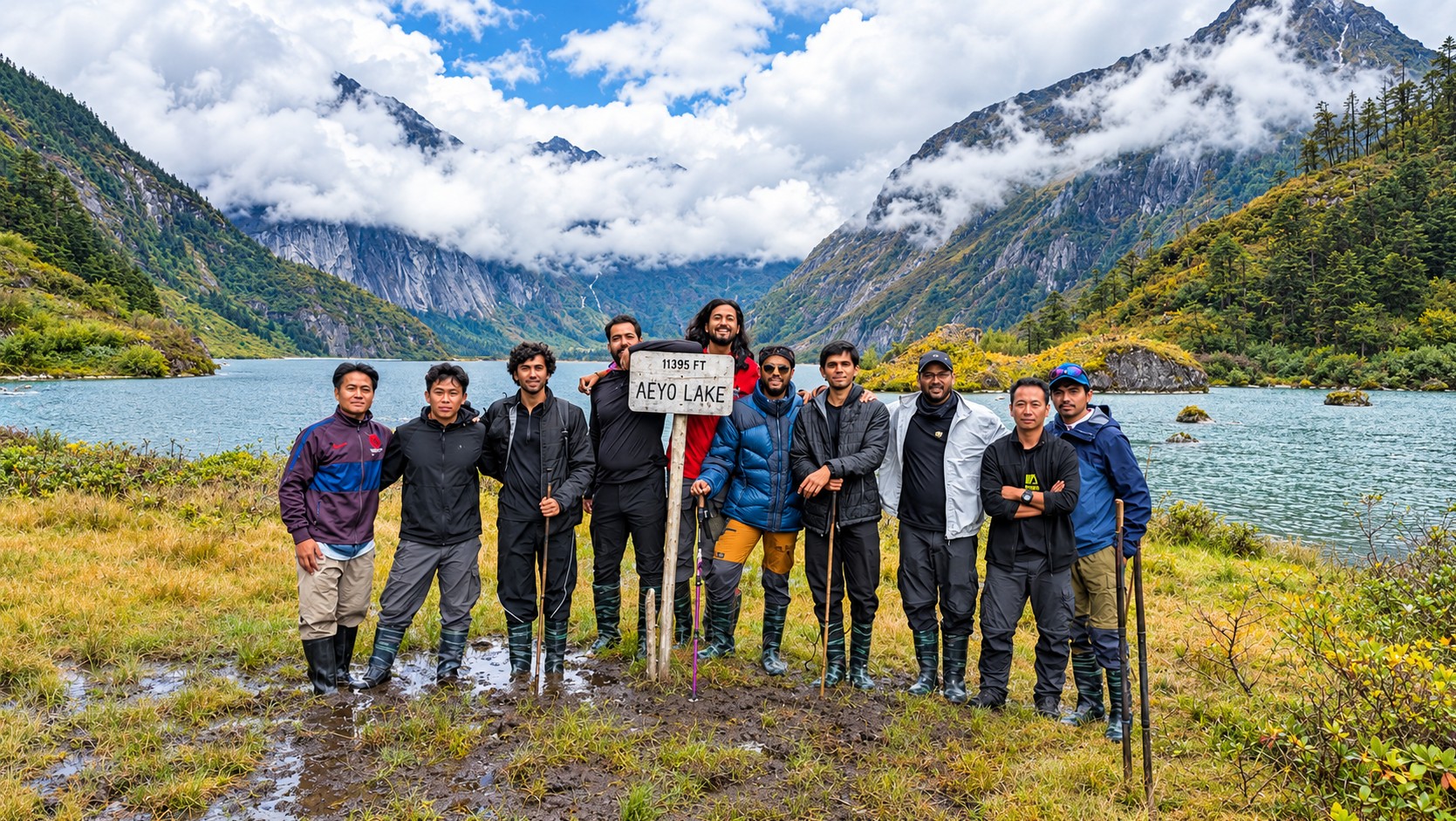
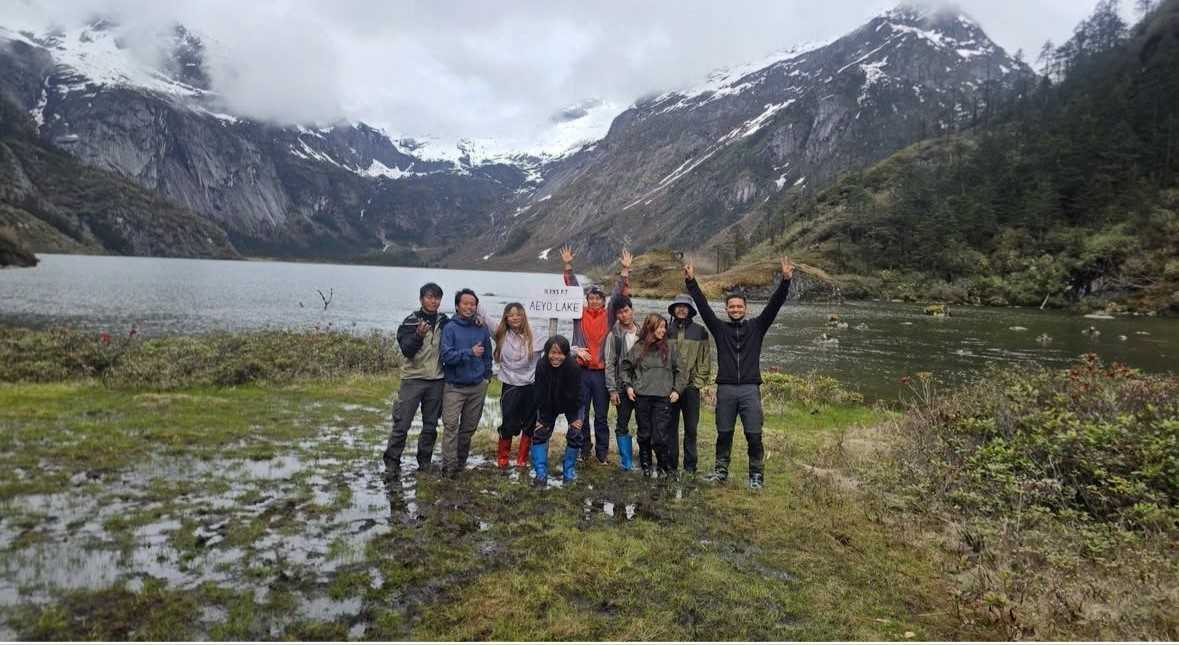
Guided village walks, Mishmi craft bazaars, short and long treks, birdwatching, and cultural workshops. Seasonal landscapes and local hospitality make for memorable day trips and photo opportunities. For travelers looking to explore beyond the festival grounds, the Aeyo Valley Trek from Anini is a great option for experiencing the surrounding mountain landscape -
Aeyo Valley Trek Ex Aniniencampadventures.comExtend the Vibe — Post-Festival Tours
Add post-festival extensions to explore more of Northeast India: multi-day trips to Tawang and Dirang, Sangti Valley, and circuits covering monasteries, mountain passes, and remote highland communities. Extending your trip after Ziro Music Festival? Discover the Anini Valley of Waterfalls on a post-Ziro journey through Arunachal Pradesh’s remote mountain landscapes - Want to explore more of Arunachal Pradesh beyond Anini? Join our Anini and Mechuka Offbeat Group Tour for a deeper journey into two of the region’s most remote mountain destinations -
encampadventures.com/arunachal-pradesh/itineraryv2/anini-valley-of-waterfalls-post-ziro-festival-of-music-group-tourencampadventures.com/arunachal-pradesh/itineraryv2/anini-valley-of-waterfalls-post-ziro-festival-of-music-group-tourencampadventures.com/arunachal-pradesh/itineraryv2/anini-and-mechuka-offbeat-group-tourencampadventures.com/arunachal-pradesh/itineraryv2/anini-and-mechuka-offbeat-group-tourAnini Winter Fest 2026 — FAQs
1. What is Anini Winter Fest?
A community-led winter festival in Arunachal Pradesh’s Dibang Valley, celebrating Idu Mishmi culture through music, cultural shows, food, and outdoor adventure.
2. Who organizes the festival?
It’s entirely run by local Idu Mishmi youth from Anini.
3. Do I need a permit?
Yes. Indian citizens need an ILP via the Arunachal Pradesh ILP Portal. Foreign nationals need a PAP through a registered tour agency, at least four weeks ahead.
4. Can foreign nationals travel alone?
No. Solo travel isn’t permitted for international visitors in Arunachal Pradesh — a group of at least two
is required.
5. How do I get to Anini?
Usually via Dibrugarh, followed by a road transfer through Assam and the Mayodia Pass.
6. Where do I stay?
Hotels are scarce; most visitors camp in forest tents or riverside alpine camps near the venue.
7. Are passes limited?
Yes, intentionally capped to protect the valley’s ecology and its limited lodging — book early.
8. What can I do besides the music and shows?
White-water rafting, kayaking, ATV trails, cycling, trekking, and forest camping.
9. Is cash necessary?
Yes — ATMs are unreliable and there’s no functional digital payment network on-site.
10. Is the festival eco-friendly?
Yes. It follows a zero-waste approach and community-led waste management.
About the Author
Ratan Kumar is the CEO of Encamp Adventures, where he leads the team in curating travel experiences across Northeast India — with a focus on helping travelers experience the region authentically, not as another stop on a checklist.
About Encamp Adventures
- 25,000+ travelers served
- Community tourism expertise
- Climate-first travel initiatives
- Northeast India specialization
About Carbon
Trace Beyond curating trips to festivals like Anini and Hornbill, Encamp Adventures also powers Carbontrace.in, a sustainability platform that helps businesses, communities, and individuals measure, offset, and monetize their carbon footprint using satellite data, verified carbon credits, and blockchain-backed reporting. The goal: making sure the communities that keep cultural treasures like Anini Winter Fest alive also benefit from transparent climate action.
Encamp’s All-Inclusive Anini Trip
If you prefer to travel with fellow explorers, consider joining an Anini group tour with a planned itinerary and on-ground support -
Anini Group Tourencampadventures.com