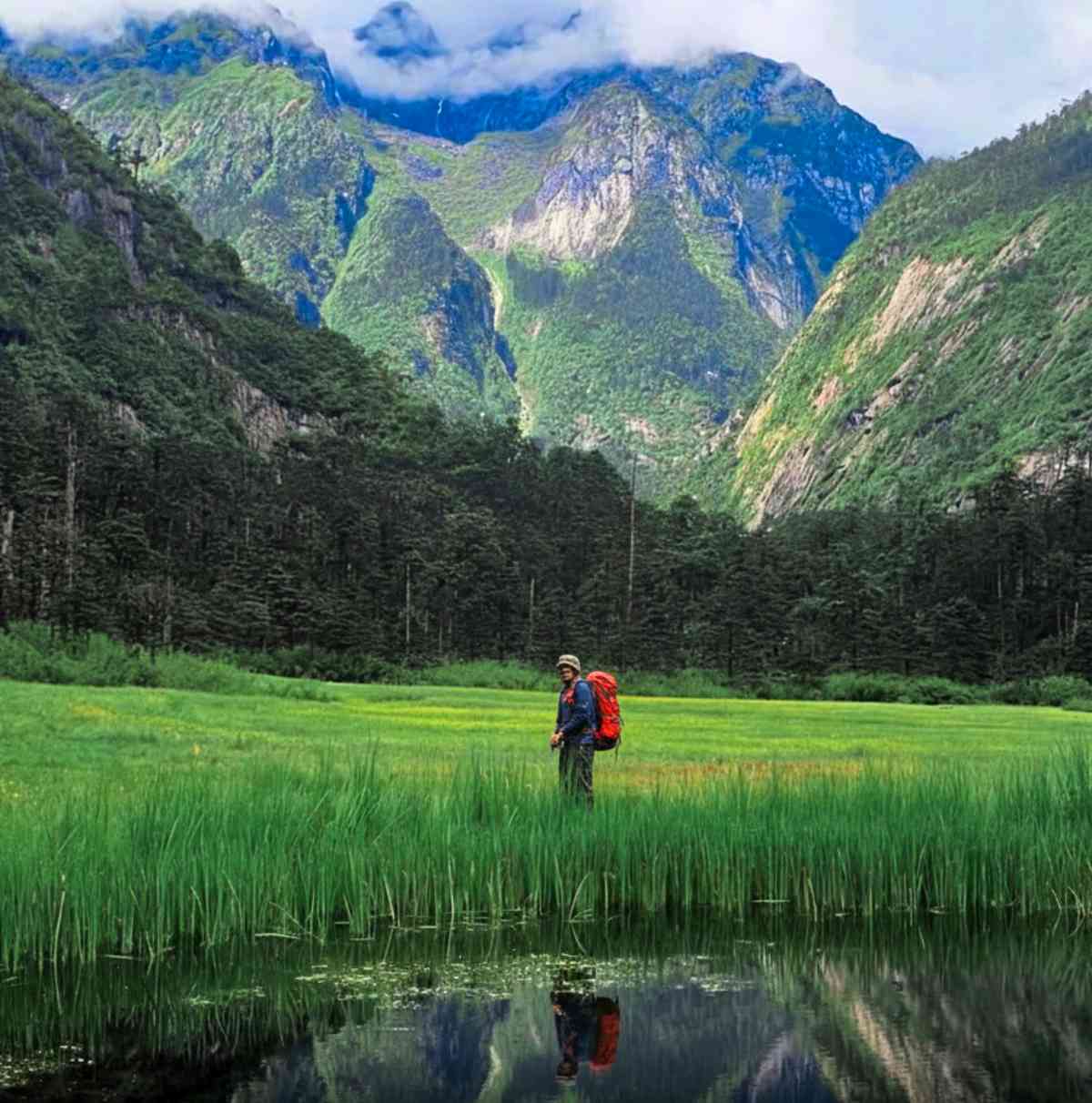



Best Camping in Ziro, Arunachal Pradesh: Campsites, Tents & Festival Guide
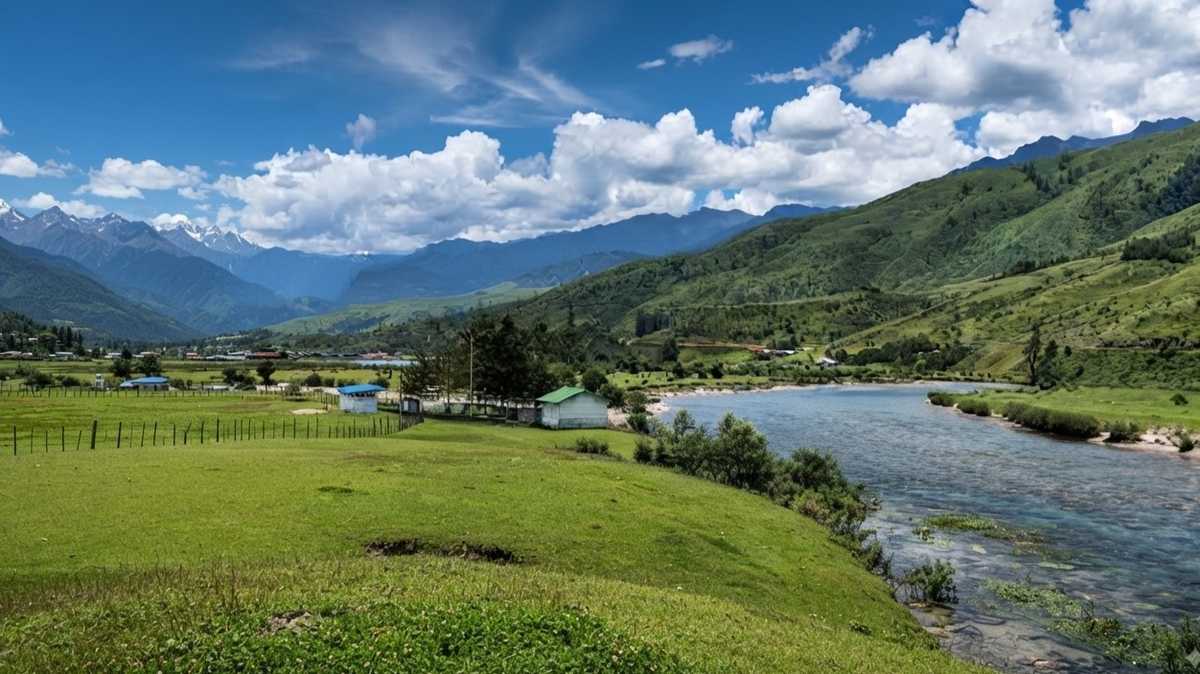
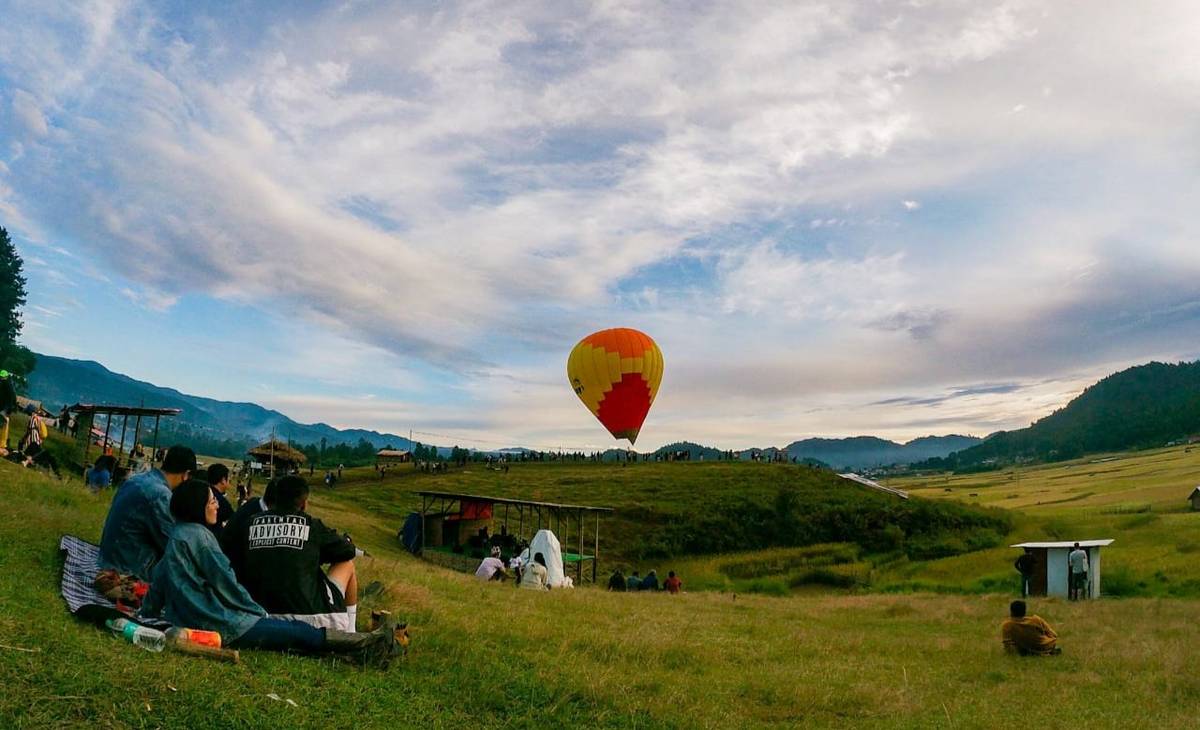
There’s a particular kind of quiet that hits you the moment you step off the road into Ziro Valley — paddy fields stretching in every direction, pine ridges hugging the horizon, not a single billboard in sight. Camping at Ziro isn’t just an overnight stay; it’s the kind of trip that quietly rearranges what you think a "good time" looks like. Whether you’re chasing the Ziro Music Festival lineup or simply want to wake up to mist rolling over rice fields, here’s everything you need to know before you book your tent — straight from people who’ve actually pitched one here.
Why Camping at Ziro Should Be On Your Bucket List
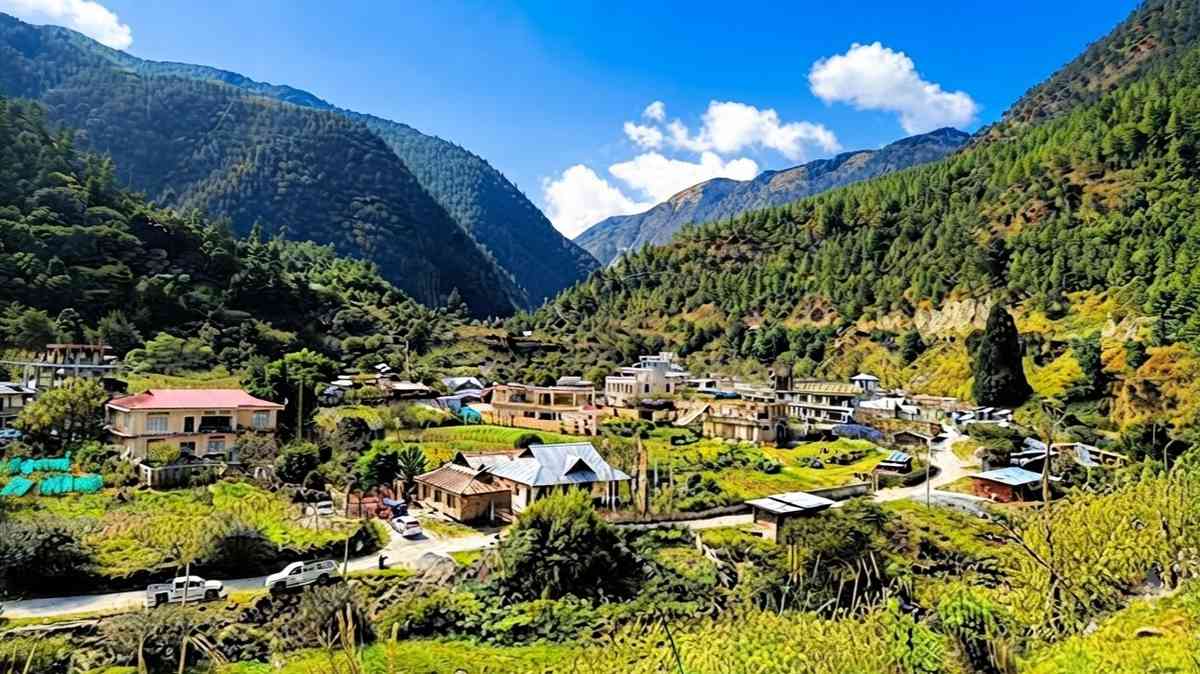
Ziro isn’t trying to impress anyone, and that’s exactly the point. This is Ziro Valley camping the way it should be — Apatani villages dotted between the fields, pine smoke curling up at dusk, and a pace of life that forces you to slow down whether you like it or not.
A few things make it different from your average camping in Arunachal Pradesh trip:
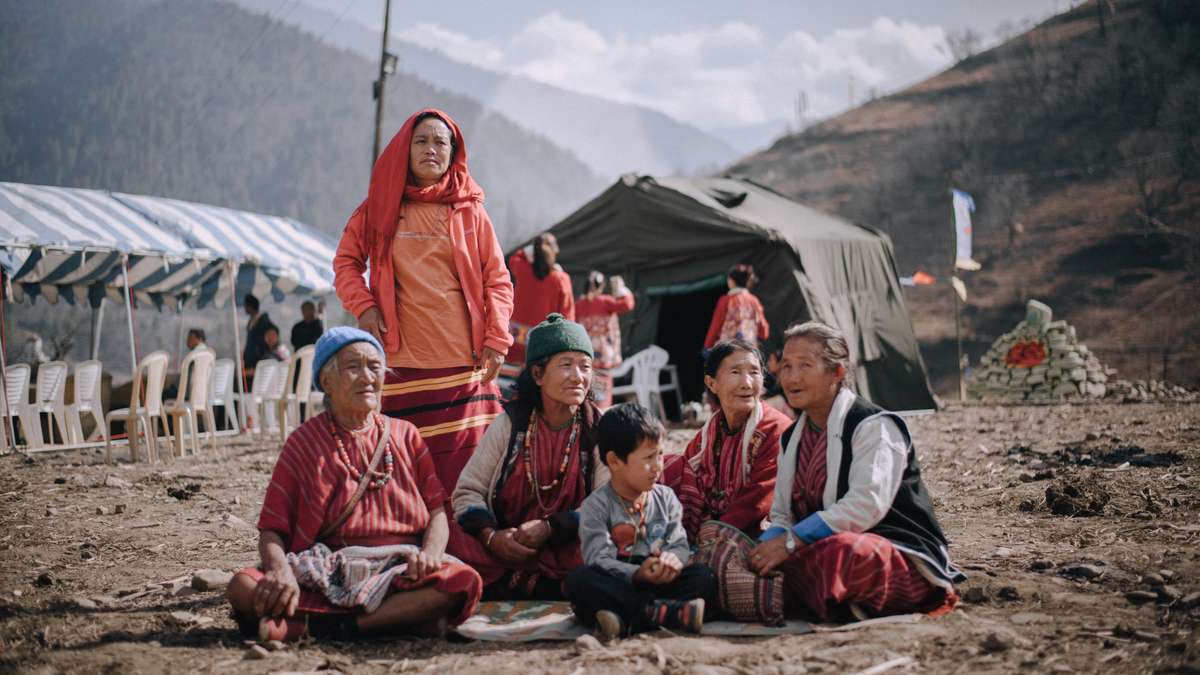
- The Apatani community, known for their distinct culture and sustainable farming practices, lives right alongside the campsites — this isn’t a manufactured "tribal experience," it’s their everyday home.
- The valley sits at a comfortable altitude, so the air is cool and crisp without the brutal cold of higher Himalayan camps.
- It’s one of the few eco camp Ziro destinations in the Northeast where sustainability isn’t a marketing line — it’s baked into how the campsite actually runs.
- You get the rare combination of music, mountains, and a living culture, all within walking distance of your tent.
If you’ve been looking for Apatani village camping that feels authentic rather than staged, this is it.
Best Time for Ziro Festival Camping
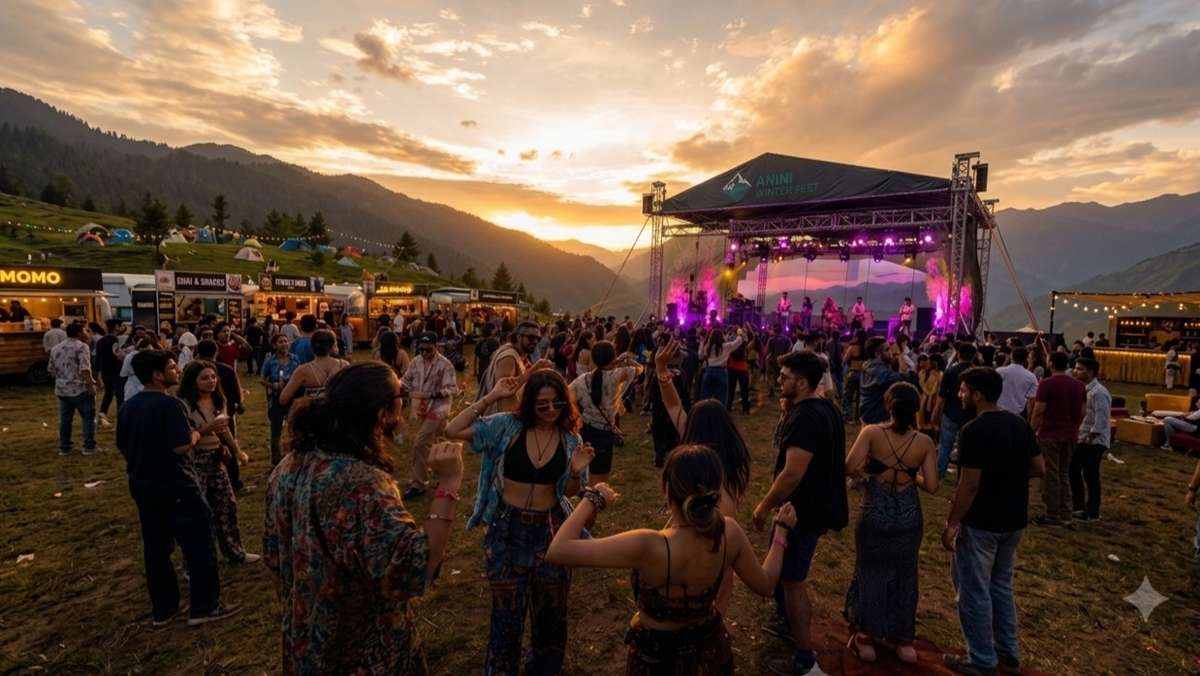
If there’s one date to circle on your calendar, it’s the Ziro Music Festival — 24 to 27 September 2026. This is when music festival camping Ziro hits its peak, and the entire valley turns into a four-day fever dream of indie music, bonfires, and strangers who feel like old friends by day two.
The festival is run by the local Apatani community alongside musicians from across the country, and it shows. No giant LED screens, no aggressive sponsor branding — just real sound systems, real artists, and a crowd that’s there for the music, not the Instagram story (though you’ll get plenty of those anyway).
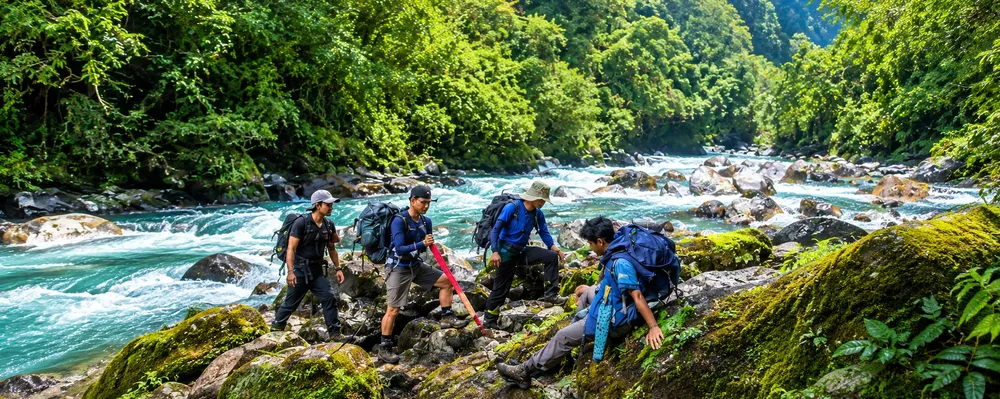
Outside the festival window, Ziro is still very much worth a visit — it’s just a quieter, slower kind of Ziro Valley camping, better suited to people who want trekking and camping Ziro style trips through the rice fields and pine forests without the festival crowd.
Types of Camps at Ziro Valley: Dome, Alpine & Safari Tents
Not all tents are built the same, and at Ziro you’ve got real choices depending on how you like to camp.
Dome Tents
The most popular pick, and for good reason. Dome tents are compact, sturdy, and genuinely comfortable for two — think of them as your home base for the festival. You unzip the flap in the morning and you’re staring straight at paddy fields and hills. Great for couples, friends, or anyone who wants a proper night’s sleep without sacrificing the camping feel.
Alpine Tents
A step up in space and durability. Alpine tents are built to handle Ziro’s unpredictable weather a little better — useful when the evenings get nippy or a stray shower rolls through. If you’re someone who camps often and notices the difference between "fine" and "actually well-built," this is the tent type to look for.
Safari Tents
For travelers who want the luxury tents Ziro experience without giving up the outdoor feel entirely. Safari tents are roomier, often furnished with proper bedding and a bit more breathing space inside — ideal if you’re traveling as a small group or simply prefer a touch more comfort after a long day of music and walking.
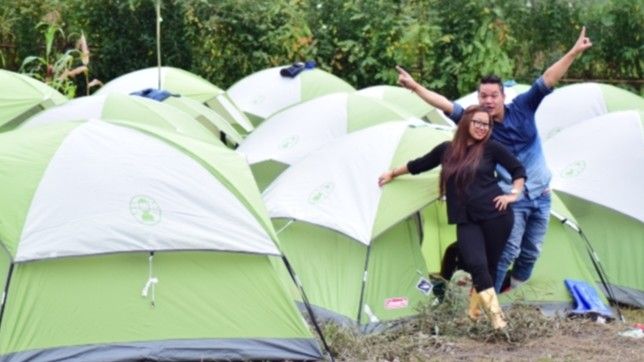
Tent Sharing Options: Solo, Twin & Group Stays
Camping at Ziro works whether you’re rolling in solo, as a couple, or with a full crew.
- Twin sharing is the standard and most affordable setup — two people per tent, ideal for friends or couples.
- Group sharing options exist for bigger squads who want to be tent-neighbors rather than spread across the campsite.
- Solo travelers aren’t left to figure it out alone — tents are gender-segregated for solo stays, so you’re paired considerately rather than randomly.
If you’re booking as a group, it’s worth requesting tents close to each other at the time of booking — campsite layout fills up fast once festival dates get close.
Got Your Own Gear? The BYOT (Bring Your Own Tent) Option
If you’re the kind of camper who has a favorite tent and doesn’t feel like switching, BYOT (Bring Your Own Tent) is available. You still get access to the campsite, its facilities, water points, washrooms, and the overall camp vibe — you’re just pitching your own setup within the grounds instead of using one of ours.
It’s a popular choice among seasoned campers and trekking regulars who’d rather camp on familiar gear, especially if you’re already doing trekking and camping Ziro style trips and traveling with your own equipment anyway.
The Camp Vibe: Bonfire Nights & Bamboo Lounges Under the Stars
This is the part that’s genuinely hard to put into words until you’ve experienced it — but here’s an attempt.
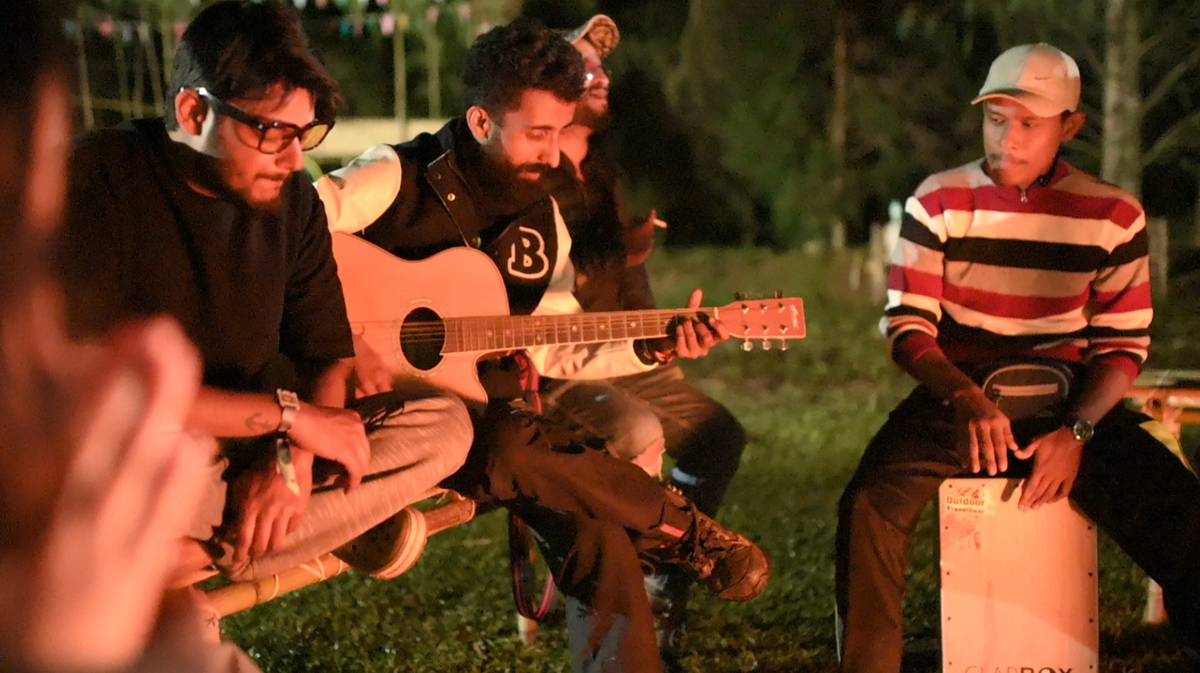
Evenings at camp start slow. People trickle back from the festival ground, dump their bags, and end up in the bamboo machang lounges before they’ve even decided to. Someone’s always got a guitar out. The bonfire camping Ziro sessions aren’t scheduled entertainment — they just happen, organically, the way good campfire nights always do.
What the vibe usually looks like:
- Bamboo lounge seating where conversations with strangers turn into actual friendships by night two.
- Jam sessions around the fire — sometimes a few chords, sometimes a full singalong with twenty people who met two hours ago.
- A common chill zone for the in-between moments — between sets, before sleep, after a long day of walking the village.
- Stars. An almost unfair number of them, since there’s barely any light pollution out here.
It’s the kind of camp vibe that makes people extend their trip by a day they hadn’t planned for. It’s this kind of bonfire camping Ziro atmosphere that separates a real festival campsite Ziro Valley experience from a generic tent-and-sleep setup.
After the Music Stops: Camp-Wise After-Parties
This is one of the most underrated parts of Ziro festival camping — the party doesn’t end when the main stage shuts down, it just relocates. Each camp runs its own after-party, separate from the others, so you’re not dealing with one massive, chaotic crowd everyone funnels into.
What this actually means for you:
- Smaller, more intimate gatherings within your own camp rather than a free-for-all.
- A vibe shaped by the people actually staying there with you — your tent neighbors become your after-party crew.
- Less crowd-crushing, more "we’ve got our own thing going" energy.
It’s a small detail, but it’s the difference between an after-party that feels like an extension of your trip versus one that feels like just another festival crowd.
Where You’ll Actually Be Camping (Location & Proximity)
A fair question before you book: how far is the campsite ziro valley from the actual festival ground?
Close enough to walk, far enough to actually sleep. The camp sits a little away from the main festival ground — intentional, not accidental. You get easy access to the stage and the village without your tent being right in the middle of the loudest part of the action all night. So when you do head back to camp, it’s genuinely quiet enough to rest, rather than another few hours of bass through canvas walls.
Camping Essentials: Parking, Water & Power Backup
The practical stuff that doesn’t show up in the pretty photos — but matters a lot once you’re actually there.
Parking
Ziro gets busy during festival season, and parking near the campsite can get tight as more vehicles arrive. Caravan and dedicated parking arrangements are being expanded each year to keep up with demand, but if you’re driving in, it’s worth arriving a little early on day one to sort your vehicle out before settling into camp.
Water Supply
Water demand spikes hard during festival days, simply because every campsite and vendor in the valley is drawing from the same limited sources. Supply is topped up through water tankers to keep things running, but it’s genuinely appreciated if you use water mindfully — quick showers over long ones, that sort of thing. It keeps the whole system fair for everyone camping alongside you.
Power Backup
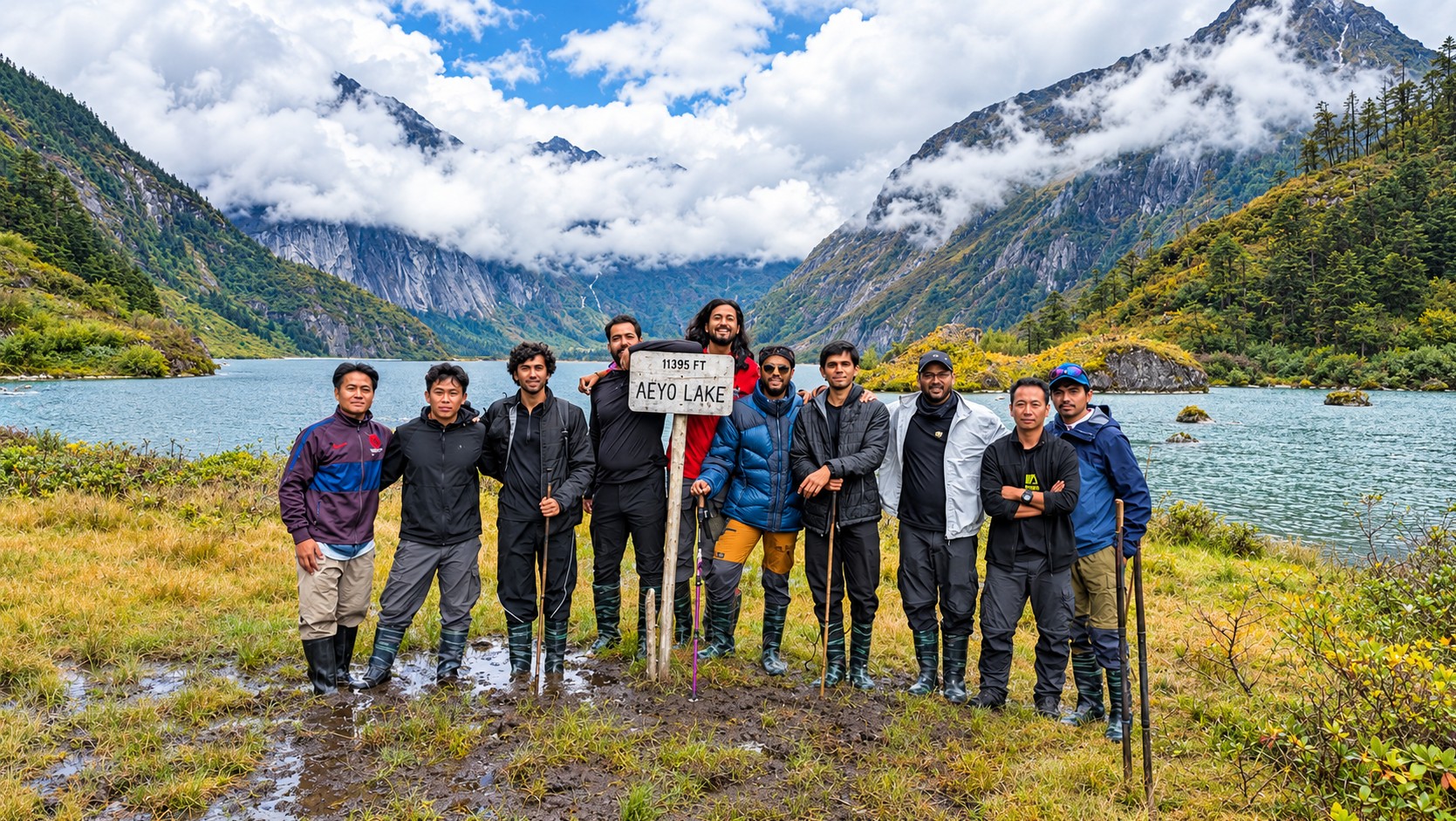
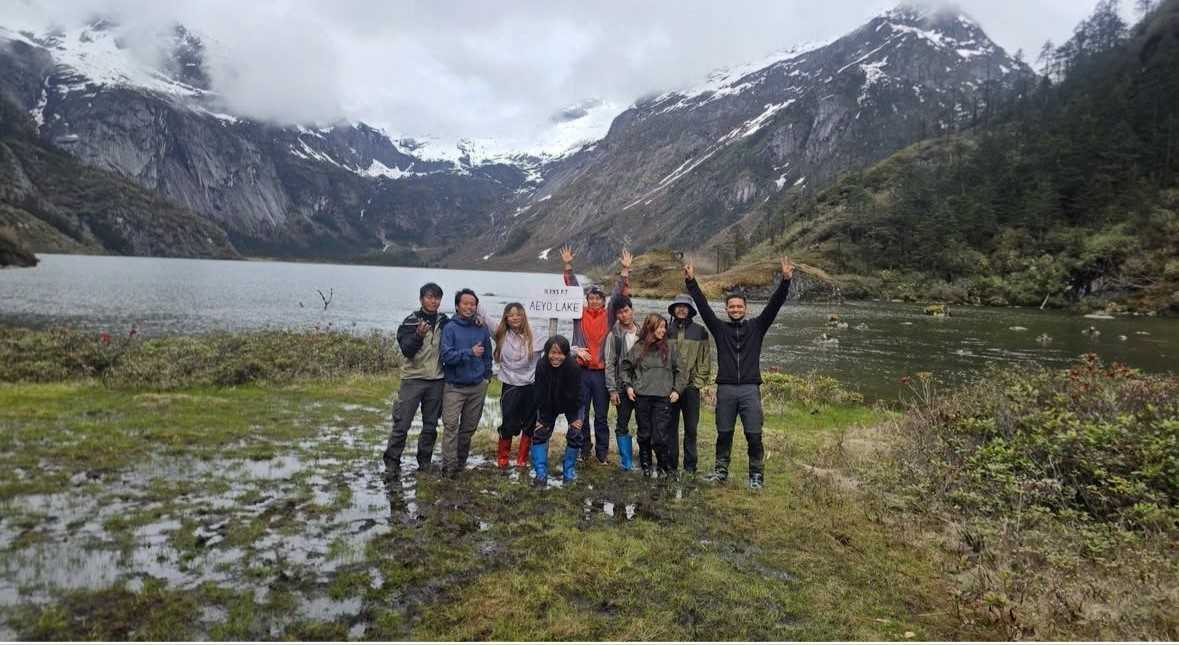
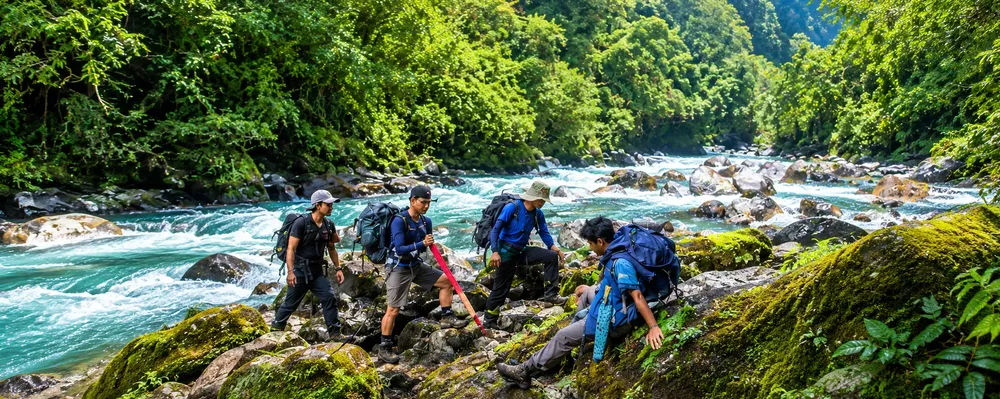
Power mostly comes from local supply, with a backup generator running alongside it specifically so your phone, camera, or power bank doesn’t die on you mid-festival. It’s not five-star-hotel reliable, but it’s dependable enough that charging isn’t something you need to stress about.Thinking Beyond Ziro? Once the essentials are sorted and you’ve got a few days figured out, it’s worth asking yourself if Ziro is the only stop on this trip. If you’ve got extra time and want to chase Arunachal’s wilder, less-visited corners, Anini Valley of Waterfalls is one of the most rewarding detours — dramatic cascades, remote terrain, and barely any crowds - Things to Do Beyond the Music: Ziro Valley Activities
Anini Valley Of Waterfalls Post Ziro Festival Of Music Group Tourencampadventures.comThe festival is the headline, but Ziro has a quieter side worth carving out time for. A few half-day add-ons that turn a festival trip into a proper valley experience:
- Village walks — wander through Apatani settlements on foot, past traditional bamboo houses, with a local guide filling in the stories you’d otherwise miss.
- Ziro Valley sightseeing — a half-day loop covering the valley’s viewpoints, paddy fields, and pine groves, ideal if you only have one free morning between festival sets.
- Fishing in the paddy field — yes, actual fishing in the rice fields, using the Apatani’s traditional integrated rice-fish farming method. Equal parts novelty and genuinely relaxing.
- Winery visit and tasting — Ziro’s homegrown kiwi and plum wines are a local specialty worth sampling, especially after a long day of walking.
These can be added directly to your camping package at checkout, so you don’t need to arrange them separately.
Ziro Valley Camping Packages: Budget to Luxury
Whether you’re watching your budget or want the more premium setup, there’s usually a package that fits:
- Short stays (2N/3D) — ideal if you’re flying in just for the festival weekend. The most budget camping Ziro friendly option.
- Mid-length stays (3N/4D) — the sweet spot for most festival-goers, giving you a buffer day to explore the valley.
- Extended stays (4N/5D and beyond) — for travelers who want to pair the festival with village walks, paddy field visits, or a winery tasting on the side.
Packages typically include your tent stay, breakfast, campsite facilities, and a village walk activity, with optional add-ons like Ziro Valley sightseeing, fishing in the paddy fields, or pickup and drop from Naharlagun, Guwahati, or Holongi Airport.
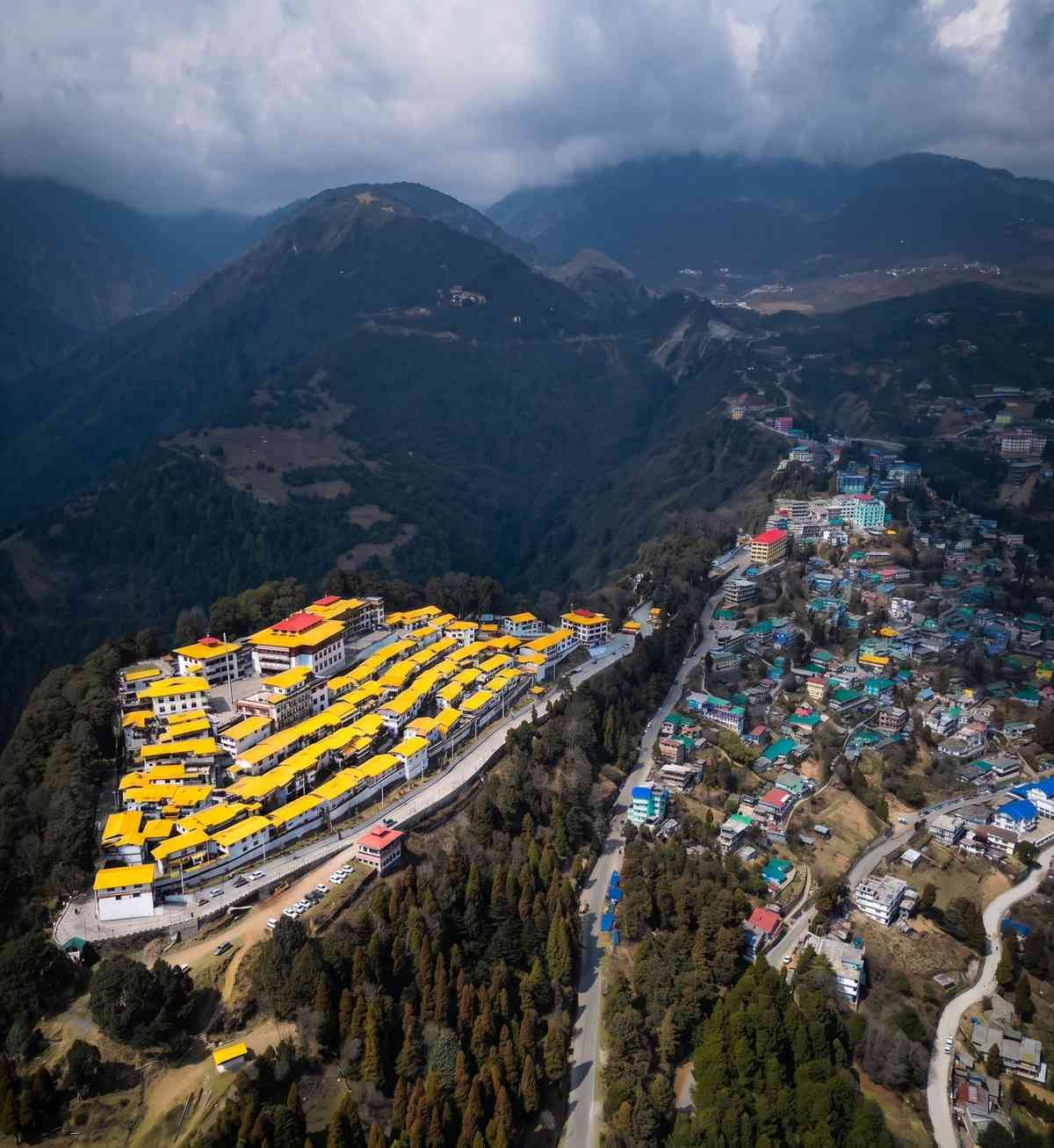
Pricing shifts as tent availability drops closer to festival dates, so if you’re chasing affordable camping Arunachal rates, the smart move is to book camping Ziro online early rather than waiting it out. Check current rates and camping packages Ziro Valley availability directly before locking in your dates.Want to turn this into a longer expedition? From Ziro to Tawang - Land of the Monpos takes you from paddy fields to Buddhist monasteries in the high mountains -
encampadventures.com/arunachal-pradesh/itineraryv2/from-ziro-to-tawang-journey-into-the-land-of-the-monpasencampadventures.com/arunachal-pradesh/itineraryv2/from-ziro-to-tawang-journey-into-the-land-of-the-monpas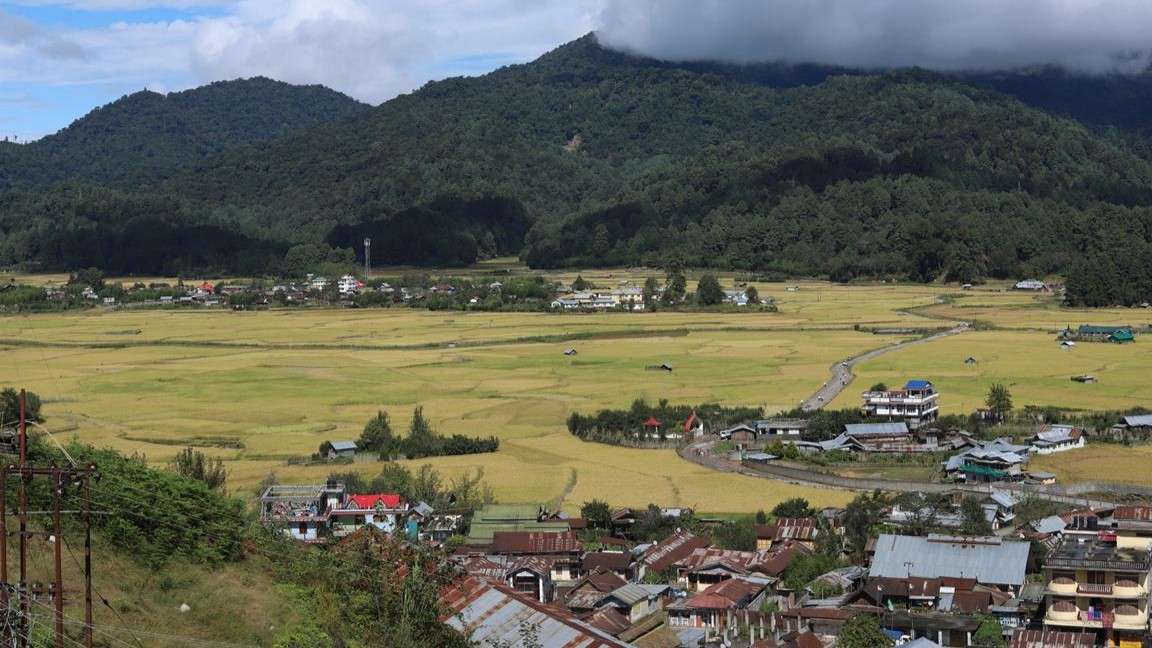
How to Reach Ziro Valley + Permits You’ll Need
Getting to Ziro takes a bit of planning, but it’s far from impossible.
- By train (most popular)
- Take the overnight Donyi Polo Express from Guwahati to Naharlagun, then a shared taxi for the remaining 3 hours to Ziro.
- By air
- Fly into Holongi (Itanagar), Lilabari, or Dibrugarh, then continue by road — anywhere from 3.5 to 5 hours depending on the airport.
- By road
- Drive or taxi in from Guwahati (around 9 hours), Naharlagun (around 3 hours), or Dibrugarh (around 5 hours). The roads are scenic but rough in patches, so build in some buffer time.Prefer the scenic route in? Check out our Ziro Festival of Music Road Trip Ex- Guwahati for a guided drive straight to the festival - encampadventures.com/arunachal-pradesh/itineraryv2/ziro-festival-of-music-road-trip-ex-guwahatiPermits — don’t skip this:
- Indian citizens (non-Arunachal residents) need an Inner Line Permit (ILP), available online or from designated state offices.
- Foreign nationals need a Protected Area Permit (PAP), available through Indian missions abroad or FRRO offices.
Sort these out before you travel — they’re non-negotiable for entry into Arunachal Pradesh.
Packing Tips From Someone Who’s Done ItA well - packed bag makes a real difference on any Ziro Valley camping trip - here’s what you’ll genuinely thank yourself for bringing.
- Layered clothing — days are warm, nights drop fast.
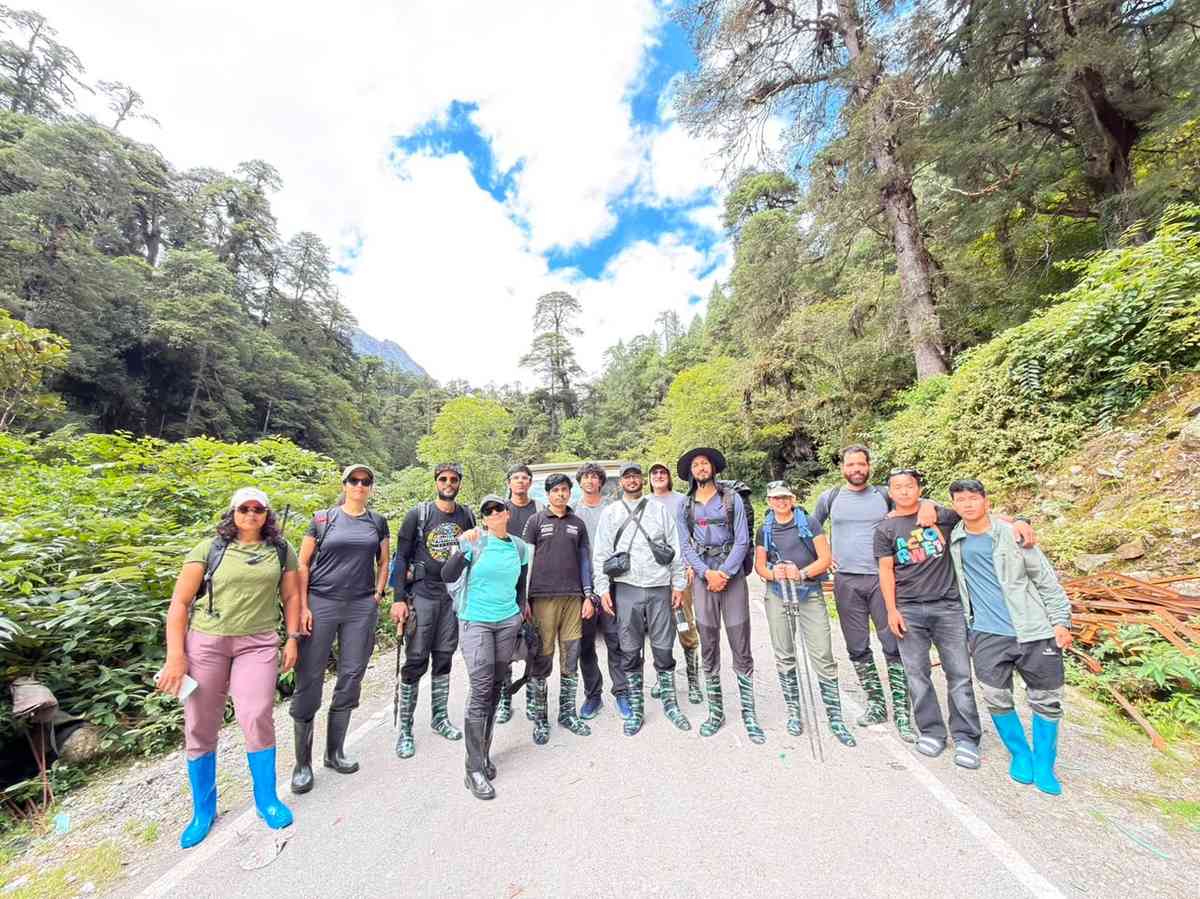
- Gumboots — a small but essential part of camping in Arunachal Pradesh, since the campsite ground is naturally soft and turns muddy quickly after rain.
- A power bank — network coverage is patchy, and you’ll want your phone charged for photos, not signal-chasing.
- Cash — ATMs are limited and can run dry during festival days.
- An appetite for local food — tribal cuisine, momos, and rice beer are part of the Ziro camping experience, not just a side note.
Quick Answers: FAQs About Camping at Ziro
1. Is solo camping at Ziro Valley safe ?
Yes — tents are gender-segregated for solo guests, and campsites run 24/7 on-ground support.
2. What’s the best time for Ziro Festival camping?
Late September, timed with the Ziro Music Festival, is peak season — though the valley is camp worthy through much of the year for a quieter trip.
3. Do I need a permit to camp at Ziro?
Yes. Indian travelers need an ILP, foreign nationals need a PAP — arrange both in advance.
4. Can I bring my own tent?
Yes, the BYOT option lets you pitch your own gear on-site while still using all campsite facilities.
Ziro doesn’t ask for much — just a tent, decent shoes, and a willingness to slow down. Everything else, the valley takes care of.From dome tents to bamboo bonfire nights, camping at Ziro Valley is one experience that’s hard to replicate anywhere else in the Northeast.
Ready to book your spot? Browse current Ziro camping packages and lock in your dates before tents run out for the season.
About Author
Ratan Kumar is the CEO of Encamp Adventures, where he leads the team in curating travel experiences across North East India, with a focus on helping travelers experience the region authentically rather than as just another stop on a checklist.
About Encamp Adventures
- 21,000+ travellers served
- Community tourism expertise
- Climate - first travel initiatives
- Northeast India specialization
About Carbon Trace
Beyond curating trips to festivals like Hornbill, Encamp Adventures also powers Carbontrace.in, a sustainability and carbon intelligence platform that helps businesses, communities, and individuals measure, offset, and monetize their carbon footprint using satellite-based geospatial analytics, verified carbon credits, and blockchain-backed reporting. It’s part of a bigger mission: making sure the same communities that keep cultural treasures like the Hornbill Festival alive also benefit from transparent, verifiable climate action.