

Kailash Mansarovar Weather
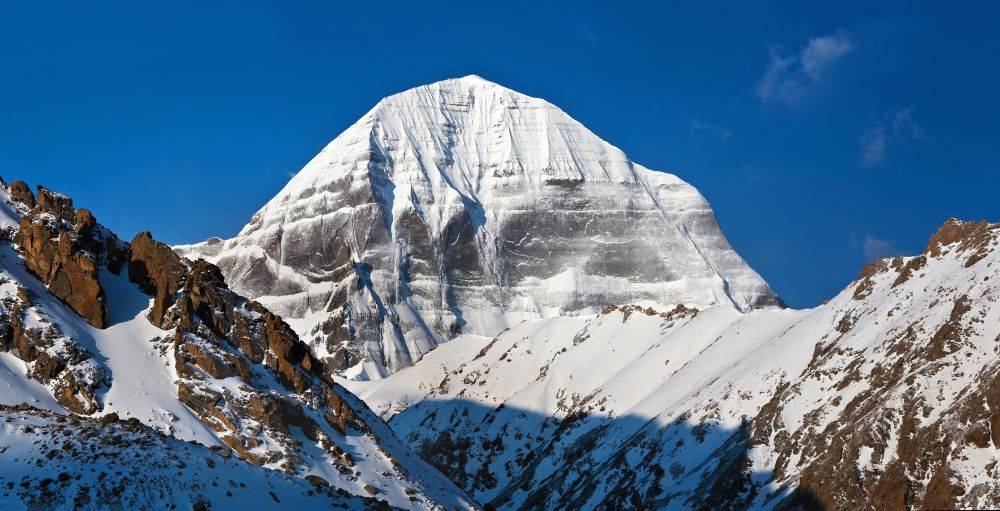
The Kailash Mansarovar weather is cold, windy and highly unpredictable throughout the year because the region lies on the Tibetan Plateau at an altitude of about 4,590 metres above sea level.
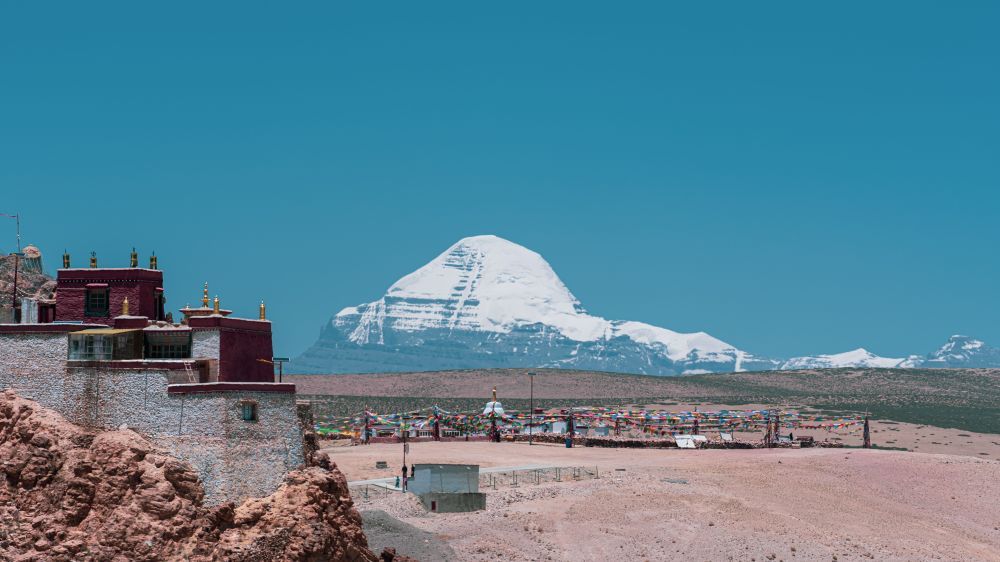
Mount Kailash and Lake Mansarovar experience extreme climatic conditions due to the high altitude and remote Himalayan environment. Even during the travel season, temperatures remain low and sudden weather changes are common.
Understanding the weather conditions around Mount Kailash and Mansarovar Lake is essential for pilgrims planning the Kailash Mansarovar Yatra.
Kailash Mansarovar Temperature Overview
Temperatures in the Kailash Mansarovar region remain cold throughout the year. Even during the pilgrimage season, mornings and nights can feel extremely chilly.
Season Average Temperature Weather Conditions Summer (May to September) 5°C to 15°C Cool days, cold nights Winter (October to April) -20°C to 5°C Snowfall and freezing temperaturesThe thin air and strong winds of the Tibetan plateau can make temperatures feel colder than they actually are.
Weather at Lake Mansarovar
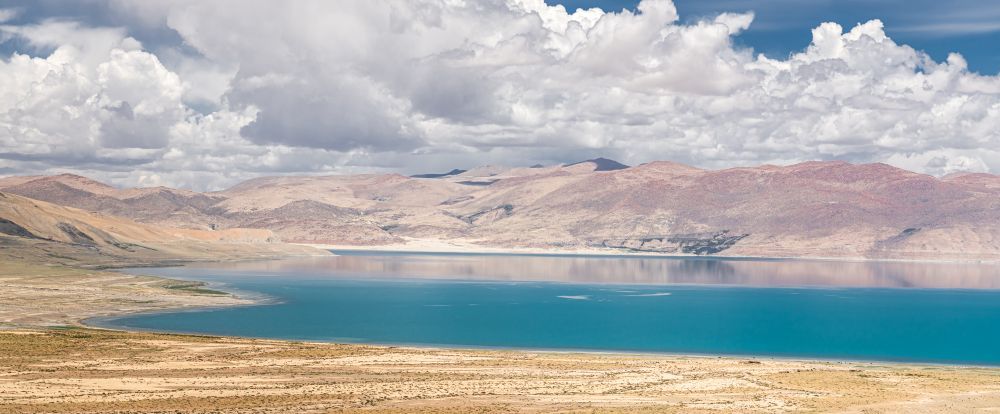
Lake Mansarovar sits at an altitude of nearly 4,590 metres, making the surrounding environment cold even during summer months.
Typical conditions near Mansarovar Lake include:
- Cold mornings and evenings
- Clear skies with strong sunlight during the day
- Windy conditions in the afternoon
- Sudden temperature drops after sunset
Pilgrims often notice significant temperature changes between daytime travel and nighttime rest stops.
Mansarovar Temperature by Month
May
- Temperature ranges between 5°C and 12°C.
- Snow begins melting and travel routes gradually open.
June
- Temperature ranges between 8°C and 15°C.
- Clear skies and relatively stable travel conditions.
July
- Temperature ranges between 10°C and 15°C.
- Weather remains cool with occasional cloud cover.
August
- Temperature ranges between 8°C and 14°C.
- Conditions remain suitable for pilgrimage travel.
September
- Temperature drops to 5°C to 10°C.
- Cold winds begin returning as the travel season ends.
Weather Conditions During Kailash Parikrama
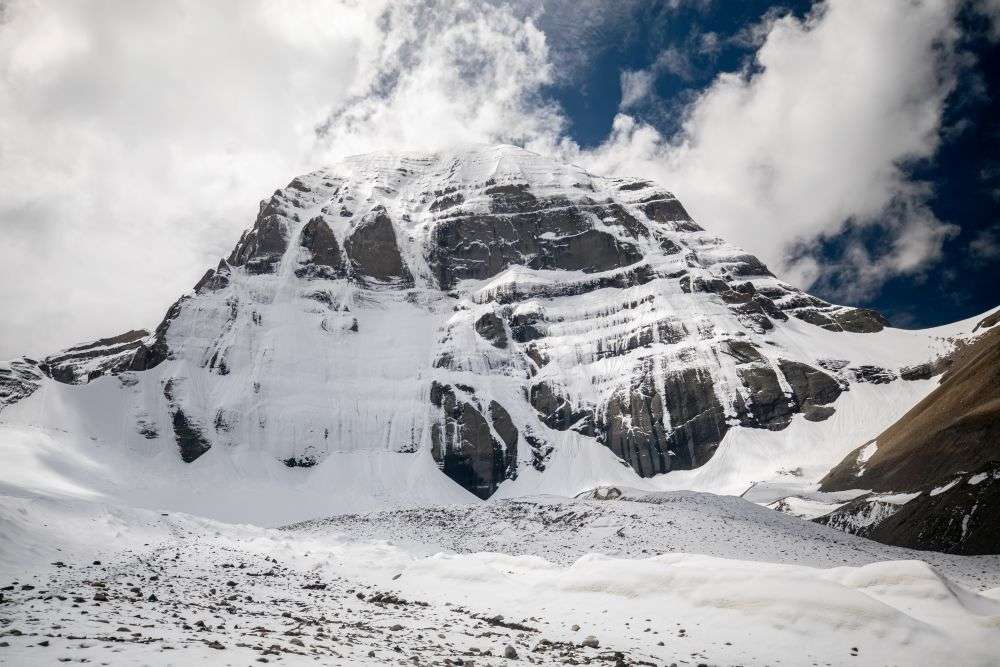
The Kailash Parikrama trek takes pilgrims around Mount Kailash and passes through very high altitude terrain.
Important weather factors during the Parikrama include:
- Strong mountain winds
- Low oxygen levels
- Sudden snowfall or rain
- Freezing nights
The highest point of the trek is Dolma La Pass at 5,630 metres, where temperatures can fall below freezing even during summer.
Proper acclimatisation is essential before attempting the Parikrama.
Common Weather Challenges During the Yatra
Travellers should be prepared for several weather-related challenges during the Kailash Mansarovar journey.
High Altitude Conditions
Low oxygen levels can cause altitude sickness if travellers do not acclimatise properly.
Sudden Weather Changes
Mountain weather can change quickly from sunny to cloudy or snowy.
Cold Nights
Even during the travel season, temperatures can fall below freezing after sunset.
Strong Winds
The Tibetan plateau often experiences powerful winds, particularly during the afternoon.
What to Pack for Kailash Mansarovar Weather
Preparing for the weather conditions is crucial for a safe pilgrimage.
Recommended clothing and gear include:
- Thermal inner layers
- Down jacket or insulated jacket
- Windproof outer layer
- Woollen gloves and cap
- Warm trekking socks
- High quality trekking shoes
- Sunglasses and sunscreen
Layered clothing works best for adapting to changing temperatures during the journey.
Responsible Travel in the Kailash Mansarovar Region
Mount Kailash and Lake Mansarovar are located in a fragile Himalayan ecosystem. Pilgrims should travel responsibly and respect the sacred environment.
- Avoid plastic waste
- Respect Tibetan monasteries and local culture
- Follow designated travel routes
- Choose tour operators who promote sustainable travel
Responsible pilgrimage helps protect the spiritual and ecological importance of the Kailash Mansarovar region.
Planning Your Journey with Encamp Adventures
Travelling to Kailash Mansarovar requires careful preparation due to altitude and weather conditions. Encamp Adventures helps pilgrims prepare for these challenges by organising guided Kailash Mansarovar journeys, offering support with acclimatisation planning, route logistics and travel preparation.
With experienced guidance and responsible travel practices, pilgrims can focus on the spiritual significance of the Yatra while navigating the demanding mountain environment safely.
Plan Your Kailash Mansarovar Yatra with the Right Weather Window
Get a detailed itinerary based on the best season, temperature and safe travel conditions for a smooth pilgrimage.
Check Yatra ItineraryFinal Thoughts
The Kailash Mansarovar weather and temperature conditions play an important role in planning a safe pilgrimage. The high altitude environment brings cold temperatures, strong winds and sudden climate changes.
By understanding the weather conditions and preparing properly, pilgrims can complete the sacred journey to Mount Kailash and Lake Mansarovar safely while respecting the fragile Himalayan environment.
FAQs About Kailash Mansarovar Weather
1. What is the temperature at Kailash Mansarovar?
Temperatures usually range between 5°C and 15°C during the travel season, but nights can drop below freezing.
2. Does it snow at Kailash Mansarovar?
Yes. Snowfall occurs frequently in winter and can sometimes happen at high passes even during summer.
3. How cold is Mount Kailash?
The region around Mount Kailash can experience temperatures below 0°C at night, even during the Yatra season.
4. Is Lake Mansarovar frozen in winter?
Yes. Lake Mansarovar freezes during winter due to extremely low temperatures.
5. Why is the weather at Kailash Mansarovar unpredictable?
The region lies at very high altitude on the Tibetan plateau, where weather can change rapidly due to mountain winds and atmospheric conditions.