

Mansarovar Lake Mystery
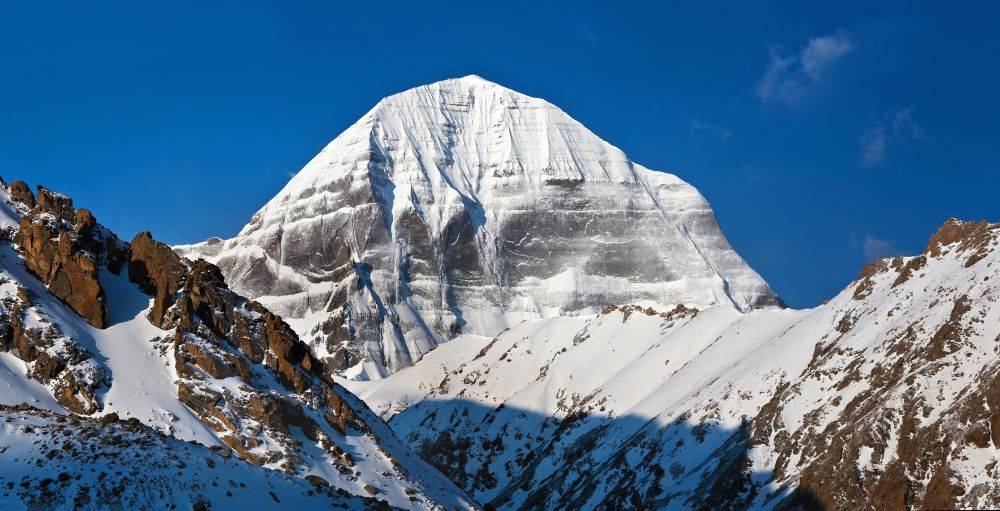
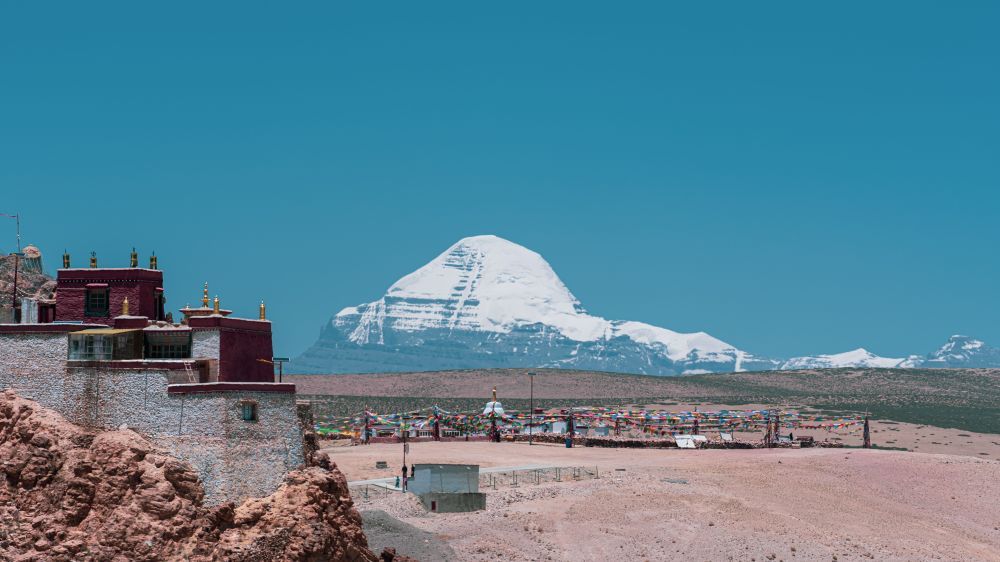
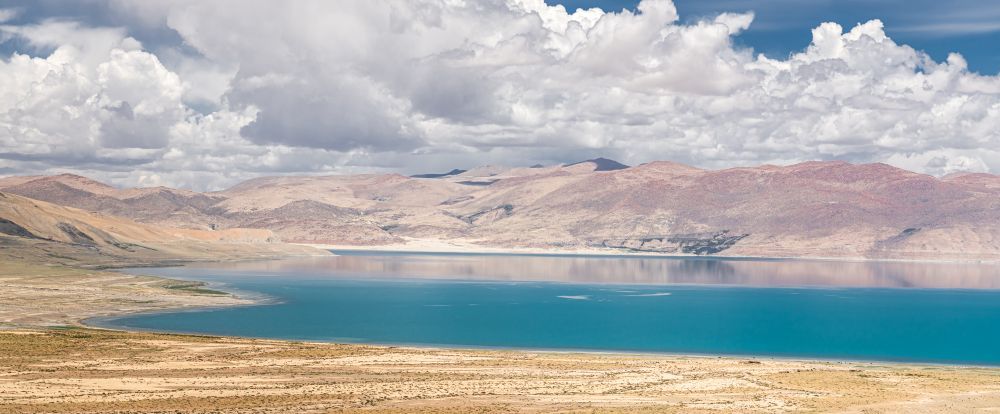
Lake Mansarovar, located near Mount Kailash in Tibet, is one of the most mysterious and spiritually significant lakes in the world. For thousands of years, pilgrims from different religions have travelled to this remote Himalayan region seeking spiritual purification, enlightenment and divine blessings.
What makes the Mansarovar Lake mystery so fascinating is that multiple religions share deep spiritual stories connected to the lake. Hinduism, Buddhism, Jainism and the ancient Bon religion all consider the lake sacred, yet each tradition explains its mystery in a unique way.
These overlapping beliefs have turned the region into one of the most mysterious spiritual landscapes on Earth.
The Hindu Mystery of Mansarovar Lake
In Hindu tradition, the story of Mansarovar Lake is deeply connected with Lord Brahma and Mount Kailash.
According to ancient scriptures, Lord Brahma first created the lake in his mind before manifesting it on Earth. The name “Mansarovar” itself comes from Sanskrit: Manas meaning mind & Sarovar meaning lake
This belief suggests that the lake represents a divine manifestation of pure consciousness.
Hindu pilgrims believe several mysteries surround the lake:
The water of the lake is believed to cleanse sins accumulated over many lifetimes
Many devotees claim to experience spiritual visions while meditating near the lake
Some believe the lake reflects the spiritual energy of Mount Kailash
Another mysterious belief is that the gods descend to the lake during certain nights, especially during full moon periods.
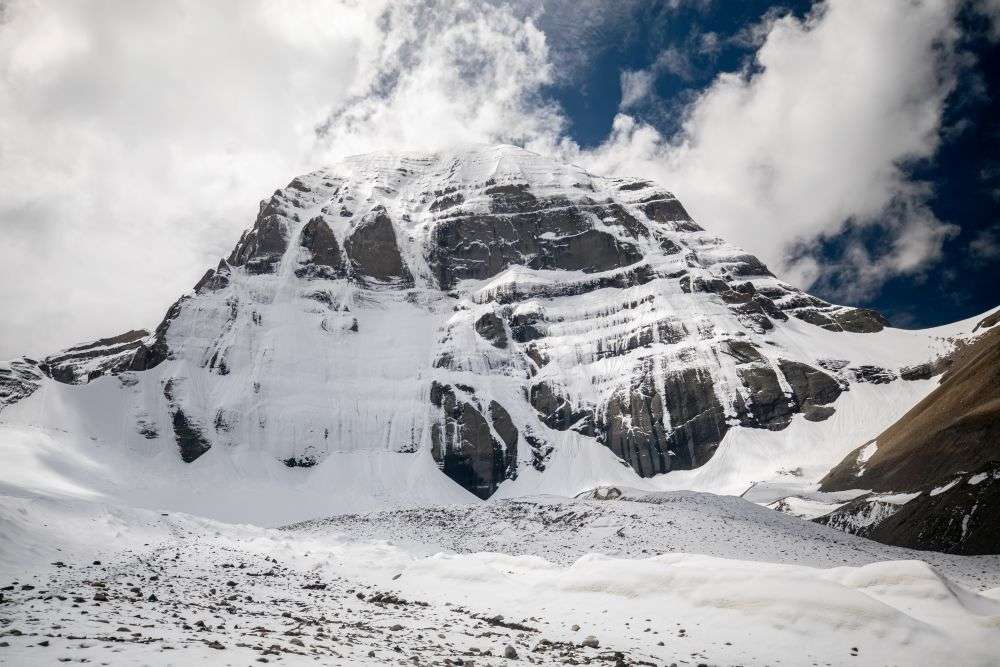
Because of these beliefs, thousands of Hindu pilgrims perform a sacred bath in Mansarovar before starting the Kailash Parikrama, the holy circumambulation of Mount Kailash.
The Buddhist Mystery of Lake Mansarovar
In Buddhism, the lake holds profound symbolic meaning related to enlightenment and spiritual purity.
Tibetan Buddhists call the lake Mapam Yumtso, meaning “The Unconquerable Lake”.
According to Buddhist tradition:
- The lake is associated with Queen Maya, the mother of Buddha
- Some texts suggest that divine beings meditate in the surrounding mountains
- The calm surface of the lake represents the state of a perfectly peaceful mind
Many Tibetan monks believe that the lake contains hidden spiritual energy, and meditating near its shores helps deepen awareness and clarity.
Another mystery often mentioned in Buddhist lore is that certain monks have reported seeing unusual light reflections or rainbow patterns over the lake, interpreted as signs of spiritual presence.
The Jain Mystery of Mansarovar
Jain tradition connects the region around Mount Kailash and Mansarovar with the spiritual journey of Rishabhadeva, the first Jain Tirthankara.
According to Jain beliefs:
- Rishabhadeva attained liberation near Mount Kailash, at a place called Ashtapada
- The lake is considered a sacred site associated with spiritual awakening
Some Jain pilgrims believe that the peaceful environment of Mansarovar symbolises the ultimate goal of Jain philosophy: complete detachment from worldly suffering.
The mystery in Jain tradition lies in the belief that the region still holds spiritual vibrations connected to ancient enlightened beings.
The Bon Religion Mystery of Mansarovar
Before Buddhism spread across Tibet, the indigenous Bon religion considered Mount Kailash and Mansarovar the centre of the universe.
Bon followers believe:
- Mount Kailash is the seat of the sky goddess Sipaimen
- Sacred spirits and ancient deities inhabit the surrounding mountains and lakes
Bon pilgrims perform rituals around the lake similar to the Kailash Parikrama but often walk in the opposite direction, symbolising their unique spiritual tradition.
One of the biggest mysteries in Bon belief is that the region acts as a gateway between the physical world and the spiritual realm.
The Mystery of Two Opposite Lakes
Near Mansarovar lies another lake called Rakshastal, which adds another layer to the mystery.
The two lakes are very close to each other but have completely different characteristics.
Lake Mansarovar:
- Freshwater lake
- Associated with purity and spirituality
Rakshastal Lake:
- Saltwater lake
- Associated with darker mythological stories
In Hindu mythology, Rakshastal is linked to Ravana, the king of Lanka, who meditated near Mount Kailash.
The contrast between these two lakes symbolises the balance between positive and negative forces in the universe.
Natural Mysteries Observed by Travellers
Many travellers visiting the lake have described unusual natural experiences that add to its mysterious reputation.
Some commonly reported phenomena include:
- Sudden weather changes around Mount Kailash
- Unique reflections of clouds and sunlight on the lake
- Extremely calm water surface even during windy conditions
Scientists attribute these effects to the region’s high altitude environment, atmospheric conditions and glacial water sources.
However, many pilgrims still believe these occurrences have spiritual significance.
Why the Mansarovar Lake Mystery Continues to Fascinate People
What makes Mansarovar unique is not just its location or natural beauty, but the fact that four different religions share deep spiritual connections to the same place.
Each religion tells its own story about the lake, yet all traditions agree on one belief:
The region around Mount Kailash and Lake Mansarovar is spiritually powerful.
This shared reverence has turned the area into one of the most mysterious and sacred pilgrimage sites in the world.
Responsible Travel to the Sacred Lake
Lake Mansarovar lies in a fragile Himalayan ecosystem with limited infrastructure.
Travellers and pilgrims should follow responsible travel practices:
- Avoid plastic waste
- Respect local Tibetan traditions
- Follow environmental guidelines
- Travel with responsible operators
Protecting the environment ensures that the sacred lake remains preserved for future pilgrims.
Visiting Mansarovar with Encamp Adventures
For travellers seeking a well organised pilgrimage, Encamp Adventures offers guided Kailash Mansarovar journeys that combine spiritual exploration with responsible travel practices.
These journeys help pilgrims navigate high altitude travel, permits and route planning while respecting the cultural and environmental significance of the region.
Experience the Spiritual Journey of Kailash Mansarovar
Explore the sacred stories, ancient beliefs and plan your journey to witness the mystical beauty of Mansarovar Lake.
Start Your Sacred JourneyFAQs About Mansarovar Lake Mystery
1. Why is Mansarovar Lake mysterious?
The lake is considered mysterious because multiple religions describe it as a sacred place created through divine or spiritual forces.
2. Why is Mansarovar Lake sacred in Hinduism?
Hindu belief says Lord Brahma created the lake from his mind, making it a symbol of divine consciousness.
3. Why do Buddhists consider Mansarovar sacred?
Buddhists associate the lake with spiritual purity and enlightenment.
4. What is the connection between Mount Kailash and Mansarovar?
Mount Kailash is considered the spiritual centre of the universe, and Lake Mansarovar is believed to reflect its sacred energy.
5. What is the mystery of Rakshastal Lake?
Rakshastal is a nearby saltwater lake associated with mythological stories about Ravana and darker spiritual forces.
6. What is the mystery of Mansarovar Lake?
The mystery of Mansarovar Lake comes from its spiritual significance in Hinduism, Buddhism, Jainism and Bon religion, along with unusual natural phenomena observed near Mount Kailash.
7. Why is Mansarovar Lake considered sacred?
Mansarovar Lake is considered sacred because it is believed to have been created by Lord Brahma and is closely connected to Mount Kailash, one of the most important spiritual mountains in the world.
8. Where is Mansarovar Lake located?
Mansarovar Lake is located in the Tibet Autonomous Region of China near Mount Kailash at an altitude of about 4,590 metres above sea level.
9. Why is Mount Kailash and Mansarovar mysterious?
Mount Kailash and Mansarovar are mysterious because no one has successfully climbed Mount Kailash, and the region is surrounded by ancient religious stories, unexplained natural phenomena and strong spiritual beliefs.
10. What is the story of Mansarovar Lake in Hinduism?
According to Hindu mythology, Lord Brahma created Mansarovar Lake in his mind before manifesting it on Earth, which is why the name Mansarovar means “lake of the mind”.
11. What is the Buddhist belief about Mansarovar Lake?
In Buddhism, Mansarovar Lake symbolises purity of mind and spiritual awakening, and it is believed that meditating near the lake helps achieve inner clarity.
12. What is the Jain connection to Mount Kailash and Mansarovar?
Jain tradition believes that the first Tirthankara, Rishabhadeva, attained liberation near Mount Kailash, making the region sacred for Jain pilgrims.
13. Why are Mansarovar and Rakshastal different?
Lake Mansarovar is freshwater and symbolises purity, while nearby Rakshastal is saltwater and is associated with mythological stories about Ravana.
14. Can pilgrims bathe in Mansarovar Lake?
Yes. Many pilgrims take a ritual bath in Mansarovar Lake during the Kailash Mansarovar Yatra because it is believed to purify the soul.
15. Why do people travel to Mansarovar Lake?
People travel to Mansarovar Lake to complete the Kailash Mansarovar Yatra, perform spiritual rituals and experience the sacred landscape around Mount Kailash.
16. What makes the Kailash Mansarovar region spiritually powerful?
Many traditions believe Mount Kailash is the centre of spiritual energy on Earth, and Lake Mansarovar reflects that divine power.
17. Is Mansarovar Lake one of the highest lakes in the world?
Yes. Lake Mansarovar is one of the highest freshwater lakes in the world, located at about 4,590 metres above sea level.
18. Why is Mount Kailash never climbed?
Mount Kailash is considered sacred in multiple religions, and climbing it is traditionally forbidden out of respect for its spiritual significance.
19. Why does the Mansarovar Lake mystery attract travellers?
The lake attracts travellers because of its ancient legends, religious importance and the unique natural environment surrounding Mount Kailash.