

Asar Pandra Festival Kalimpong: Monsoon Rice Planting Adventure
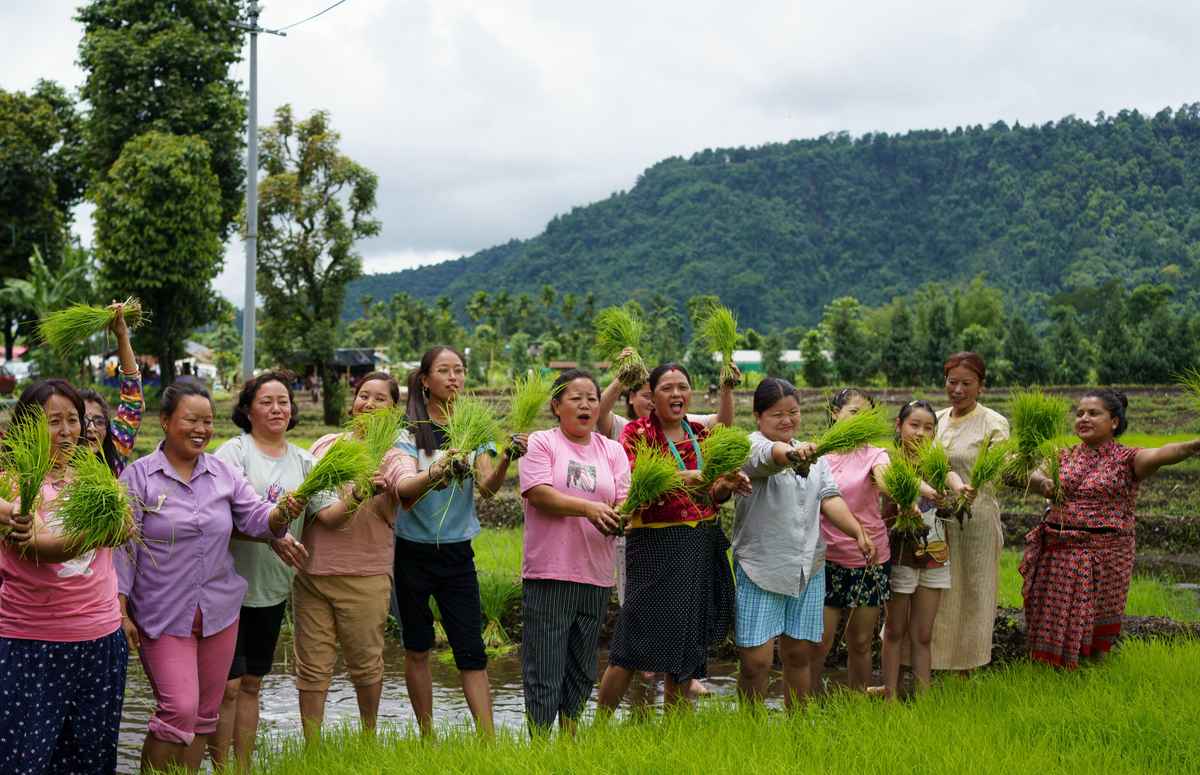
It is raining. You are barefoot. Warm mud is climbing up your ankles. Somewhere beside you, a farmer is laughing and showing you exactly how to push a tiny green seedling into the earth. Behind you, folk songs are echoing across misty mountain valleys. In front of you, endless emerald fields stretch all the way to the clouds.
This is Asar Pandra. And this is the best day of your entire trip.
Planning a wider Himalayan cultural escape? Extend your journey with our Kathmandu tour, where ancient temples, living heritage, and vibrant Nepali culture come together -
Kathmandu Tour 4n5d Unveiling The Soul Of Nepals Capitalencampadventures.comWhat is Asar Pandra?
Every year on the 15th day of Asar, the hills of Kalimpong explode with color, mud, music, and pure joy. This is the rice planting festival — ancient, alive, and completely unlike anything you have ever experienced.
For the Gorkha hill communities, rice is not just food. It is survival, identity, and soul. And on this one electric day, every farmer, every family, and every willing stranger comes together to plant the season’s first seeds side by side.
You are not a spectator here. You are a participant. You step into the fields, feel the warm sticky mud squish between your bare toes, and plant rice with people who welcome you like family. No ticket. No barrier. No distance between you and the real thing.
Planning to experience Asar Pandra for yourself? Check the official Asar Pandhra 2026 event details, dates, itinerary and village immersion experience in Parengtar -
muhaan.in/events/asar-pandhra-2026muhaan.in/events/asar-pandhra-2026Where Does the Magic Happen?
While tourists crowd the usual hill station spots, those who truly know head straight to Parengtar village in the Gorubathan block of Kalimpong district. This is ground zero for the most authentic Asar Pandra experience in the entire region.
Parengtar is special. The community here has quietly transformed this ancient agricultural tradition into a thriving eco-friendly festival — welcoming curious travellers while fiercely protecting the land, the culture, and the traditions that make it extraordinary. Come here and you will understand immediately why this place is one of the most exciting hidden gems in all of West Bengal.
How is Asar Pandra Celebrated?
The Muddiest, Happiest Party in the Hills
Forget everything you know about festivals. Asar Pandra does not happen on a stage. It happens in the fields, in the rain, knee-deep in mud, surrounded by laughter that needs no translation.
Neighbours arrive with tools, bullocks, and big smiles. Men guide the ploughs through heavy wet earth, draining channels and preparing the ground. Then the women step forward, moving in graceful rhythms, pressing bright green seedlings into the dark soil with practiced hands. And in between all of this — there is you, learning, laughing, and getting completely, gloriously muddy.
Folk Songs That Give You Goosebumps
As you work the fields, something magical fills the air. Farmers begin singing Asare bhaka — ancient, melancholic folk tunes that have been passed down through generations. These songs tell stories of monsoon hardships, impossible love, and the quiet pride of farming life. Hearing them live, under an open sky with rain on your face, is the kind of moment you will remember for the rest of your life.
Competitions That Get Your Blood Pumping
Think you can plant rice faster than a local farmer who has been doing it since childhood? Challenge accepted. Beyond the planting, the festival bursts into traditional competitions — mud wrestling, rice planting races, and folk dance performances that pull you off the sidelines and straight into the action.
The Feast That Makes Everything Better
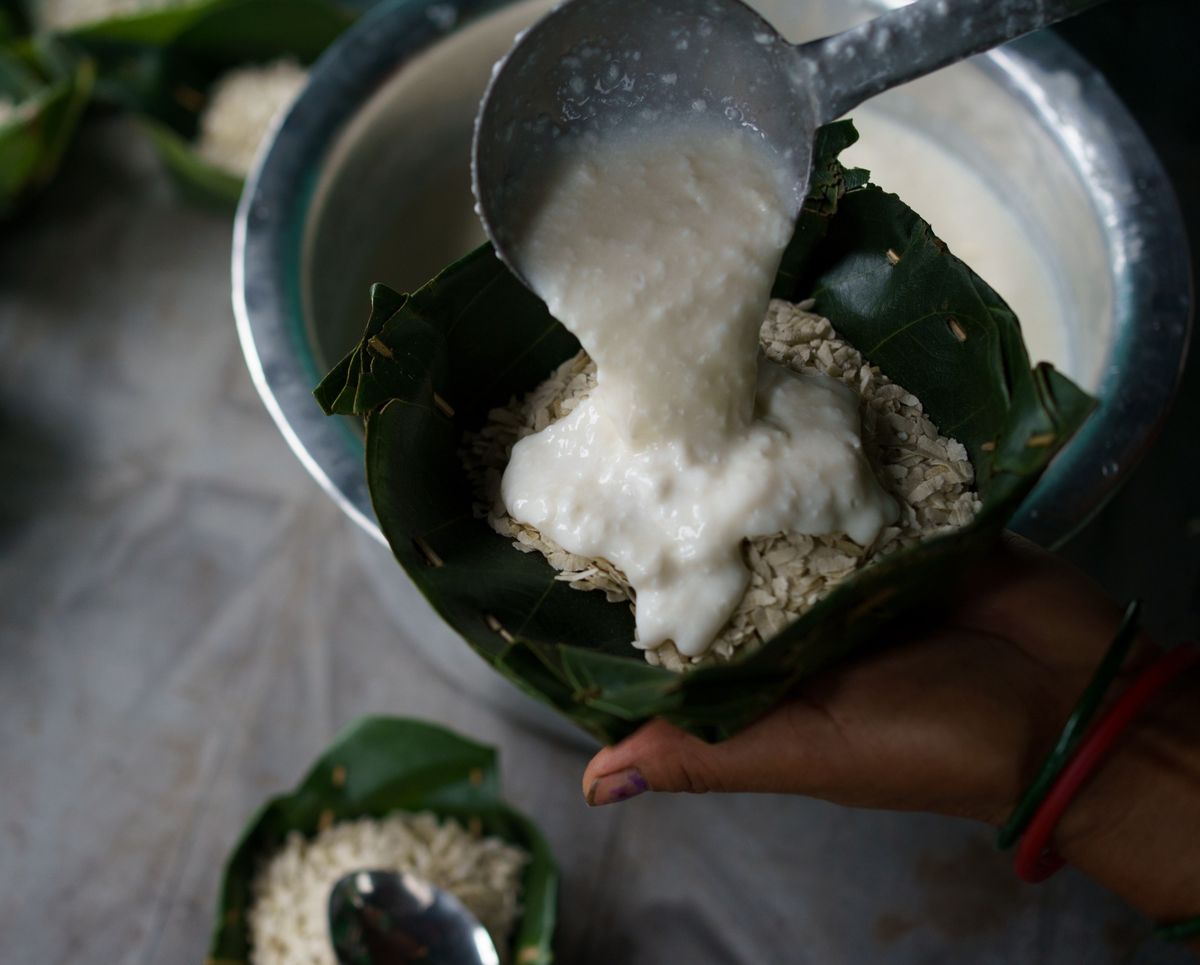
After hours of planting under a soft drizzle, you finally sit down on the grass. Someone hands you a clay bowl of cold creamy dahi piled high with crunchy chiura. Alongside it come tangy local pickles, fresh seasonal fruits, and a warm cup of Tongba — the beloved locally brewed millet drink that heats you from the inside out.
You are muddy. You are tired. You are surrounded by people you met just hours ago but who already feel like old friends. And somehow, nothing in any restaurant anywhere in the world will ever taste as good as this meal, right here, right now.
This is Dahi-Chiura Khane Din — and it is absolutely unforgettable.
If you want to experience more of Nepal’s mountain culture, take the journey further with our Mustang Valley, Muktinath and Jomsom tour, exploring dramatic landscapes, ancient monasteries, and high-altitude Himalayan communities -
encampadventures.com/nepal/itineraryv2/nepal-mustang-valley-muktinath-and-jomsom-tour-6n-7dencampadventures.com/nepal/itineraryv2/nepal-mustang-valley-muktinath-and-jomsom-tour-6n-7dCultural Etiquette — How to Be a Welcomed Guest
Asar Pandra is a living tradition, not a performance. Here is how to make sure your presence adds to the magic rather than disrupting it.
1. Ask before you join — Wait for an invitation before stepping into someone’s field. Locals are extraordinarily warm, but a moment of patience shows enormous respect.
2. Ask before you photograph — The festival is incredibly photogenic,but always seek permission before pointing your camera at individuals, especially women and elders.
3. Dress simply — Wear modest, light clothing you do not mind destroying. Leave the flashy outfits at the hotel.
4. Respect the fields — These are someone’s entire livelihood. Follow farmer guidance, step carefully, and never trample seedlings.
5. Go plastic-free — Parengtar takes sustainability seriously. Bring reusable bottles and carry your waste out with yo
6. Learn two words — A warm Namaste or Dhanyabad (thank you) in Nepali will open more doors and hearts than you can imagine.
Why You Must Visit Kalimpong During Monsoon
Most tourists run from the rain. You should run straight towards it.
The hills during monsoon are something else entirely — impossibly green, dramatically misty, raw, and alive in a way that the dry season simply cannot match. Waterfalls appear overnight. Valleys fill with cloud. The air smells of wet earth, cardamom, and something ancient and clean that no city can replicate.
And every June, while crowds fight for space on Darjeeling’s Mall Road, just 55 kilometres away the real magic of the hills is playing out in the muddy fields of Kalimpong — unseen, unhurried, and absolutely extraordinary.
This is your chance to ditch the tourist trail, heal your inner child by getting covered head to toe in mud, and experience the kind of authentic travel that most people only dream about.
Want to explore more of the Eastern Himalayas? Combine the hills of Kalimpong with our Sikkim–Darjeeling tour for a scenic journey through mountain landscapes, monasteries, and charming hill towns -
Sikkim Darjeeling 7 Nights 8 Days Private Tourencampadventures.comNearby Attractions — Stay Longer, Explore More
Kalimpong will surprise you with how much it offers beyond the festival. Add a few extra days and discover these incredible nearby gems.
- Lava and Lolegaon - these twin forest villages sit on the edge of Neora Valley National Park — one of the Eastern Himalayas’ richest biodiversity zones. Lolegaon’s famous canopy walkway through ancient oak and rhododendron forests is worth the trip alone.
- Gorubathan Only 30 kilometres from Kalimpong, this quiet valley town is surrounded by cardamom gardens and orange orchards. It is the kind of place that feels completely untouched — because it mostly is.
- Zang Dhok Palri Phodang Monastery One of Kalimpong’s most treasured sites, this beautiful monastery houses rare Tibetan scriptures and stunning thangka paintings. A peaceful, humbling place that quietly stays with you long after you leave.
- Deolo Hill A short drive from town, Delo Hill rewards early risers with jaw-dropping panoramic views of the Kanchenjunga range on clear mornings. Bring coffee. Bring your camera. Arrive before sunrise.
- Morgan House A gorgeously preserved colonial-era bungalow perched on a hilltop with manicured gardens and sweeping valley views. Even if you do not stay here, it is absolutely worth a visit.
If you have more time after exploring Kalimpong, continue into the mountains with our Enthralling North Sikkim tour, featuring dramatic landscapes, high-altitude valleys, monasteries, and remote Himalayan villages -
Enthralling North Sikkim 6 Nights 7 Days Private Tourencampadventures.comPractical Tips Before You Go
1. Go barefoot — Leave the sneakers behind. Deep clay mud will swallow them whole. Walk like the locals do — bare feet only.
2. Pack smart — Lightweight quick-drying clothes, a fresh outfit, a towel, and a plastic bag for your wet gear. You will need all of it.
3. Protect your electronics — Monsoon showers arrive without warning. Keep your phone, camera, and cash sealed inside heavy-duty waterproof pouches.
4. The oil trick — Rub a thin layer of mustard or coconut oil on your arms and legs before entering the fields. It stops sticky mud from clinging to your skin and makes washing up ten times easier.
Sustainable Travel — Leave Only Footprints
Asar Pandra is not just a festival. It is a model for what responsible tourism can look like when done right.
By showing up, you support local farmers, preserve ancient songs and food traditions, and prove that travel can create genuine good. Carry reusable bottles. Refuse plastic. Respect local customs. Spend your money locally. And leave Parengtar exactly as beautiful as you found it — so the next traveller gets to experience everything you just did.
Come Get Muddy
Asar Pandra does not wait. Every June, the rains arrive, the fields fill with music and laughter, and the community of Kalimpong gathers to celebrate something ancient, joyful, and completely real.
The only question is whether you will be there.
Pack light. Leave your inhibitions at home. And come get gloriously, wonderfully muddy in the most beautiful hills in India.
Your fields are waiting.
FAQs
1. what is Asar Pandra Festival?
Asar Pandra, also called Rice Planting Day (Ropain Diwas), is celebrated on Asar 15 with farming, songs, and food.
2. Why is Asar Pandra important?
It marks the start of monsoon rice planting and symbolizes prosperity.
3. What is Dahi Chiura tradition?
Eating yogurt and beaten rice, a ritual food for energy and good harvest.
4. How do people celebrate Asar Pandra?
By planting rice, singing folk songs, dancing, and enjoying mud games.
5. What are Asar Pandra rituals?
Rice planting, mud play, folk songs, and sharing Dahi Chiura.
6. What is Ropain Diwas?
Another name for Asar Pandra, meaning “Rice Planting Day.”
7. What is the cultural significance of Asar Pandra?
It connects communities, preserves farming traditions, and promotes tourism.
8. Can tourists join Asar Pandra Festival?
Yes, visitors can plant rice, join mud games, and enjoy local food.