

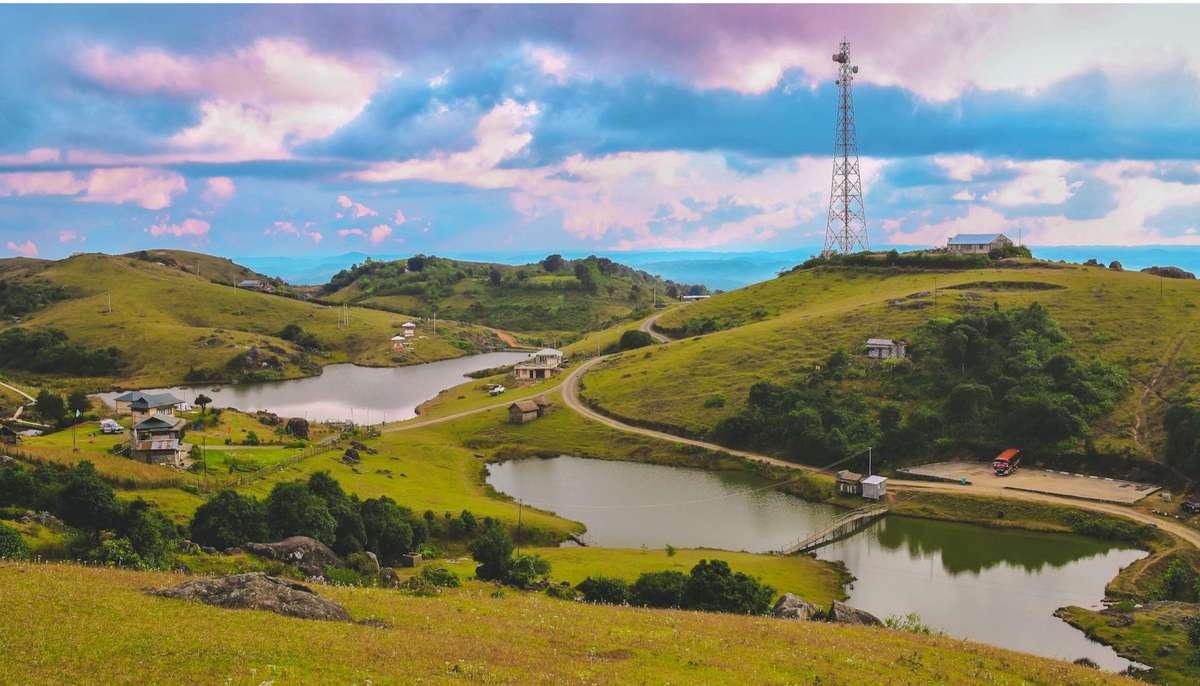
10 HIDDEN GEMS IN MEGHALAYA YOU MUST VISIT IN 2026 (Beyond Shillong & Cherrapunji)
Meghalaya is
more than just Shillong and Cherrapunji — its real magic lies far beyond the
popular tourist spots. Deep inside the Garo, Khasi and Jaintia hills lies a
wild, untouched world of misty canyons, hidden river caves and whistling
villages waiting to be explored. If you are looking for the best offbeat places
in Meghalaya, you have come to the right place.
Short on time? Turn these hidden gems into a Meghalaya Weekend Escape and experience the region’s waterfalls, caves, villages, and misty mountain landscapes in a compact itinerary - encampadventures.com/meghalaya/itineraryv2/meghalaya-weekend-tour-packages
Here are 10 breathtaking hidden gems in Meghalaya to add to your 2026 travel bucket list.
1. Living Root
Bridge - Natural Wonder of Meghalaya
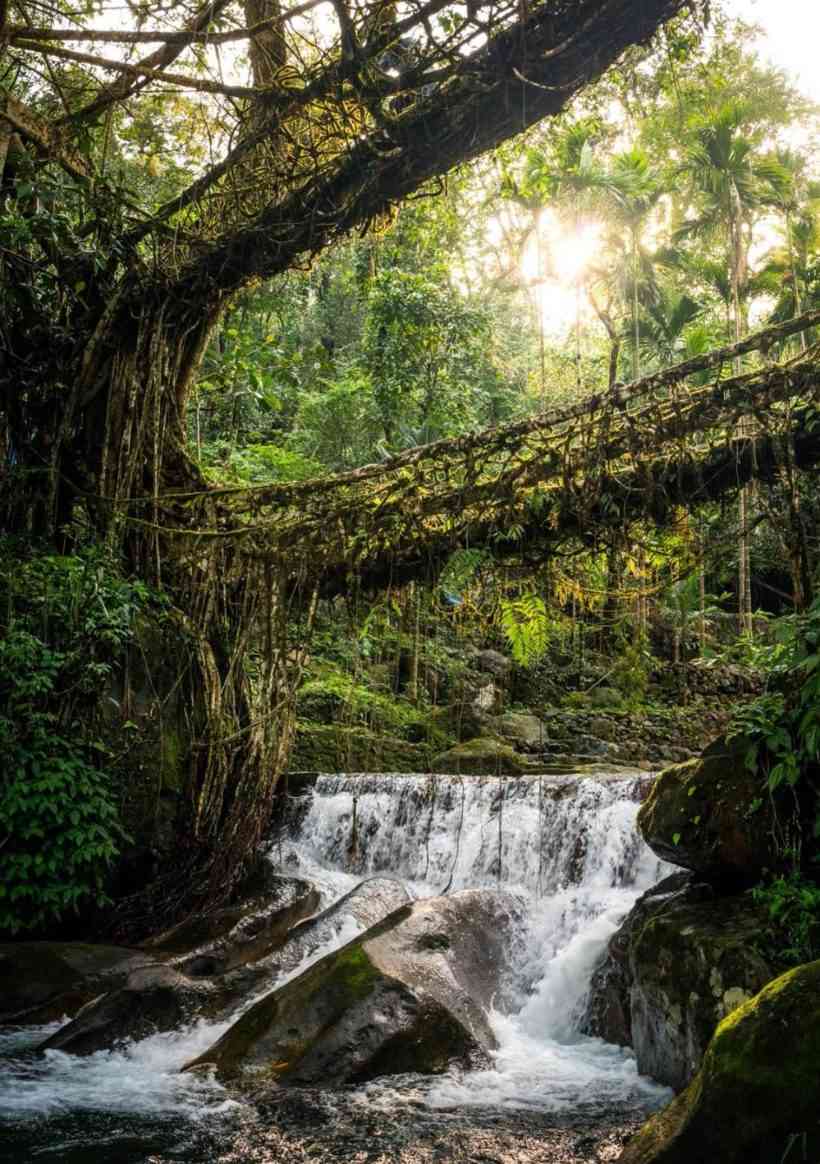
Hidden deep in
the jungles of Cherrapunji, Meghalaya’s living root bridges are one of India’s
most extraordinary natural wonders. Grown and shaped by the Khasi tribes over
generations, these ancient bridges are still very much alive, growing stronger
with every passing year.
Hidden in Nongriat village, the Double
Decker Living Root Bridge is a rare two-storey natural bridge crafted from
living tree roots — growing stronger every year and worth every step of the
trek down.
Location: East Khasi Hills
Distance: 65km from Shillong
Best Time to visit: October to April
Things to do: Swimming in natural crystal- clear rock
pools, birdwatching and exploring nearby caves and waterfalls.
Entry fees: ₹50 per person
2. Pung Lyer Falls – Jungle Waterfall Escape
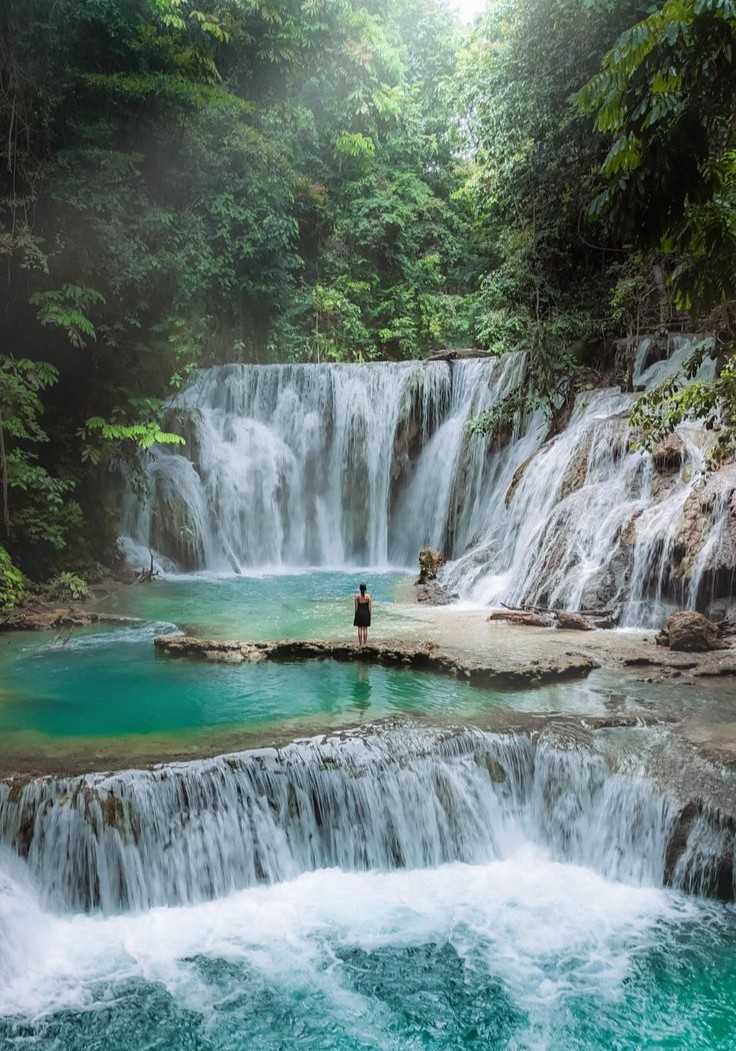
Escape the
tourist trails and discover Pung Lyer Falls, one of Cherrapunji’s best kept
hidden gems. A steep jungle trek leads you down to a multi-level haven of
rushing waterfalls and ancient tree root swings. It is a sacred, quiet corner
of Meghalaya that will steal a piece of your soul.
Location: East Khasi Hills
Distance: 15 km
from Cherrapunji and 8km from Garden of Caves
Best time to
visit: October to May
Things to do:
Trek through the jungle, swim in the natural pool, relax on a tree branch
swing, photography
Entry fee: ₹50
per person
Explore Pung Ilyer and discover one of Meghalaya’s lesser-known waterfall escapes, surrounded by jungle trails and natural pools - encampadventures.com/meghalaya/itineraryv2/pung-iyer-exploration-day-trip
3. Synrangkhit
– Four- Tier Hidden Waterfall
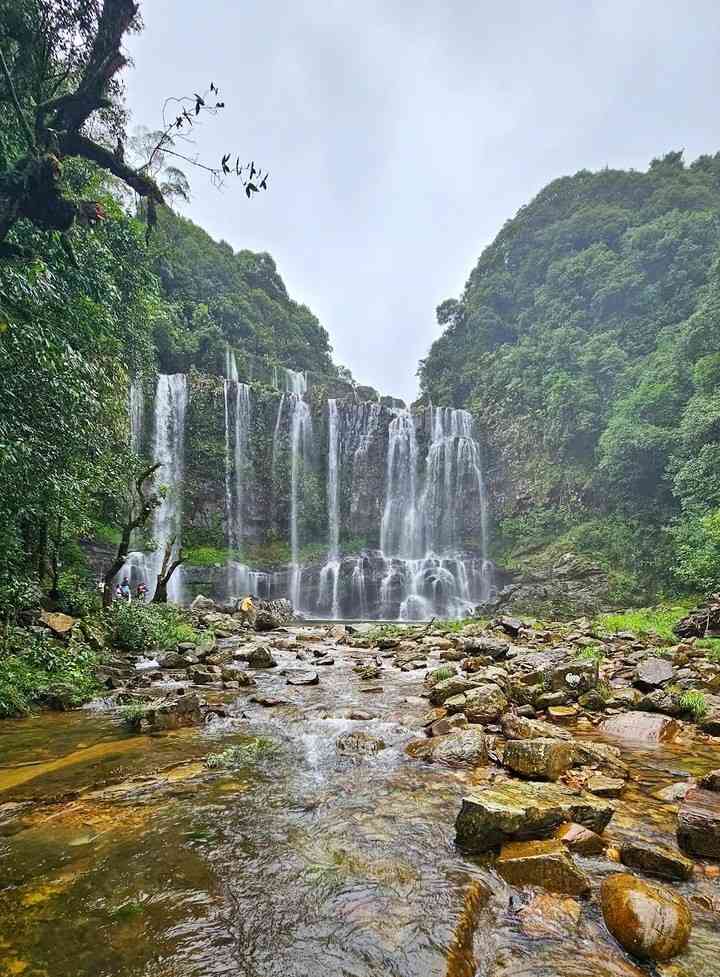
Synrangkhit is a
spectacular four-tiered hidden waterfall in Meghalaya, surrounded by thick,
untouched greenery. Each tiered drop empties into a calm, crystal-clear natural
pool. Surrounded by endless forest, it is a picture-perfect spot for nature
photography and relaxation.
Location: East Khasi Hills
Distance: 58 km
from Shillong
Best time to
visit: July to November
Things to do:
Trekking, exploration, photography
Entry fees:
₹50 per person
Nearby sightseeing: Wahrashi Falls, Krang Suri Waterfall.
4. NONGJRONG
SUNRISE POINT – Sea of Clouds
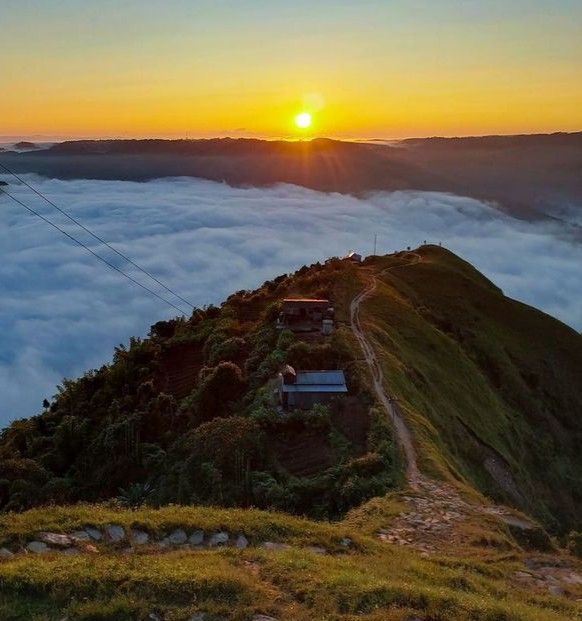
High above the
noise in the East Khasi Hills lies Nongjrong, one of the best sunrises in
Meghalaya, where every dawn paints the sky gold as a breathtaking sea of clouds
drifts silently over the vast valley below.
Location: East Khasi Hills
Distance: 55-60
km from Shillong
Best time to
visit: October to March
Things to do:
Catch the sunrise, experience Khasi Culture, Trek to Nonjrong falls
Entry fee: ₹30 per person
5. WARI CHORA
– Hidden River Canyon in Garo Hills
Wari Chora is one of Meghalaya’s most offbeat natural wonders — a hidden river canyon tucked deep within the dense jungles of South Garo Hills, perfect for adventure seekers and nature lovers alike.
Location: South
Garo Hills
Distance: 285km
from Shillong
Best time to
visit: October to March
Things to do:
Canoeing and Kayaking, swimming, photography
Entry fee – ₹150 per person
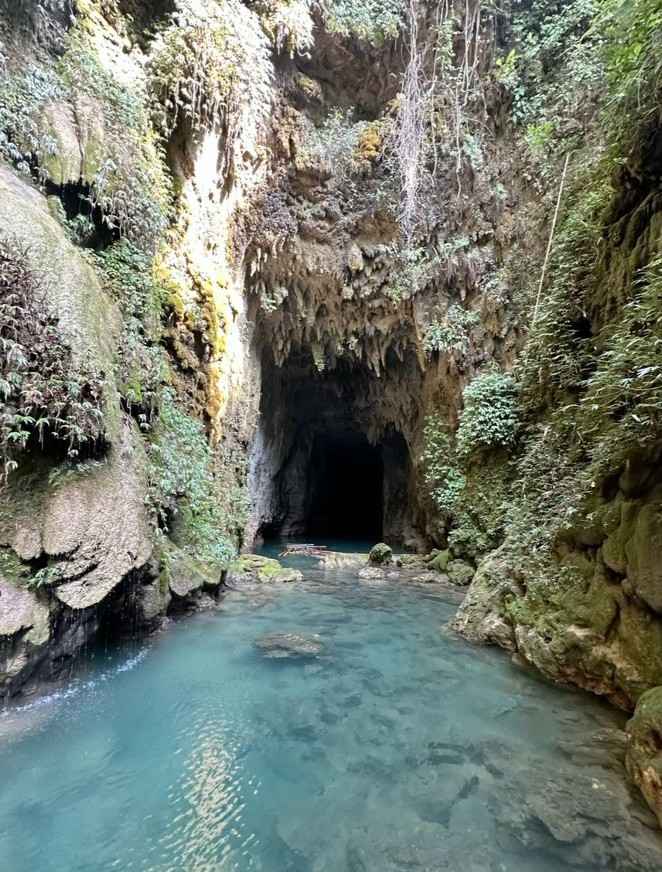
Location: East Jaintia Hills
Distance :130 km
from Shillong
Best time to
visit :November to March
Things to do:
Cave swimming, Rafting, photography
Entry fee: No fixed fee.
For a deeper underground adventure, explore the Krem Chympe experience and discover one of Meghalaya’s most remarkable river cave systems - encampadventures.com/meghalaya/itineraryv2/krem-chympe-exploration
7. MARKHAM
VALLEY – Mini Dzukou of Meghalaya
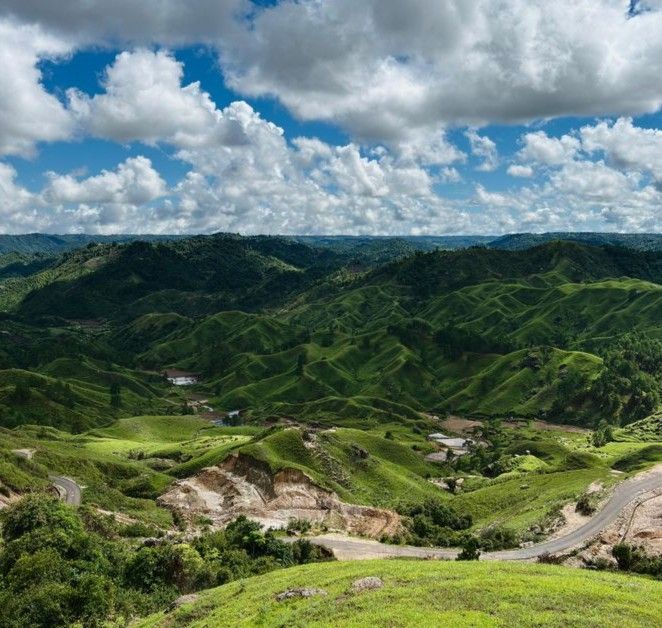 Markham Valley,
an offbeat gem of Meghalaya, is fondly known as the “Mini Dzukou”, captivating
visitors with its rolling green meadows, misty valleys and a breathtaking sea
of clouds - making it one of the most scenic offbeat places in Meghalaya.
Markham Valley,
an offbeat gem of Meghalaya, is fondly known as the “Mini Dzukou”, captivating
visitors with its rolling green meadows, misty valleys and a breathtaking sea
of clouds - making it one of the most scenic offbeat places in Meghalaya.
Location: West Khasi Hills
Distance: 60 to
67 km from Shillong
Best time to
visit: October to April
Things to do:
Trekking, witness the Sea of Clouds in the morning, camping, nature walk,
photography
Entry fee: ₹30 per person
8. SHNONGPDENG – Umngot River Adventure
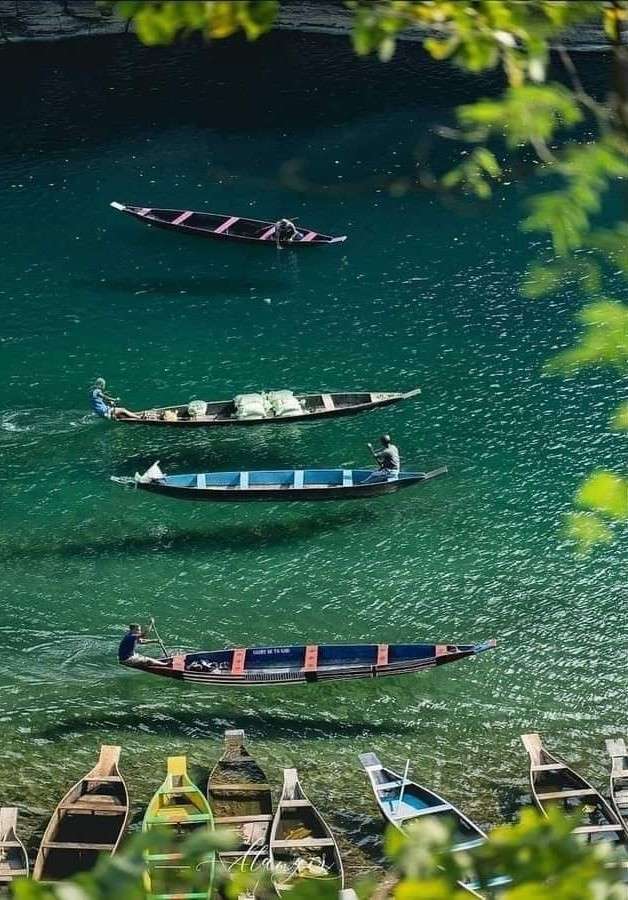
Shnongpdeng, a
small and scenic village tucked away in the hills of Meghalaya. It sits
right along the banks of the famous Umngot River and surrounded by lush
green hills and tranquil landscapes.
Location: West Jaintia Hills
Distance: 90 km
from Shillong
Best time to
visit: October to April
Things to do:
Boating, kayaking, scuba diving, camping right on the riverbanks
Entry fee: ₹30 to 50 per person
9. Kongthong - Whistling Village of
Meghalaya
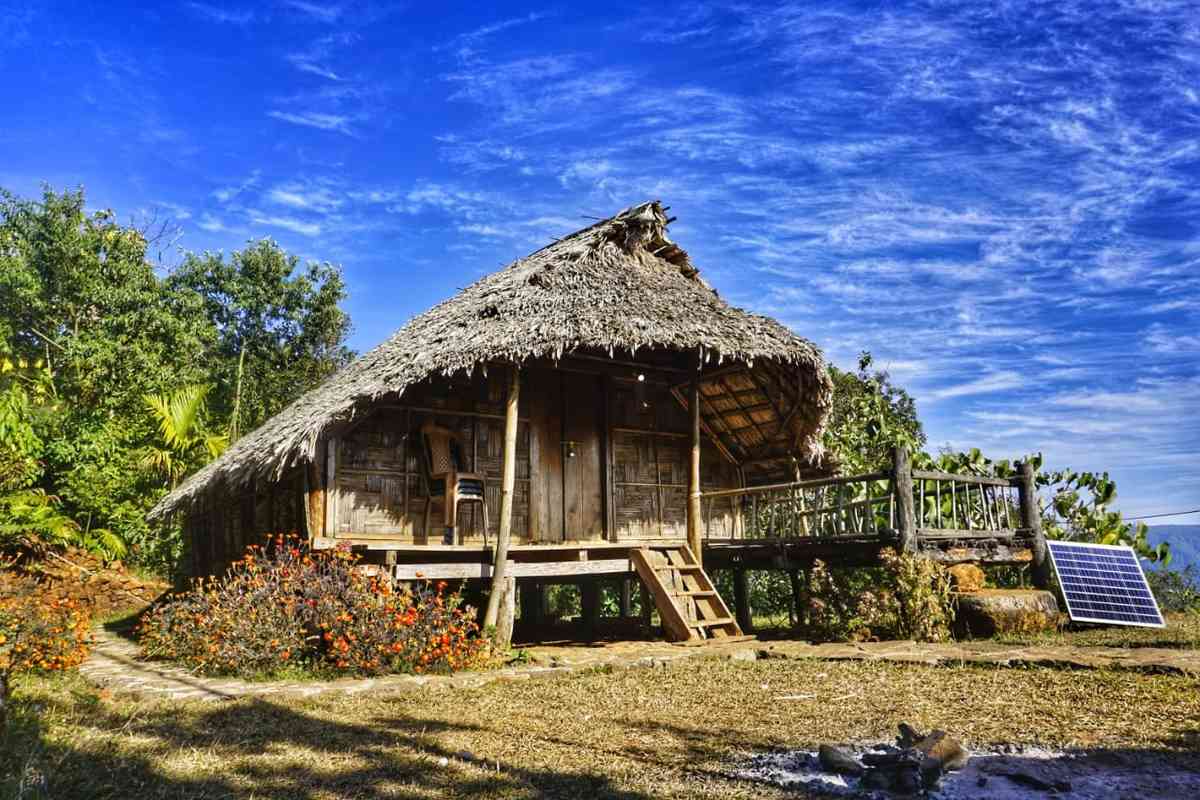
Kongthong, commonly called the Singing Village, is a serene and picturesque hill village in East Khasi hills, nestled in remote areas between Sohra and Pynursla — famous for its unique whistling tradition that makes it one of the most unusual, offbeat places in Meghalaya.
Location: East Khasi Hills
Distance: 50-60
km from Shillong
Best time to
visit: October to April
Things to do: Experience
the ancient Khasi tradition of Jingrwai Lawbei, Trek to Wah Myor root bridge,
learn whistling tradition
Entry fee – Free
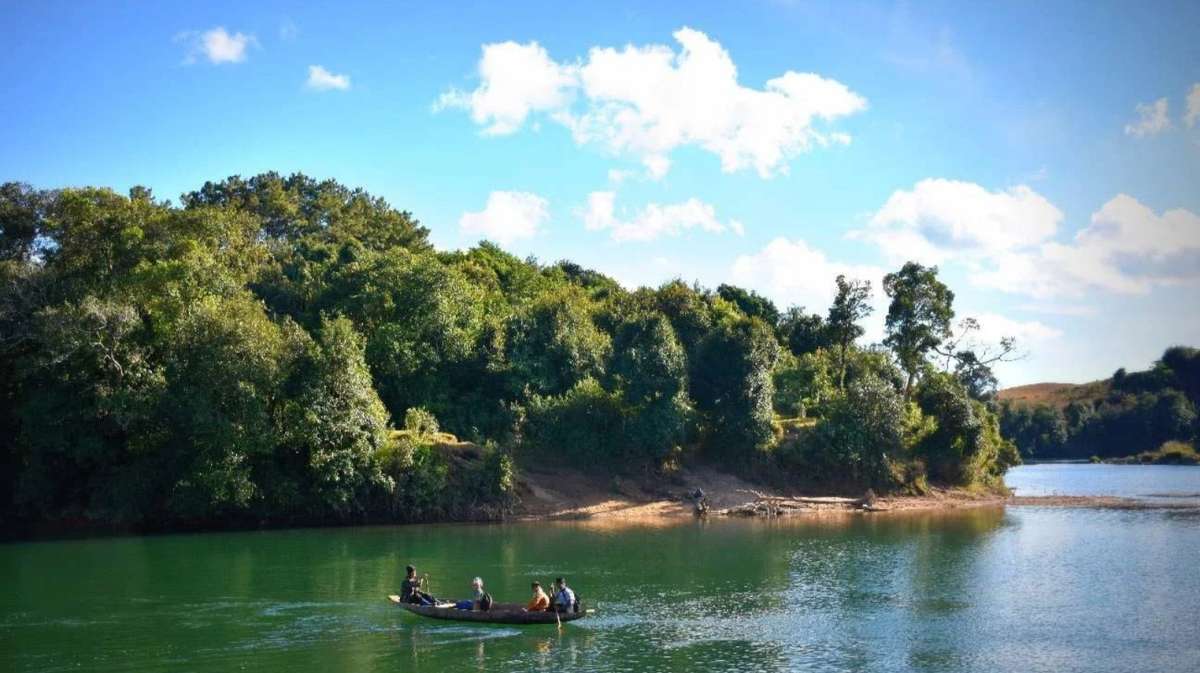
Tucked into the
Kynshi River in West Khasi Hills, Nongkhnum is Asia’s second largest river
island — untouched, unhurried and completely off the tourist radar, making it
perfect for those who love raw, unspoiled nature
Location: West Khasi Hills
Distance: 95 km
from Shillong
Best time to
visit: October to March
Things to do:
Visit the sandy beaches, waterfalls and camping
Entry fee – Free
Want to combine Meghalaya’s hidden landscapes with Assam’s wildlife? Explore the Kaziranga and Meghalaya Tour for an adventure that brings together national parks, waterfalls, caves, hills, and local culture - encampadventures.com/meghalaya/itineraryv2/kaziranga-and-meghalaya-group-tour
Meghalaya’s magic goes far beyond the postcards. Step off the tourist trail, explore these incredible offbeat places in Meghalaya and let these hidden gems redefine your idea of travel. Whether you are a trekker, a camper or a soul chasing peace — Meghalaya in 2026 is calling. Trust us, you won’t regret it.
Travel
Meghalaya Responsibly with Encamp Adventures
Ready to explore these hidden gems responsibly? At Encamp Adventures, we craft eco-friendly travel experiences across Meghalaya — from offbeat treks and camping to village stays and cultural immersions — all while respecting nature and the local communities that call these hills home. Travel deeper, travel better, travel with Encamp Adventures.
Prefer exploring Meghalaya with fellow travellers? Discover our adventure-packed Meghalaya group trips, designed for travellers who want to combine hidden gems, outdoor adventures, camping, and local experiences - encampadventures.com/meghalaya/itineraryv2/meghalaya-group-trip
FAQs
1. Is Meghalaya safe for solo travellers?
Yes, Meghalaya
is generally considered safe for solo travellers including solo women
travellers. However, it is always recommended to travel with a trusted local
guide especially when visiting remote offbeat locations.
2. Do I need a permit to
visit offbeat places in Meghalaya?
Most offbeat places in
Meghalaya do not require a special permit for Indian nationals. However, it is
always advisable to check with your local travel guide or tour operator like
Encamp Adventures before planning your trip to remote location.
3. Can I do eco-friendly
travel in Meghalaya?
Absolutely! Encamp
Adventures offers eco-friendly travel experiences across Meghalaya including
offbeat treks, camping, village stays and cultural immersions while respecting
nature and local communities.
4. What should I
pack for offbeat travel in Meghalaya?
Since Meghalaya
receives heavy rainfall, it is essential to carry waterproof gear, sturdy
trekking shoes, insect repellent, a first aid kit, warm clothes for higher
altitudes and a reusable water bottle. Always pack light but smart when
visiting remote locations.
5. What is the
local food to try in Meghalaya?
While exploring
offbeat Meghalaya do not miss trying local Khasi dishes like Jadoh (rice cooked
with meat), Dohkhlieh (pork salad), Tungrymbai (fermented soybean) and Pumaloi
(steamed rice). These authentic flavours are best enjoyed in local village
homestays.
6. Is there
accommodation available near these offbeat places in Meghalaya?
Most offbeat locations in Meghalaya have limited hotel options. However, camping, homestays and eco lodges are widely available and are actually the best way to experience the local culture and nature up close. Encamp Adventures can help arrange comfortable stays at these remote locations.
7. How do I
reach Meghalaya?
Meghalaya is
easily accessible by air via Shillong Airport or Guwahati Airport in Assam
which is about 100 km away. From Guwahati you can reach Shillong by road in
about 2 to 3 hours. From Shillong most offbeat destinations are reachable by
local taxi or private vehicle.
About the Team
About the Author Ratan Kumar is the CEO of Encamp Adventures, where he leads the team in curating travel experiences across Northeast India — with a focus on helping travelers experience the region authentically, not as another stop on a checklist.
About Encamp Adventures
- 20,000+ travellers served
- Community tourism expertise
- Climate - first travel initiatives
- Northeast India specialization
About Carbon
Encamp Adventures also powers Carbontrace.in, a carbon intelligence platform helping travellers, businesses, and communities measure and offset their carbon footprint through geospatial analytics, verified carbon credits, and transparent reporting. It’s part of Encamp’s vision to make exploring Meghalaya’s hidden gems more responsible—protecting its communities, culture, and fragile ecosystems for generations to come.