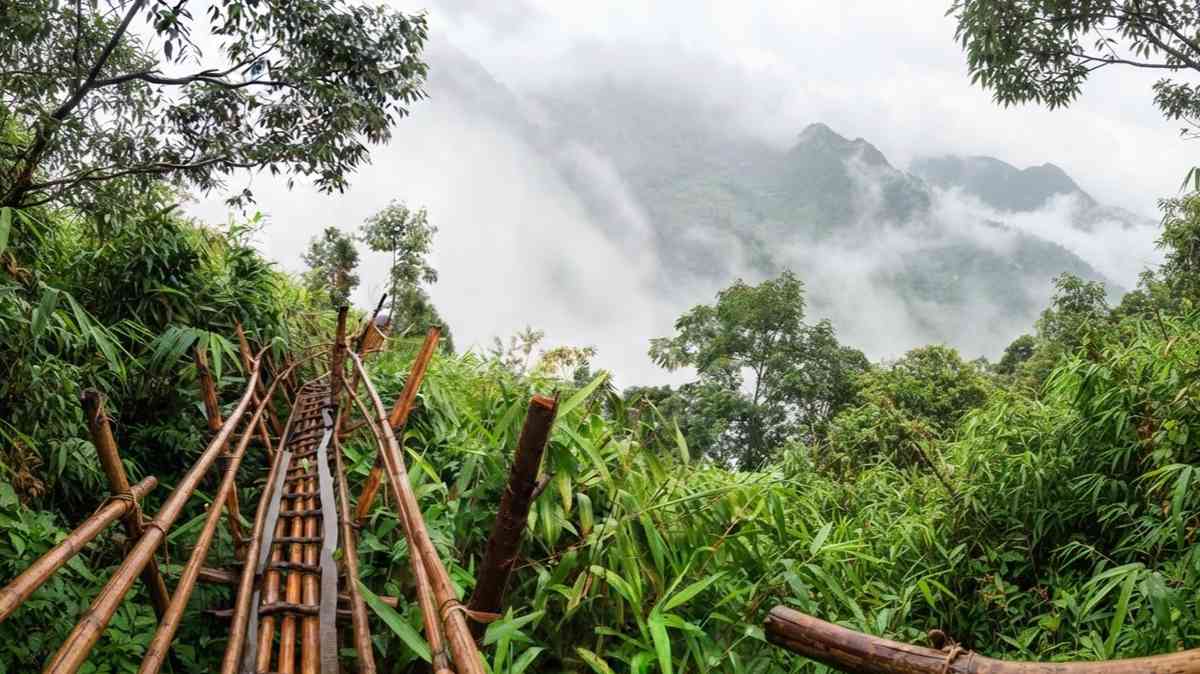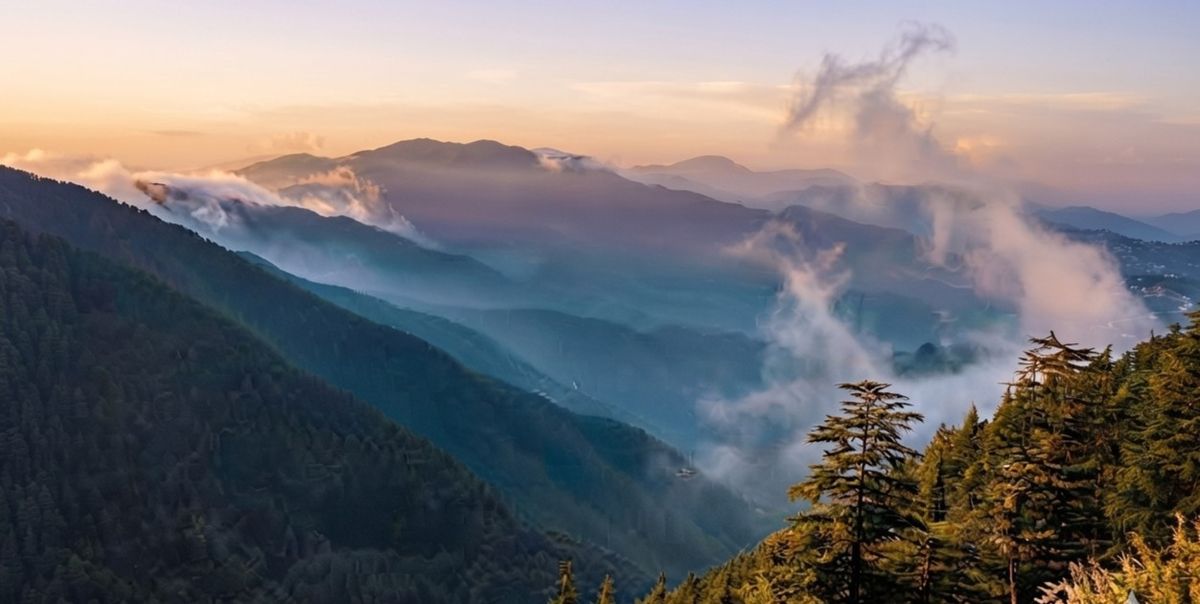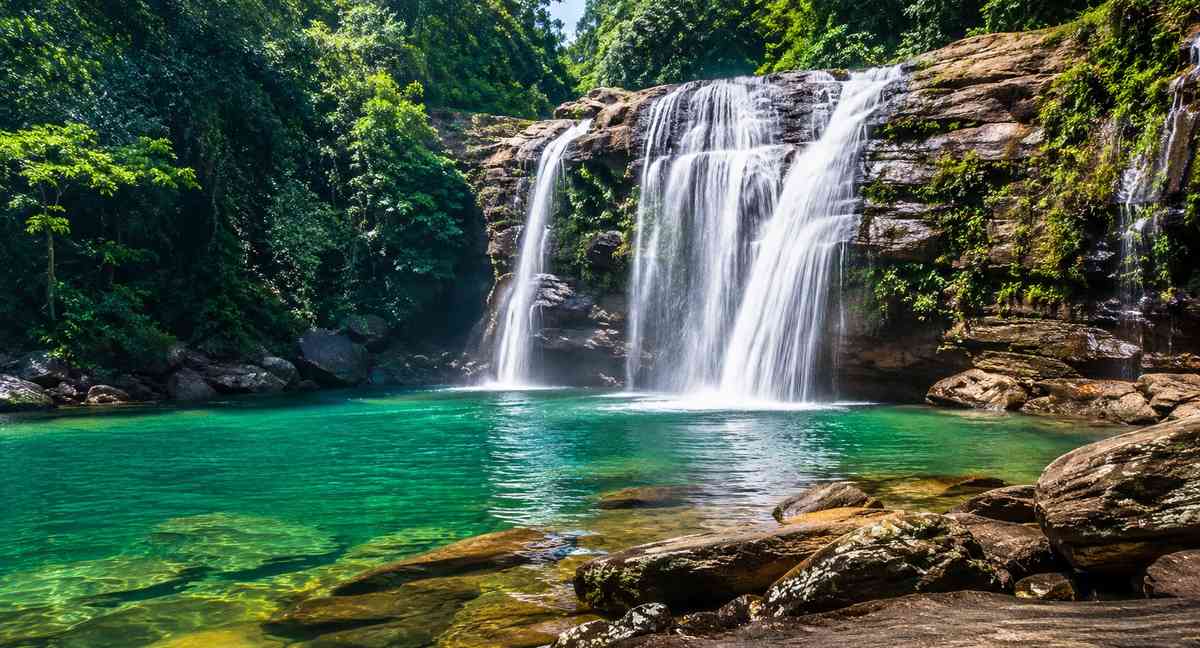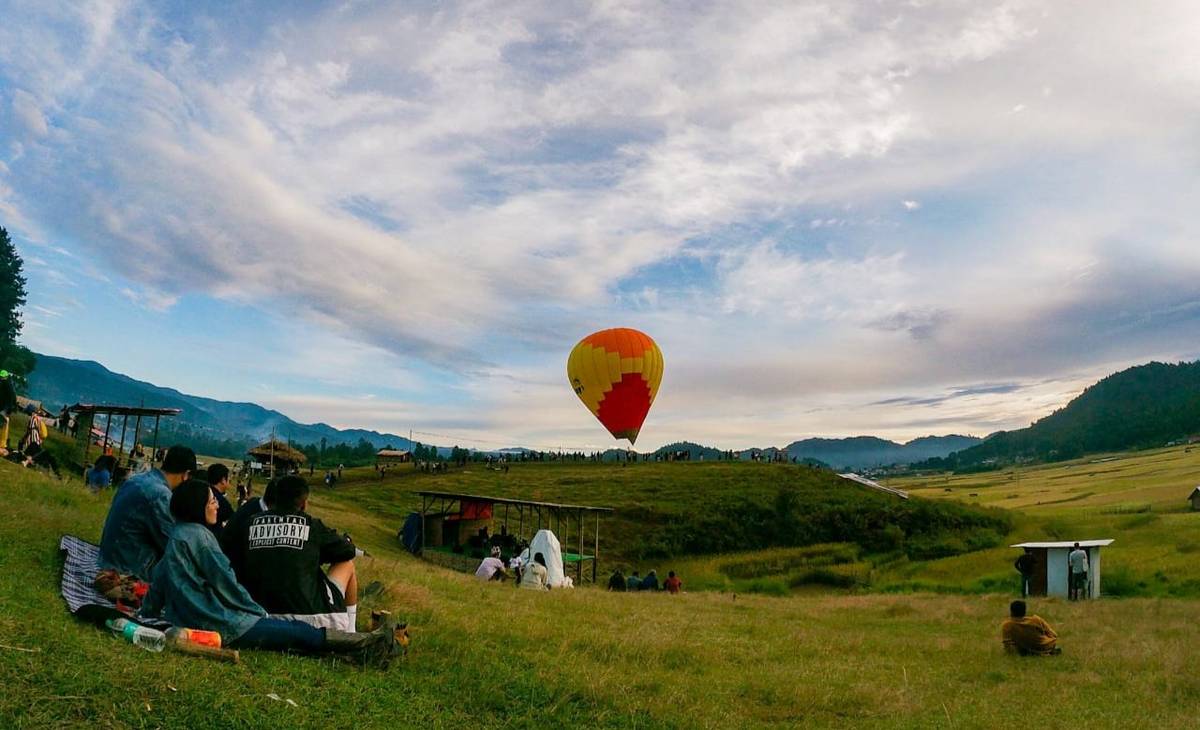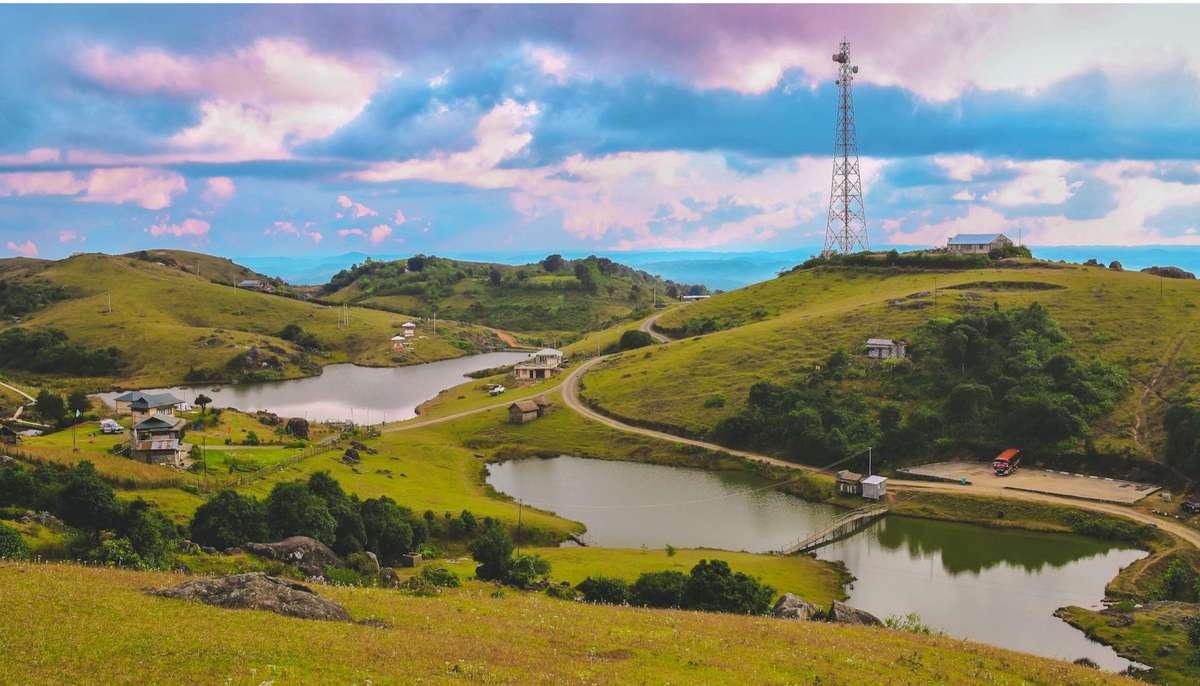


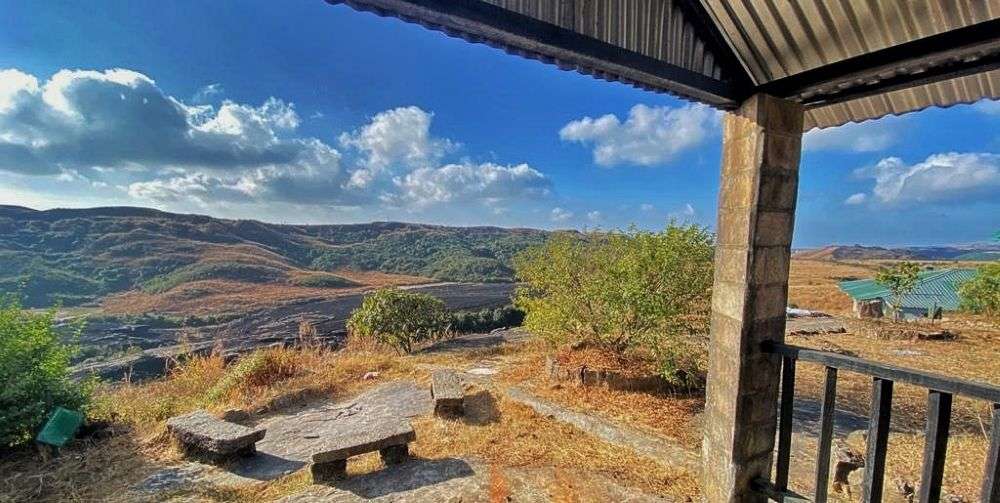
Meghalaya is known as the land of clouds, and its landscape is made up of high plateaus, rolling hills and scenic mountain ranges. The state is divided mainly into Khasi Hills, Jaintia Hills and Garo Hills, which form the main mountain regions of Meghalaya. These mountains are not extremely high like the Himalayas, but they offer beautiful valleys, forests, viewpoints and trekking routes.
Many mountains in Meghalaya are important not only for tourism but also for culture and ecology. Several peaks are considered sacred by local tribes, and many forests are protected by community rules. Travelling responsibly in these mountain areas helps protect wildlife, rivers and traditional villages that depend on nature.
Below is a list of the most popular and searchable mountains in Meghalaya with height, location and travel information.
Popular Meghalaya Mountain
1. Shillong Peak – Highest Mountain in Meghalaya
- Location
- East Khasi Hills
- Height
- 1965 m
- Best Time to Visit
- October to April
- Things to Do
- Viewpoint visit, photography, sightseeing
Shillong Peak is the highest point in Meghalaya and offers panoramic views of Shillong city, hills and even Bangladesh plains on clear days. The peak is also culturally important and considered sacred by the Khasi people. The area is surrounded by forest, so visitors should avoid littering and follow eco-friendly travel practices to protect the environment.
2. Nokrek Peak – Highest Peak in Garo Hills
- Location
- West Garo Hills
- Height
- about 1412–1515 m
- Best Time to Visit
- October to March
- Things to Do
- Trekking, wildlife visit, nature photography
Nokrek Peak is the highest point in the Garo Hills and lies inside the Nokrek Biosphere Reserve, which is known for rare plants and wildlife. The mountain is covered with dense forest and is important for biodiversity conservation. Visitors should travel with guides and avoid disturbing the natural habitat.
3. Laitlum Hills – Scenic Mountain Viewpoint
- Location
- Near Shillong
- Height
- around 1500 m
- Best Time to Visit
- October to April
- Things to Do
- Trekking, photography, valley view
Laitlum Hills is one of the most scenic mountain areas in Meghalaya, famous for deep valleys and open hill views. The name means “end of hills”, and the place offers one of the best viewpoints in the state. Because the area is very clean and peaceful, travellers should avoid plastic waste and help maintain the natural beauty.
4. Khasi Hills – Central Mountain Range of Meghalaya
- Location
- Central Meghalaya
- Height
- up to 1500 m+
- Best Time to Visit
- October to March
- Things to Do
- Trekking, village visits, waterfalls
The Khasi Hills form the main mountain region of Meghalaya and include Shillong, Cherrapunji and Mawsynram. These hills have forests, caves, waterfalls and sacred groves protected by local communities. The culture of the Khasi people is closely connected to nature, and visitors should respect local traditions while travelling.
5. Jaintia Hills – Eastern Mountain Region
- Location
- East Meghalaya
- Height
- around 1200–1500 m
- Best Time to Visit
- October to April
- Things to Do
- Waterfall visit, trekking, caves
The Jaintia Hills are known for scenic valleys, rivers and waterfalls. This mountain region has many offbeat places that are less crowded than Shillong and Cherrapunji. Travelling slowly and supporting local homestays helps promote sustainable tourism in this region.
6. Garo Hills – Forested Mountain Region
- Location
- Western Meghalaya
- Height
- up to 1500 m
- Best Time to Visit
- October to March
- Things to Do
- Wildlife visit, trekking, village tour
The Garo Hills are covered with forests and wildlife areas and are less developed compared to other parts of Meghalaya. Many rivers originate from these mountains, so protecting forests is important for the environment. Visitors should follow responsible travel rules while exploring this region.
7. Lum Sohpetbneng – Sacred Mountain
- Location
- Near Shillong
- Height
- about 1340 m
- Best Time to Visit
- October to April
- Things to Do
- Trekking, spiritual visit, photography
Lum Sohpetbneng is considered a sacred mountain by the Khasi people and is associated with local legends. The hill is surrounded by forest and offers beautiful views from the top. Because it is culturally important, visitors should behave respectfully and avoid damaging the natural surroundings.
8. Tura Peak – Mountain near Tura Town
- Location
- West Garo Hills
- Height
- about 872 m
- Best Time to Visit
- October to March
- Things to Do
- Trekking, forest walk, viewpoint
Tura Peak is a popular mountain near Tura town and offers scenic views of the Garo Hills. The forest around the peak is rich in plants and birds. Travellers should avoid making noise and keep the forest clean to protect wildlife.
9. Diengiei Peak – Volcanic Mountain of Meghalaya
- Location
- Near Shillong
- Height
- about 620 m
- Best Time to Visit
- October to April
- Things to Do
- Trekking, nature walk, photography
Diengiei Peak is believed to be an ancient volcanic hill and is surrounded by forest and farmland. The trek to the top is easy and offers beautiful views of the countryside. Responsible travel helps keep this area clean and safe for local villagers.
10. Mawthadraishan Peak – Hidden Mountain Viewpoint
- Location
- West Khasi Hills
- Height
- around 1900 m
- Best Time to Visit
- October to March
- Things to Do
- Trekking, camping, sunrise view
Mawthadraishan is one of the highest viewpoints in Meghalaya and offers wide views of clouds and valleys. The area is peaceful and less crowded, making it perfect for nature lovers. Travellers should carry reusable items and avoid plastic while visiting.
11. Lum Shyllong – Sacred Hill of Khasi People
- Location
- Near Shillong
- Height
- about 1500 m
- Best Time to Visit
- October to April
- Things to Do
- Trekking, cultural visit, photography
Lum Shyllong is an important hill in Khasi culture and is believed to be the origin of the name Shillong. The hill is surrounded by forest and is considered sacred, so visitors should respect local beliefs and avoid disturbing the area.
12. Balpakram Hills – Mountain Plateau of Garo Hills
- Location
- South Garo Hills
- Height
- around 1000 m
- Best Time to Visit
- October to March
- Things to Do
- Trekking, wildlife visit, sightseeing
Balpakram Hills are known for deep valleys and wildlife habitats. The area is part of a national park and is important for conservation. Travelling with guides and following rules helps protect this fragile mountain ecosystem.
Sustainable Travel in Meghalaya Mountains
The mountains of Meghalaya are home to forests, rivers and tribal villages that depend on nature. Travellers should avoid plastic waste, respect sacred forests and support local communities by choosing eco-friendly stays and guided tours. Responsible tourism helps keep these mountains clean and safe for future generations.
Explore Meghalaya Mountains with Encamp Adventures
Exploring Meghalaya mountains becomes more meaningful with guided travel that respects nature and local culture. Encamp Adventures offers trekking, camping and offbeat travel experiences across Khasi Hills, Garo Hills and Jaintia Hills while promoting sustainable tourism and community travel.
Explore Meghalaya’s Scenic Mountains & Hidden Trails
Plan your journey through Shillong Peak, Khasi Hills and offbeat mountain routes with a well-crafted itinerary.
Plan Your Meghalaya TripFAQs – Meghalaya Mountain
1. Which is the highest mountain in Meghalaya?
Shillong Peak is the highest mountain in Meghalaya with a height of about 1965 metres above sea level.
2. What are the main mountain ranges in Meghalaya?
The main mountain ranges in Meghalaya are Khasi Hills, Jaintia Hills and Garo Hills, which together form the Meghalaya Plateau.
3. Is Meghalaya part of the Himalayas?
No, Meghalaya is not part of the Himalayas. It is part of the Meghalaya Plateau, which is a separate geological region in Northeast India.
4. Which mountain is famous in Meghalaya?
Shillong Peak, Nokrek Peak and Laitlum Hills are among the most famous mountains in Meghalaya.
5. What is the height of Shillong Peak?
Shillong Peak is about 1965 metres high and is the highest point in the state.
6. Which is the highest peak in Garo Hills?
Nokrek Peak is the highest peak in the Garo Hills and is located inside Nokrek Biosphere Reserve.
7. Which hills are located in Meghalaya?
Meghalaya has three main hill regions: Khasi Hills, Jaintia Hills and Garo Hills.
8. Which mountain is best for trekking in Meghalaya?
Laitlum Hills, Nokrek Peak and Mawthadraishan Peak are popular trekking mountains in Meghalaya.
9. Why are mountains in Meghalaya famous?
Mountains in Meghalaya are famous for clouds, waterfalls, forests, viewpoints and tribal culture.
10. What is the Meghalaya Plateau?
The Meghalaya Plateau is a highland region in Northeast India made up of Khasi, Jaintia and Garo hills.
11. Which mountain is sacred in Meghalaya?
Lum Sohpetbneng and Lum Shyllong are considered sacred hills by the Khasi people.
12. Best time to visit mountains in Meghalaya?
The best time to visit Meghalaya mountains is from October to April when the weather is clear and pleasant.
13. Which mountain is near Shillong?
Shillong Peak, Diengiei Peak and Laitlum Hills are located near Shillong.
14. Are Meghalaya mountains good for trekking?
Yes, Meghalaya mountains are good for trekking because of forest trails, viewpoints and scenic valleys.
15. Which is the most scenic mountain in Meghalaya?
Laitlum Hills and Mawthadraishan Peak are among the most scenic mountain viewpoints in Meghalaya.
16. Do Meghalaya mountains get snowfall?
No, Meghalaya mountains usually do not get snowfall, but the weather remains cool throughout the year.
17. Why is Meghalaya called land of clouds?
Meghalaya is called the land of clouds because its mountains are often covered with mist and receive heavy rainfall.
18. Which mountain is best for sunrise view in Meghalaya?
Mawthadraishan Peak and Shillong Peak are popular for sunrise views.
19. Which mountain is inside national park in Meghalaya?
Nokrek Peak is located inside Nokrek National Park and Biosphere Reserve.
20. How many hills are in Meghalaya?
Meghalaya has three main hill regions: Khasi Hills, Jaintia Hills and Garo Hills.