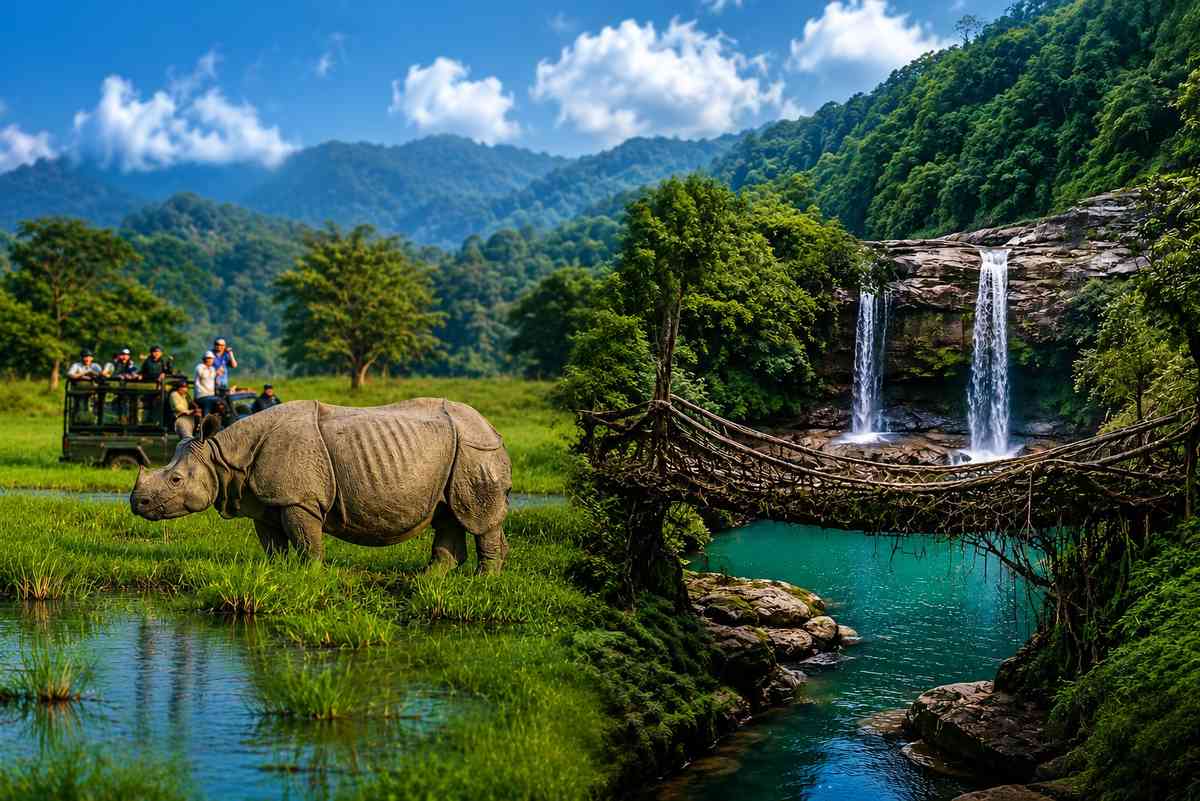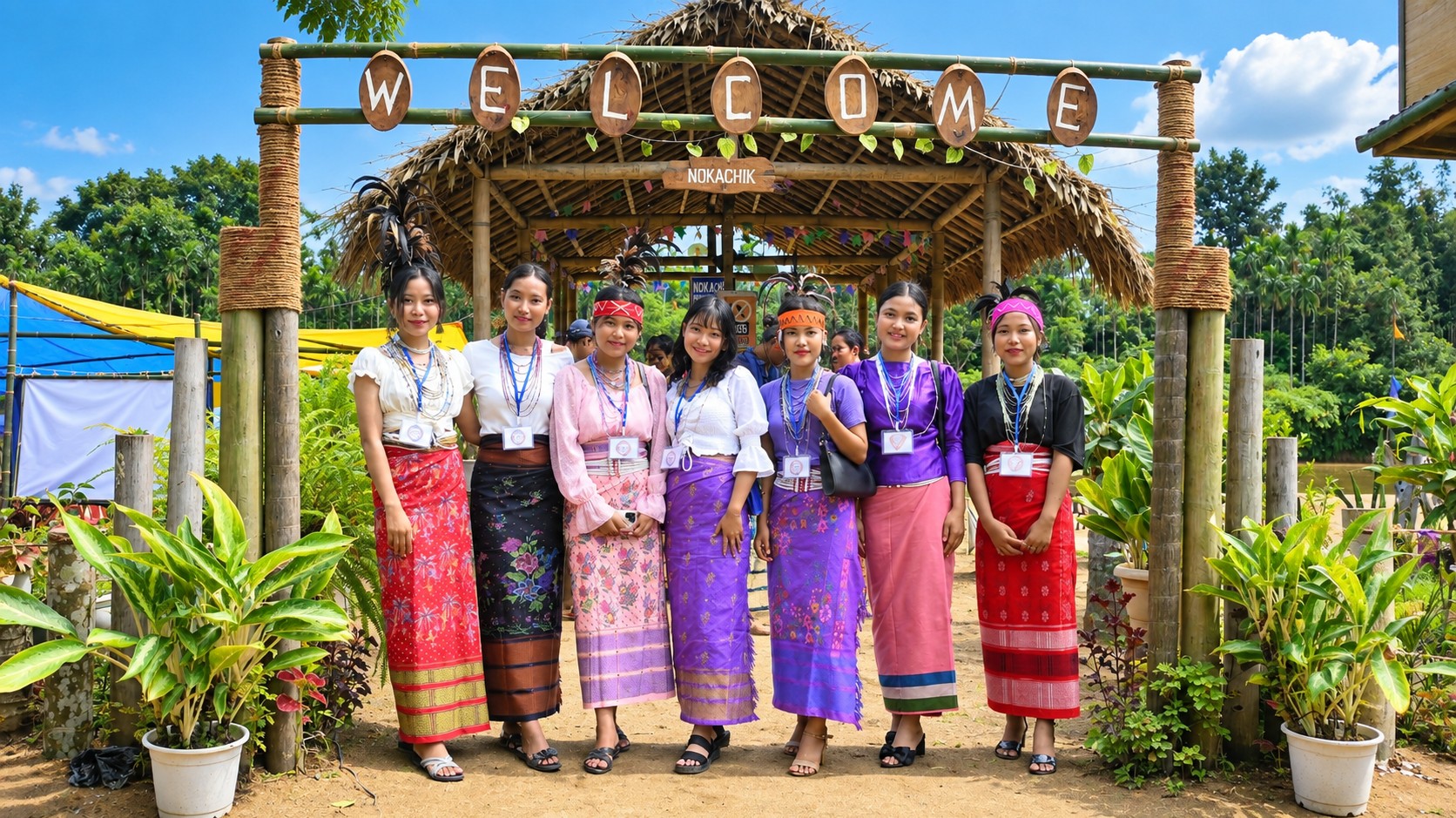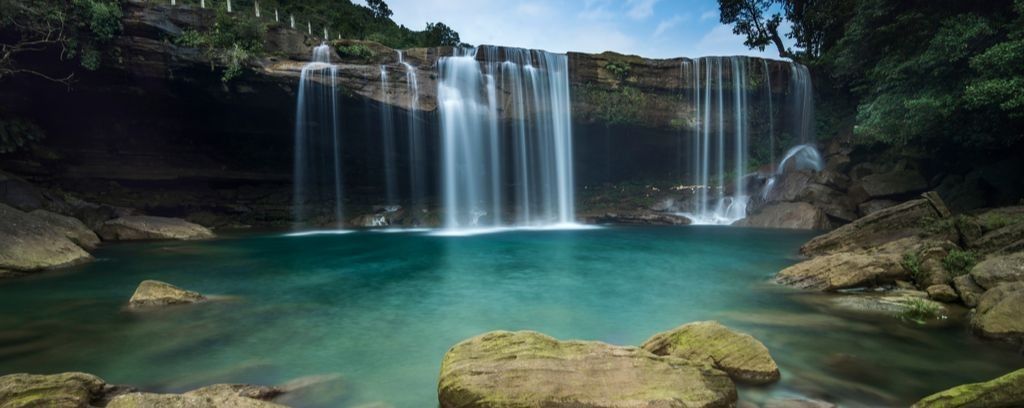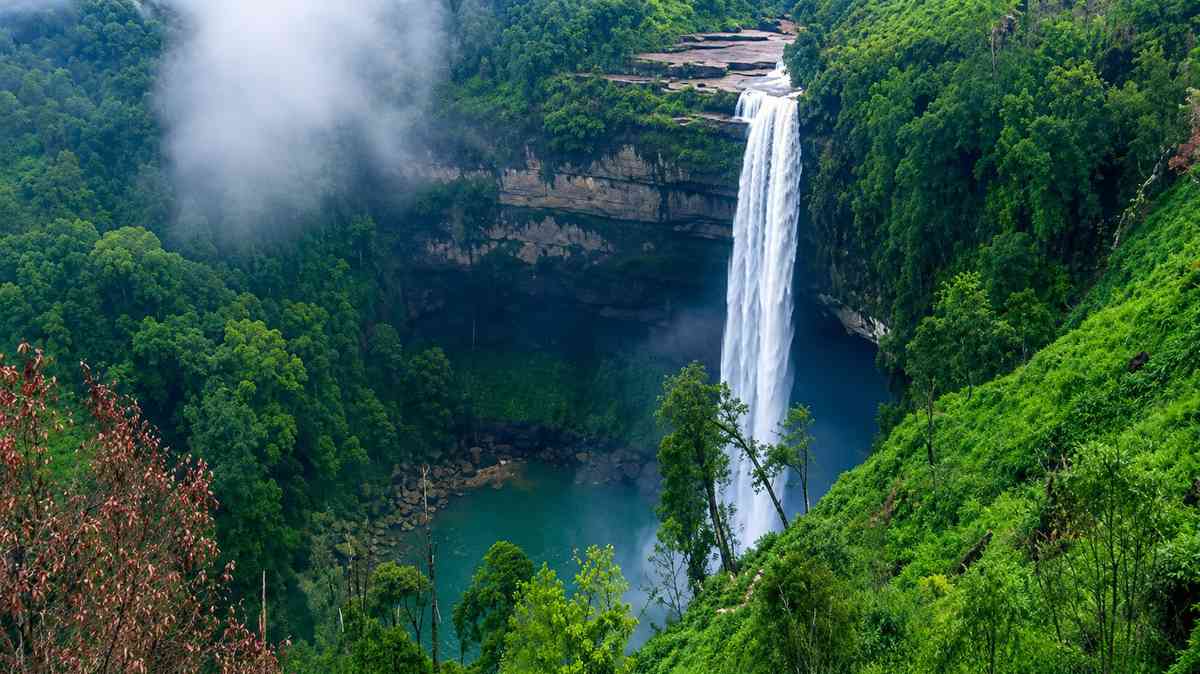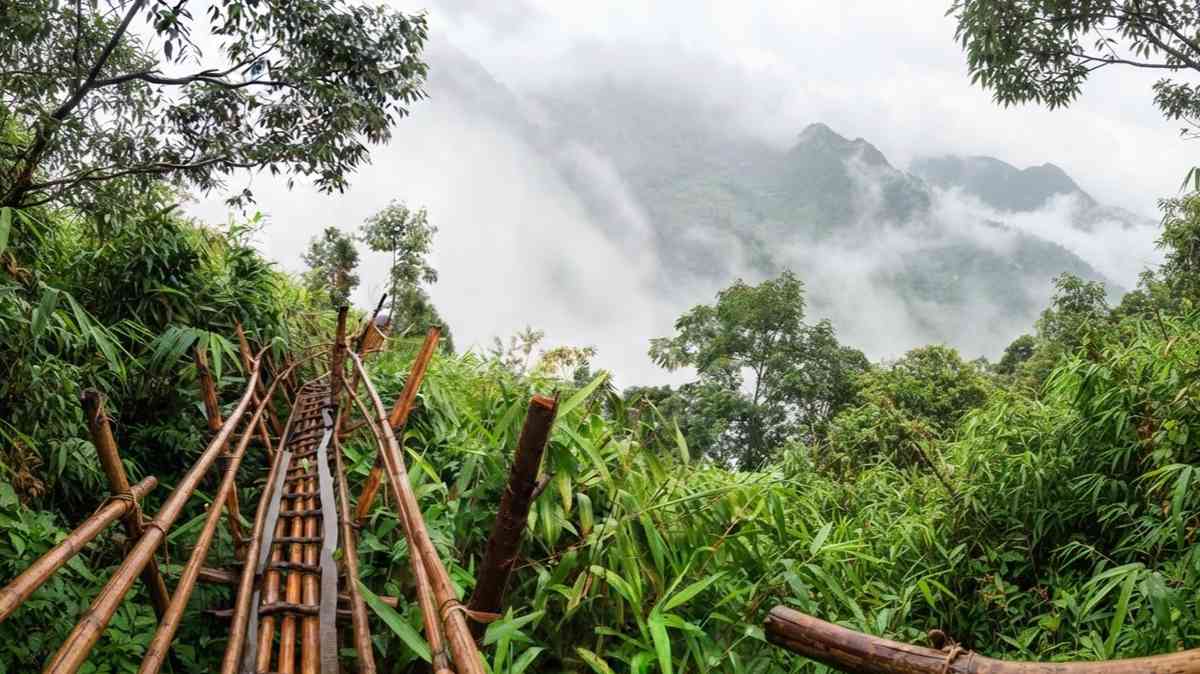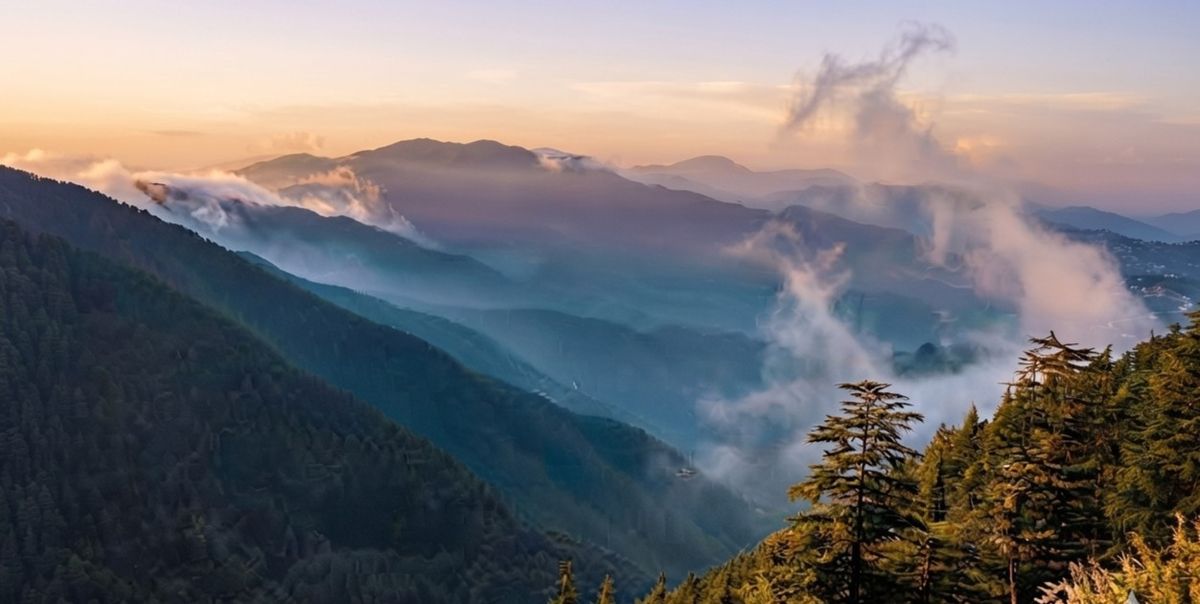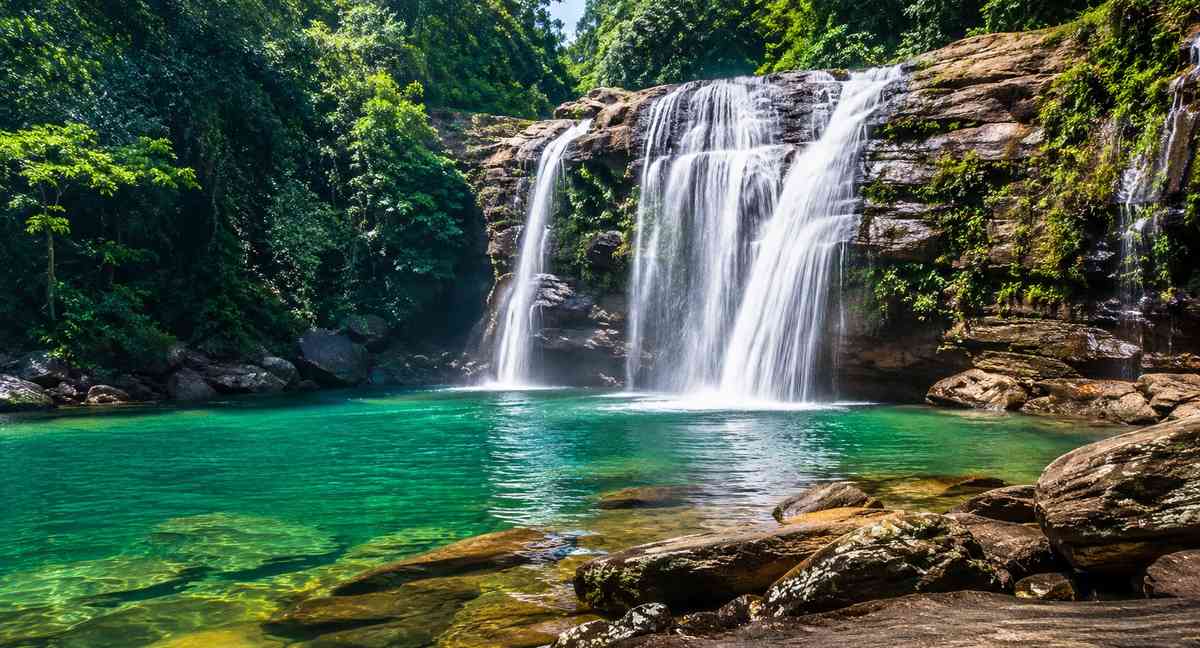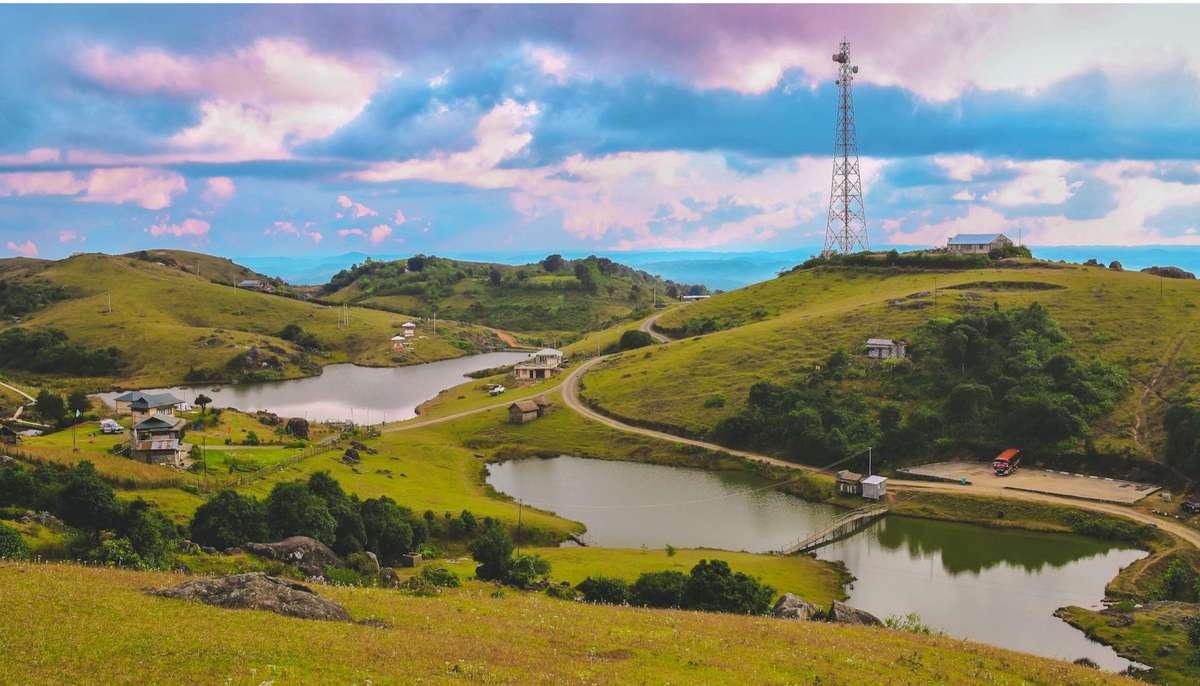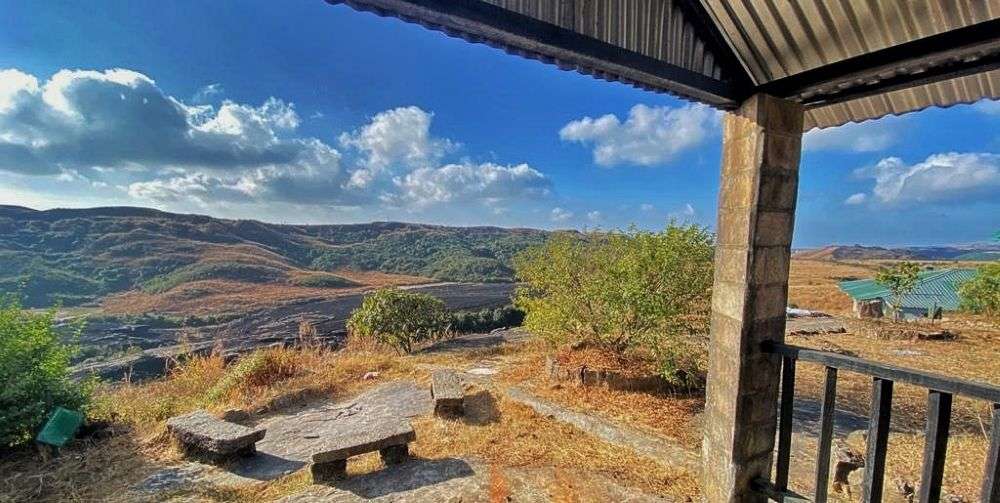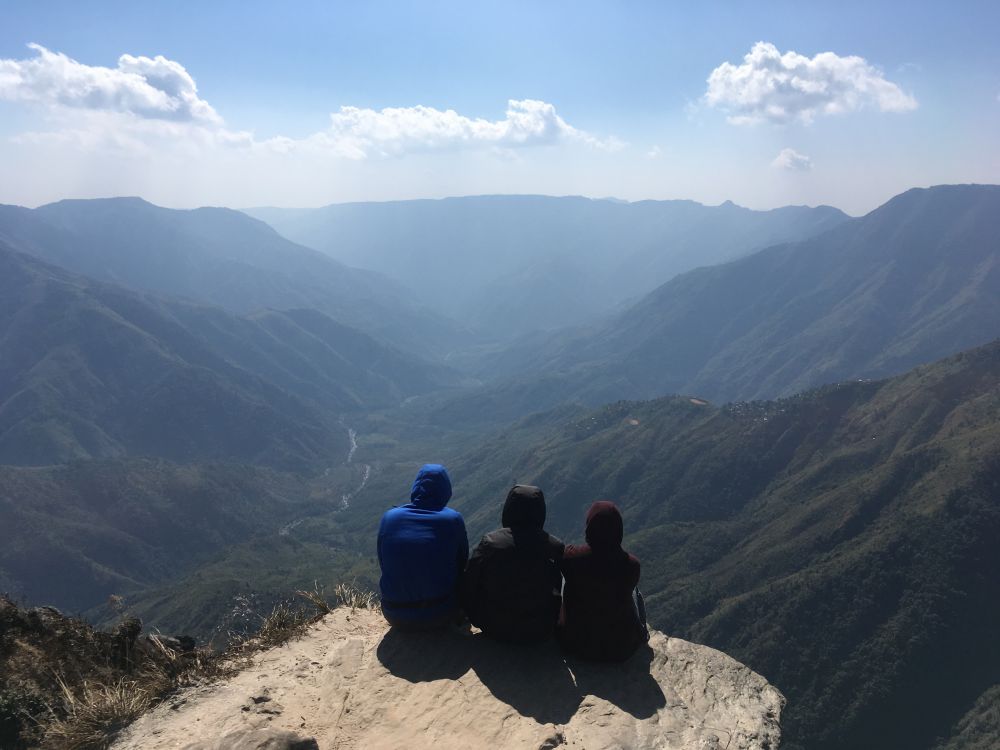


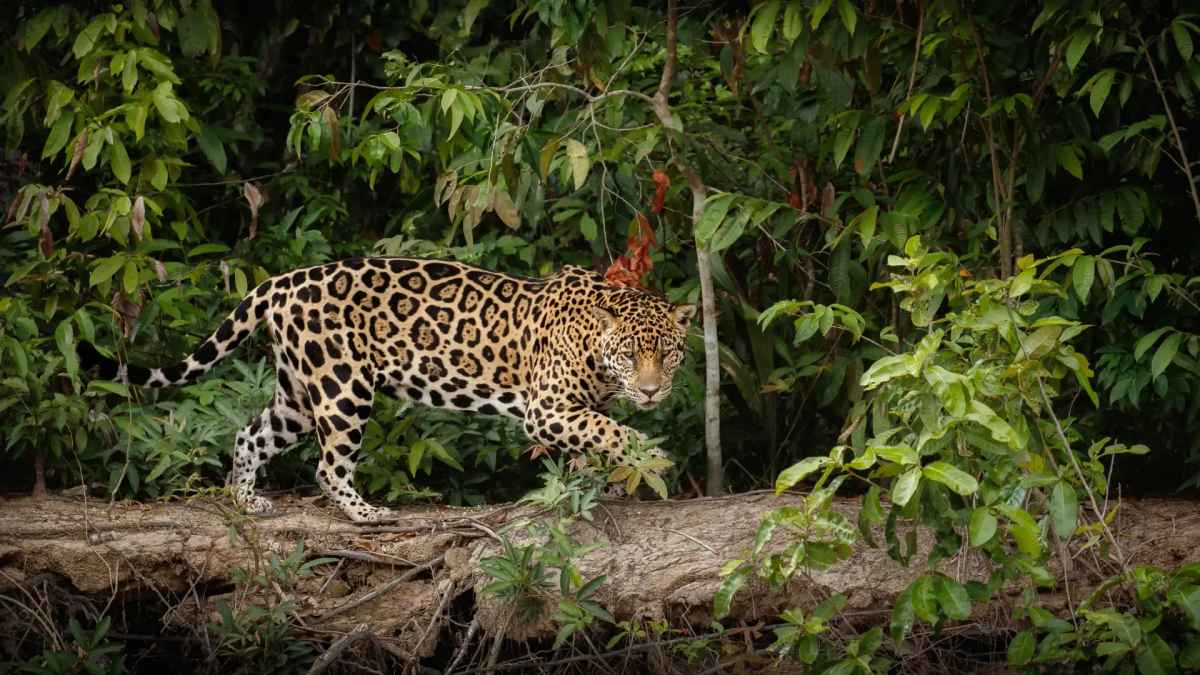
Nestled in the lush hills of Northeast India, Meghalaya is a paradise for nature and wildlife lovers. Home to misty forests, deep canyons, sacred groves, and some of the rarest species on the planet, the state is blessed with protected treasures in the form of national parks and wildlife sanctuaries. From spotting the elusive red panda at Nokrek to exploring the mystical canyons of Balpakram or witnessing the unique pitcher plants of Baghmara, Meghalaya offers an experience that blends biodiversity with breathtaking landscapes. In this guide, we cover the top national parks and wildlife sanctuaries in Meghalaya to visit in 2025, complete with entry details, timings, best seasons, and travel tips to help you plan your adventure.
Protected Area
Type
Location
Spread Across
Key Highlights
Balpakram National Park
National Park
South Garo Hills
~220 sq km
Famous for canyons, cliffs, clouded leopards, golden cats, and spiritual legends
Nokrek National Park
National Park
West Garo Hills
~47 sq km
UNESCO Biosphere Reserve, home to red pandas, Asian elephants, and diverse orchids
Nongkhyllem Wildlife Sanctuary
Wildlife Sanctuary
Ri-Bhoi
~29 sq km
Tigers, elephants, hornbills, and hoolock gibbons
Baghmara Pitcher Plant Sanctuary
Wildlife Sanctuary
South Garo Hills
~2.3 sq km
Protects rare Nepenthes khasiana (carnivorous pitcher plant)
Siju Wildlife Sanctuary
Wildlife Sanctuary
South Garo Hills
~5.2 sq km
One of the oldest sanctuaries, known for elephants, birds, fossils, and nearby Siju Caves
Narpuh Wildlife Sanctuary
Wildlife Sanctuary
East Jaintia Hills
~59 sq km
Rich evergreen forests, clouded leopards, gibbons, and elephants
Sonia Wildlife Sanctuary
Wildlife Sanctuary
West Garo Hills
~47 sq km
Lesser-known, home to elephants, deer, and small mammals
Balo Wildlife Sanctuary
Wildlife Sanctuary
West Garo Hills
~18 sq km
Birdwatching haven, smaller mammals, peaceful trails
List of national park in meghalaya
1. Nokrek National Park
Nokrek National Park in the West Garo Hills is Meghalaya’s only UNESCO Biosphere Reserve, spread over 47.5 sq km. Known as the home of the elusive red panda, it is rich in rare orchids, citrus fruits like Citrus indica, and diverse wildlife including wild elephants and hornbills. With limestone caves, scenic trails, and lush forests, it is a haven for nature lovers and researchers alike.
- Location
- West Garo Hills district, about 2 km from Tura, Meghalaya
- Spread Across
- Approx. 47.5 sq km
- Entry Fee
- Around ₹50 per person (varies slightly for foreigners)
- Timings
- 8:00 AM – 5:00 PM (daily)
- Best Time to Visit
- October to May
Highlights:
Nokrek National Park is Meghalaya’s only UNESCO Biosphere Reserve and a treasure trove of biodiversity. It is famously known as the home of the elusive red panda and is also rich in rare orchids, citrus fruits (like the unique Citrus indica, locally called Me-Mon), and medicinal plants. Wildlife enthusiasts can also spot wild elephants, marbled cats, hoolock gibbons, and hornbills. The park is dotted with beautiful limestone caves and is the origin point of major rivers such as the Simsang. Its mix of lush forests, rolling hills, and rare species makes it a paradise for researchers, trekkers, and nature lovers alike.
2. Balpakram National Park
Balpakram National Park in the South Garo Hills, often called the “Land of Perpetual Winds,” is spread across 220 sq km. Famous for its canyons, plateaus, and caves, it is home to rare species like the golden cat, wild water buffalo, and clouded leopard. The park also holds deep spiritual significance for local tribes, making it both a natural and cultural treasure.
- Location
- South Garo Hills district, near Baghmara, Meghalaya
- Spread Across
- Approx. 220 sq km
- Entry Fee
- Around ₹100 per person (higher for foreigners)
- Timings
- 7:00 AM – 6:00 PM (daily)
- Best Time to Visit
- November to March
Highlights:
Balpakram National Park is one of India’s most enchanting and mysterious landscapes. Often called the “Land of Spirits” by locals, it is steeped in legends and myths, believed to be a resting place for departed souls. Its terrain includes deep gorges, canyons, cliffs, and vast plateaus, often compared to the Grand Canyon of the US. The park shelters rare and endangered species such as the golden cat, clouded leopard, wild water buffalo, and the marbled cat, along with herds of wild bison. It is also rich in medicinal herbs and plants, making it a hotspot for botanists. For trekkers and photographers, Balpakram offers unmatched natural beauty and a surreal aura that leaves an unforgettable impression.
List of wildlife sanctuary in meghalaya
1. Siju Wildlife Sanctuary
Siju Wildlife Sanctuary, located in the Garo Hills, is famous for its population of the endangered Hoolock Gibbons. The sanctuary is also home to elephants, tigers, leopards, and several rare bird species. Nearby lies the famous Siju Cave, one of India’s longest limestone caves, adding extra charm to the visit.
- Location
- South Garo Hills, near Siju village, Meghalaya
- Spread Across
- Approx. 5.2 sq km
- Entry Fee
- Around ₹50 per person
- Timings
- 7:00 AM – 5:00 PM (daily)
- Best Time to Visit
- November to March
Highlights:
- Habitat of the rare Hoolock Gibbons
- Known for elephants, leopards, and rich birdlife
- Close to Siju Caves, one of the longest limestone caves in India
2. Nongkhyllem Wildlife Sanctuary
Nongkhyllem Wildlife Sanctuary in Ri-Bhoi district is a paradise for birdwatchers. It shelters endangered species like the Bengal Tiger, Clouded Leopard, Golden Cat, and the Great Hornbill. The lush landscape makes it one of Meghalaya’s best-preserved sanctuaries.
- Location
- Ri-Bhoi district, Meghalaya
- Spread Across
- Approx. 29 sq km
- Entry Fee
- Around ₹100 per person
- Timings
- 6:00 AM – 5:00 PM (daily)
- Best Time to Visit
- October to April
Highlights:
- Renowned for diverse bird species, including hornbills
- Home to large mammals like tigers, leopards, and golden cats
- Popular among ornithologists and wildlife researchers
3. Baghmara Pitcher Plant Sanctuary
This unique sanctuary is dedicated to the rare pitcher plant (Nepenthes khasiana), a carnivorous plant native to Meghalaya. Located in the South Garo Hills, it is a must-visit for nature enthusiasts and botany lovers.
- Location
- South Garo Hills, near Baghmara, Meghalaya
- Spread Across
- Approx. 2.3 sq km
- Entry Fee
- Around ₹30 per person
- Timings
- 8:00 AM – 4:00 PM (daily)
- Best Time to Visit
- November to February
Highlights:
- Exclusive site to see the rare pitcher plant
- Rich in orchids and other native flora
- Great for educational and eco-tourism activities
4. Narpuh Wildlife Sanctuary
Located in the East Jaintia Hills, Narpuh Wildlife Sanctuary is famous for its rich evergreen forests and incredible biodiversity. It shelters clouded leopards, tigers, elephants, and hoolock gibbons, making it a vital conservation area.
- Location
- East Jaintia Hills district, Meghalaya
- Spread Across
- Approx. 59 sq km
- Entry Fee
- Around ₹100 per person
- Timings
- 6:00 AM – 5:00 PM (daily)
- Best Time to Visit
- November to April
Highlights:
- Known for clouded leopards and hoolock gibbons
- Dense evergreen forests with diverse flora
- Rich birdlife and pristine natural beauty
5. Sonia Wildlife Sanctuary
Sonia Wildlife Sanctuary, located in West Garo Hills, is lesser-known but equally captivating. It provides a natural habitat for elephants, deer, and several small mammals, making it a peaceful retreat for wildlife lovers.
- Location
- West Garo Hills district, Meghalaya
- Spread Across
- Approx. 47 sq km
- Entry Fee
- Around ₹50 per person
- Timings
- 7:00 AM – 5:00 PM (daily)
- Best Time to Visit
- November to March
Highlights:
- Lesser-known sanctuary with minimal tourist crowds
- Habitat for elephants, deer, and small mammals
- Serene and offbeat experience for nature lovers
6. Balo Wildlife Sanctuary
Balo Wildlife Sanctuary, also in West Garo Hills, is smaller in size but rich in birdlife and smaller mammals. It is an emerging destination for eco-tourism and offers a peaceful environment for nature walks and birdwatching.
- Location
- West Garo Hills district, Meghalaya
- Spread Across
- Approx. 18 sq km
- Entry Fee
- Around ₹30 per person
- Timings
- 7:00 AM – 5:00 PM (daily)
- Best Time to Visit
- October to March
Highlights:
- Known for diverse bird species and small mammals
- Perfect for birdwatching and short treks
- Quiet and less crowded sanctuary
Conclusion
Meghalaya’s national parks and wildlife sanctuaries are not just about rich biodiversity but also about cultural heritage, breathtaking landscapes, and rare species that cannot be found anywhere else. From the mystical Balpakram and pristine Nokrek to the unique Baghmara Pitcher Plant Sanctuary, every spot offers a new discovery. Whether you are a wildlife enthusiast, a trekker, or a nature lover, a trip to these natural havens in 2025 promises unforgettable experiences in the heart of Northeast India.
FAQs
1. How many national parks are there in Meghalaya?
There are two national parks in Meghalaya – Balpakram National Park and Nokrek National Park.
2. How many wildlife sanctuaries are there in Meghalaya?
Meghalaya has six wildlife sanctuaries, including Nongkhyllem, Baghmara Pitcher Plant, Siju, Narpuh, Sonia, and Balo.
3. What is the largest national park in Meghalaya?
Balpakram National Park is the largest, covering about 220 sq km in the South Garo Hills.
4. Which is the oldest wildlife sanctuary in Meghalaya?
Siju Wildlife Sanctuary in South Garo Hills is the oldest, known for elephants, birdlife, and fossils.
5. What is Nokrek National Park famous for?
Nokrek is a UNESCO Biosphere Reserve, famous for the red panda, Asian elephants, and diverse orchids.
6. Which sanctuary is known for pitcher plants in Meghalaya?
The Baghmara Pitcher Plant Sanctuary protects the rare carnivorous plant Nepenthes khasiana.
7. Which animals can be found in Meghalaya’s wildlife sanctuaries?
Meghalaya is home to clouded leopards, red pandas, elephants, gibbons, hornbills, and deer.
8. What is the best time to visit national parks in Meghalaya?
The best time is from November to April, when the weather is pleasant and wildlife sightings are easier.
9. Which national park in Meghalaya is called the Land of Spirits?
Balpakram National Park is called the “Land of Spirits” due to its local tribal myths and legends.