

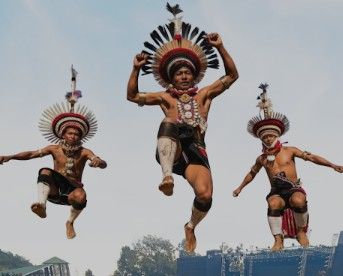
Hornbill Festival 2026 Guide: Dates, Story, Food & Everything You Need to Know
Hornbill Festival, Nagaland: Why It's Called the "Festival of Festivals"
High up in the forests of Nagaland lives a bird the Naga people have always looked up to, quite literally. The hornbill, with its bold size and striking colors, has long stood for strength and valor in Naga folklore. Warriors wore its feathers; its image found its way into tribal art and stories passed down for generations.
Held every year from December 1st to 10th at Kisama Heritage Village near Kohima, it brings together all the tribes of Nagaland under one roof for ten days of music, dance, food, and tradition. People often call it the "Festival of Festivals," and for good reason. It isn't tied to just one community's celebration, it's where every tribe shows up with its own colors, customs, and stories, making it less a single festival and more a meeting point for all of them at once.
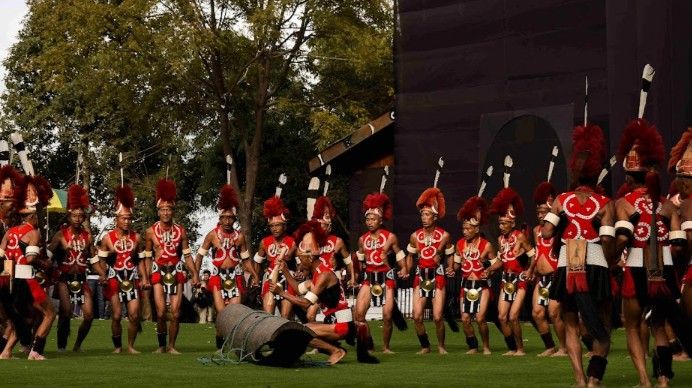
Hornbill Festival Name Meaning: Why Nagaland Chose This Sacred Bird
The story behind the name centers on the immense veneration for the great Indian hornbill bird across Nagaland's indigenous groups. Since Nagaland is home to 17 distinct major tribes—each with its own distinct language and customs—the state government needed a unifying name when they created the festival in 2000. They chose the hornbill because it is the single most universally admired creature found in the folklore, myths, and songs of almost every single Naga tribe.
For the Naga people, this magnificent bird represents courage, loyalty, and strength. Its distinctive black-and-white tail feathers hold deep cultural significance and are regarded as sacred. In the past, wearing these prized feathers was a privilege reserved for the bravest warriors and the most respected village elders, symbolizing honor and achievement within the community. By choosing this revered bird as its namesake, the festival embraces a shared symbol of pride, unity, and heritage that resonates across all Naga tribes.
Kisama Heritage Village: Inside the Hornbill Festival's Living Tribal Village
The name Kisama is actually a modern acronym, created when the state government combined parts of the names of the local villages that donated their land for this cultural sanctuary — KI from Kigwema village, SA from Phesama village, and MA meaning "village" in the local dialect. Located about 12 km from Kohima, walking into Kisama feels like stepping back in time, since the entire site is designed to resemble a large, traditional tribal settlement. During the festival, each of Nagaland's 17 tribes sets up its own beautifully crafted Morung. For travellers, these become the ultimate cultural hotspots, places where you can sit with the locals, hear their history firsthand, and taste incredible traditional food.
Lesser-Known Facts About the Hornbill Festival You Probably Didn't Know -
Not the State Bird-
The festival is named after the hornbill, but Nagaland’s official state bird is actually the Blyth’s tragopan.
Extreme Chili Contest -
The famous eating competition features the Naga King Chilli, famously known as one of the world's hottest peppers.
Eco-Friendly Huts -
Every single tribal Morung(a traditional youth dormitory or community learning house that acted as the heart of ancient Naga village life before modern schools and universities existed in Nagaland) is built by hand using 100% natural, eco-friendly materials like bamboo, wood, and thatch.
100% Authentic Dances -
The intense war dances and ceremonies performed in the arena are raw, historic rituals, not staged tourist acts.
17 TRIBES, ONE STAGE - THE HEART 0F HORNBILL FESTIVAL
The true heart of the Hornbill Festival can be summed up in four words: 17 Tribes, (Angami, Ao, Konyak, Sumi, Chakhesang, Lotha, etc.) One Stage. For decades, Nagaland's distinct tribes lived apart in the hills, speaking different languages and practicing separate customs. Today, this event brings them all together into one arena. Watching hundreds of warriors and dancers from every single tribe perform their ancient rituals side-by-side is an unforgettable, high-energy spectacle of pure unity.
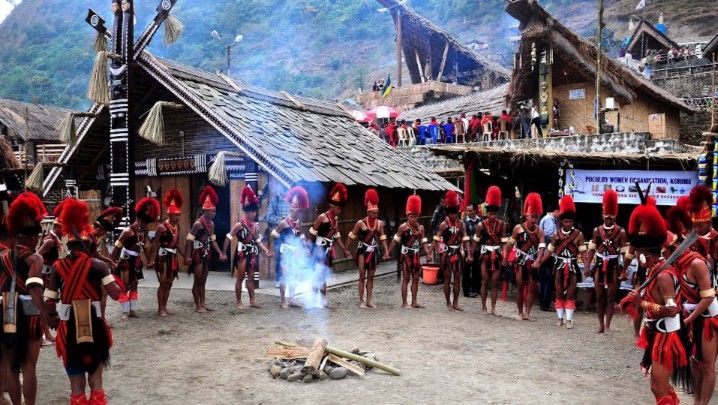
When to Go: Opening Days vs. Mid-Festival vs. Closing Ceremony
If you want to see the grandest, most explosive cultural performances, book your trip for the first three days (Dec 1-3). You will get to witness the legendary Opening Ceremony where all 17 tribes take the stage at once. However, if you hate massive crowds and want a more relaxed experience where you can actually sit inside the tribal huts, chat with the locals, and eat food without long lines, the mid-festival (Dec 4-7) is your sweet spot!
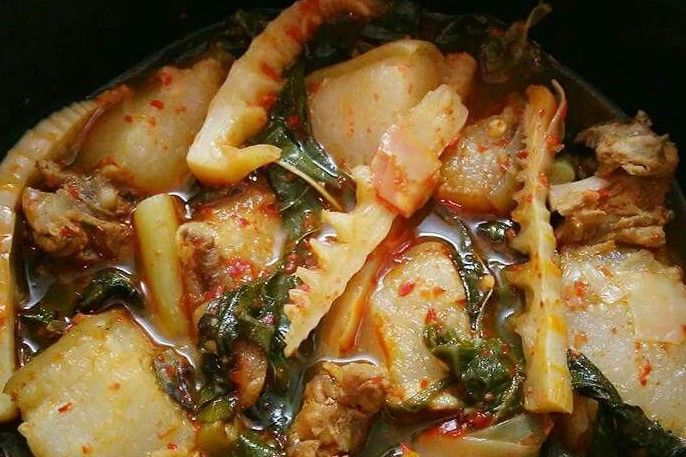
What to Eat at the Hornbill Festival: Must-Try Naga Dishes & Drinks
Smoked Pork with Bamboo Shoots
Axone
Zutho
Naga King Chilli Chutney(Ghost Peppers)
Galho
PLACE TO EXPLORE NEAR KOHIMA
Dzuko Valley - The paradise of Northeast
Khonoma village - Asia’s first green village
Dzuleke - The ultimate Eco-Retreat
Japfu Peak - Stand above the clouds
Pulie Badze Wildlife Sanctuary
Pfuthesro
Kapamodzu
Why You Need to Experience the Hornbill Festival in Person
Imagine standing around an open fire, surrounded by the thunder of tribal war drums and the wild energy of India’s most explosive mega-festival. For ten days, Nagaland turns into a sensory overload of ancient warrior dances, fiery cuisine, and legendary music—but the few beds in these misty hills vanish months before December. Stop watching from a screen; the ultimate cultural adventure is waiting, but only if you lock in your spot before the rest of the world beats you to it.
FINAL TIPS BEFORE YOU PACK YOUR BAGS -
Pack Serious Winter Layers:
Mountain temperatures plummet drastically after dark. Bring heavy jackets, beanies, thermals, and gloves to stay warm during the night carnivals.
Carry Ample Cash:
ATMs in Kohima and Kisama frequently run out of money or experience network failures due to the massive crowds. Cash remains king.
Bring Comfortable Walking Shoes:
Kisama Heritage Village is built entirely on a steep mountain slope. You will easily clock over 15,000 steps a day on uneven terrain.
Carry an Umbrella or Poncho:
High-altitude weather is famously unpredictable. A sudden mountain shower can happen at any time, even in December.
Respect Local Customs:
Always ask for permission before taking close-up portraits of the village elders or stepping inside the sacred areas of the Morungs.
Keep Hand Sanitizer and Wipes Handy:
Festival food is a hands-on experience, and public restroom amenities can be basic when crowds peak.
Download Your Offline Maps:
Mobile networks fail constantly under the weight of thousands of tourists. Screenshot your tickets, hotel locations, and vehicle details beforehand.
Frequently Asked Questions (FAQs)
1. What are the official dates of the Hornbill Festival?
The festival takes place every single year for exactly 10 days, running from December 1st to December 10th.
2. Do I need a permit to visit Nagaland for the festival?
Yes. Non-local Indian citizens must apply for an Inner Line Permit (ILP) online via the official Nagaland Government Portal for a small fee. Foreign nationals do not need an ILP but must register locally with the Foreigners Registration Office (FRO) upon arrival.
3. How much does an entry ticket cost?
Entry is surprisingly cheap! General day passes can be bought directly at the Kisama main gate for roughly ₹50 to ₹100 per day. Keep in mind that bringing a DSLR camera or video equipment requires an additional daily permit tag.
4. How do I reach the festival venue?
You will first fly or take a train into Dimapur which hosts Nagaland’s main transport hub. From Dimapur, you take a scenic 3-hour taxi ride up to Kohima,and use cheap local shuttle taxis to travel the final 12 kilometers to Kisama Heritage Village .
5. Is Nagaland safe for solo and women travelers?
Absolutely. Nagaland is widely considered one of the safest and most hospitable states in India for travelers. During the festival, the state government even deploys a dedicated, highly responsive Nagaland Tourism Police force specifically to assist tourists.
6. Is vegetarian food available at the festival?
While Naga cuisine is famously meat-heavy (featuring smoked pork and beef), vegetarians will not starve. You can easily find delicious organic boiled vegetables, local lentil stews (Galho), bamboo shoot chutneys, fresh local fruits, and standard Indian/Chinese dishes.
7. Can I attend the Hornbill Rock Concerts with the same entry ticket?
No. While your morning entry ticket gives you access to the main arena cultural shows, the evening music concerts — including the Hornbill International Rock Contest (HIRC), one of India's biggest rock band competitions — require a separate ticket purchased at the venue gates.
