

But if you’re heading there for the first time, you’re probably wondering: What exactly should I do at the Hornbill Festival? Here’s your ultimate guide to making the most of it.
10 Things to Do at the Hornbill Festival 2025
1. Watch Tribal Performances and Dances
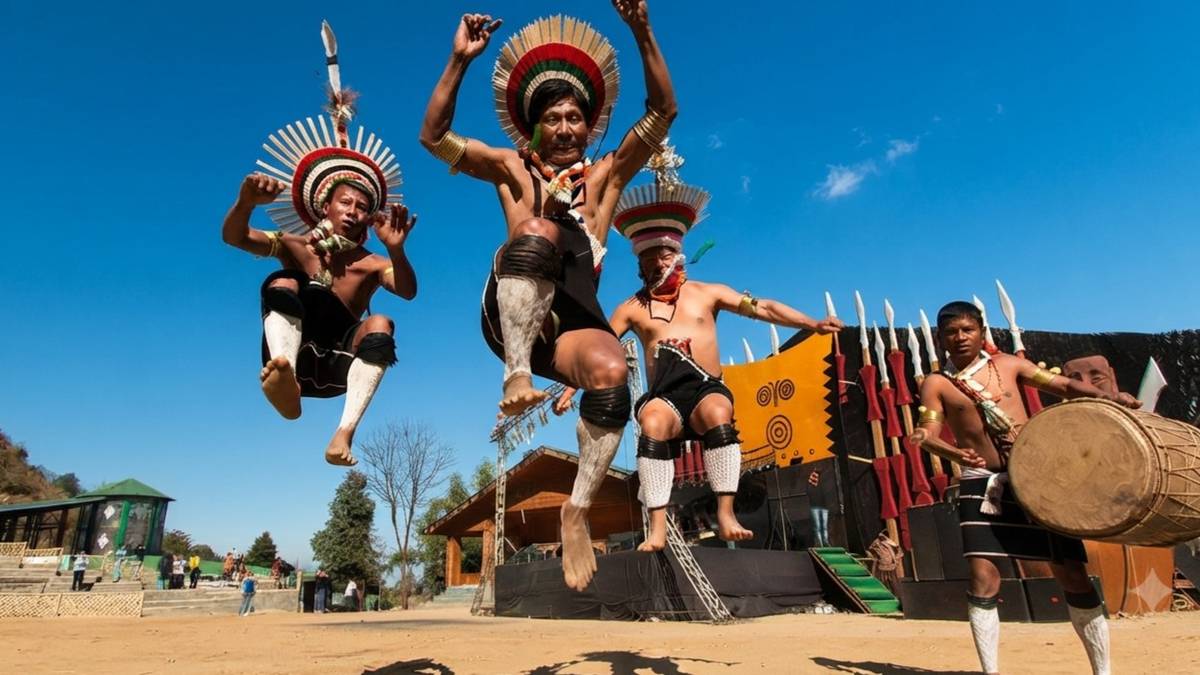
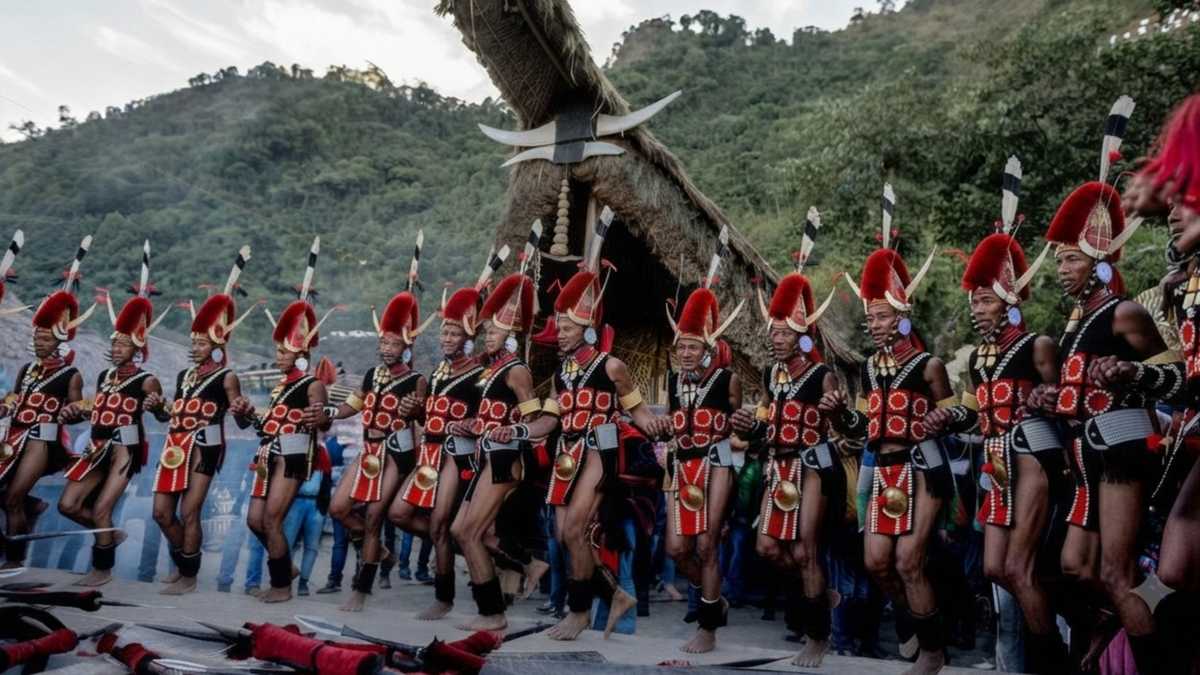
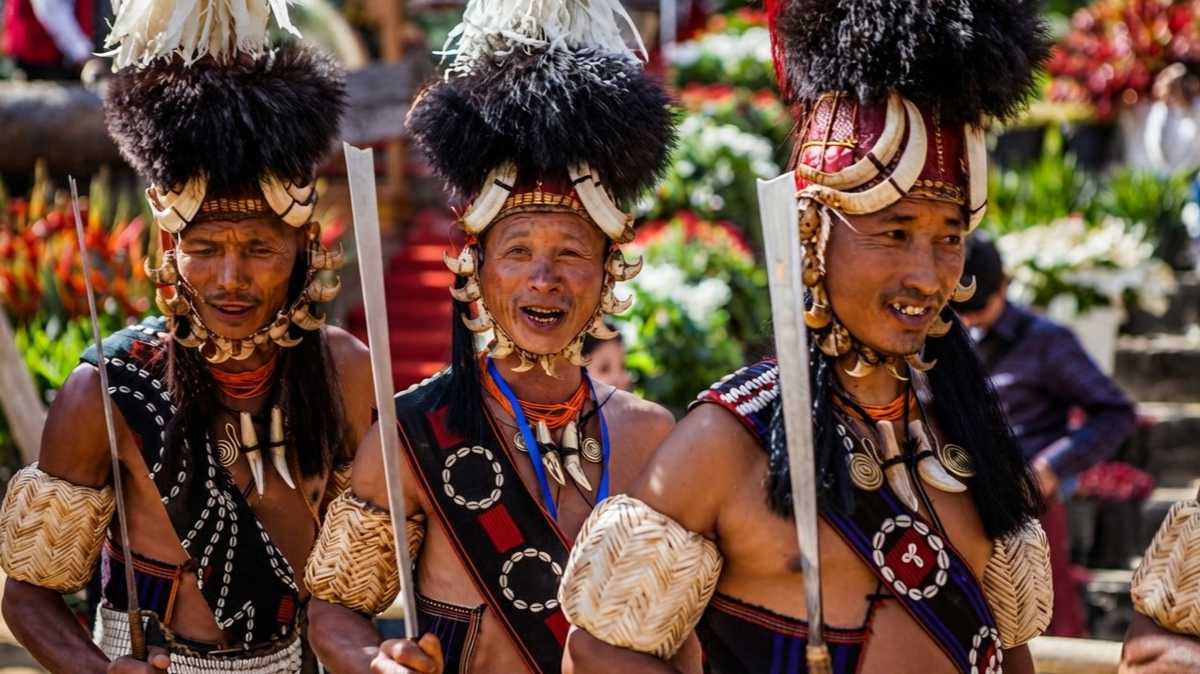
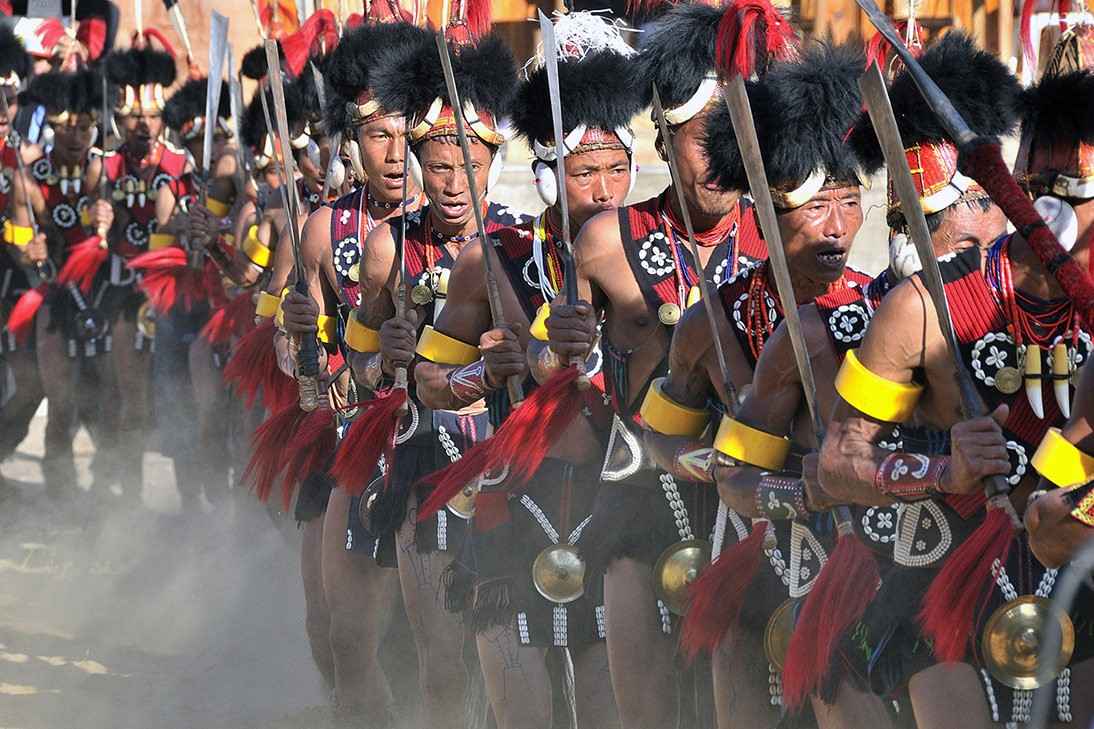
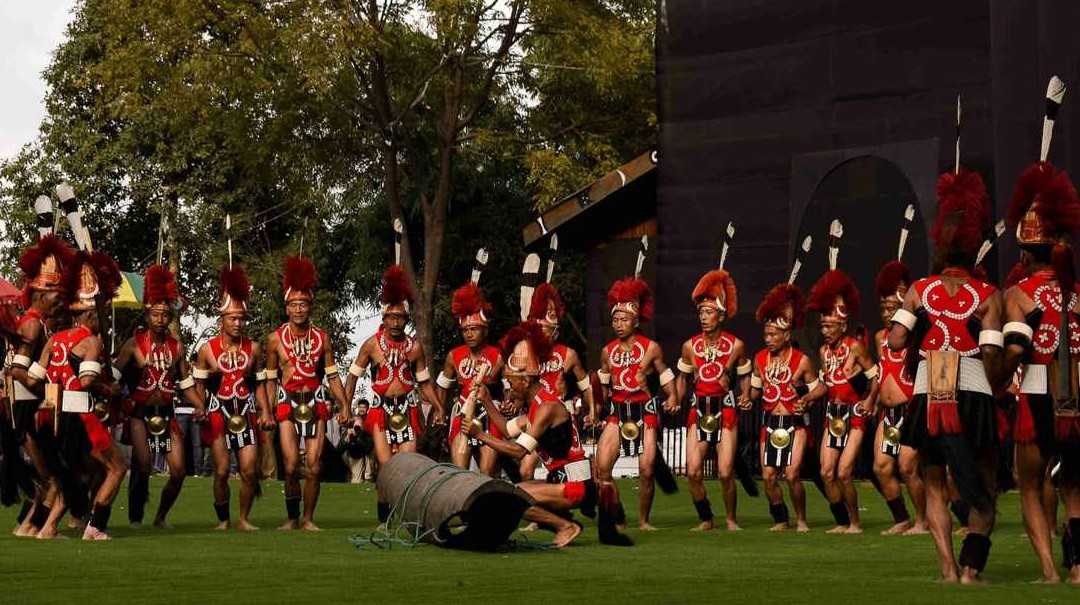
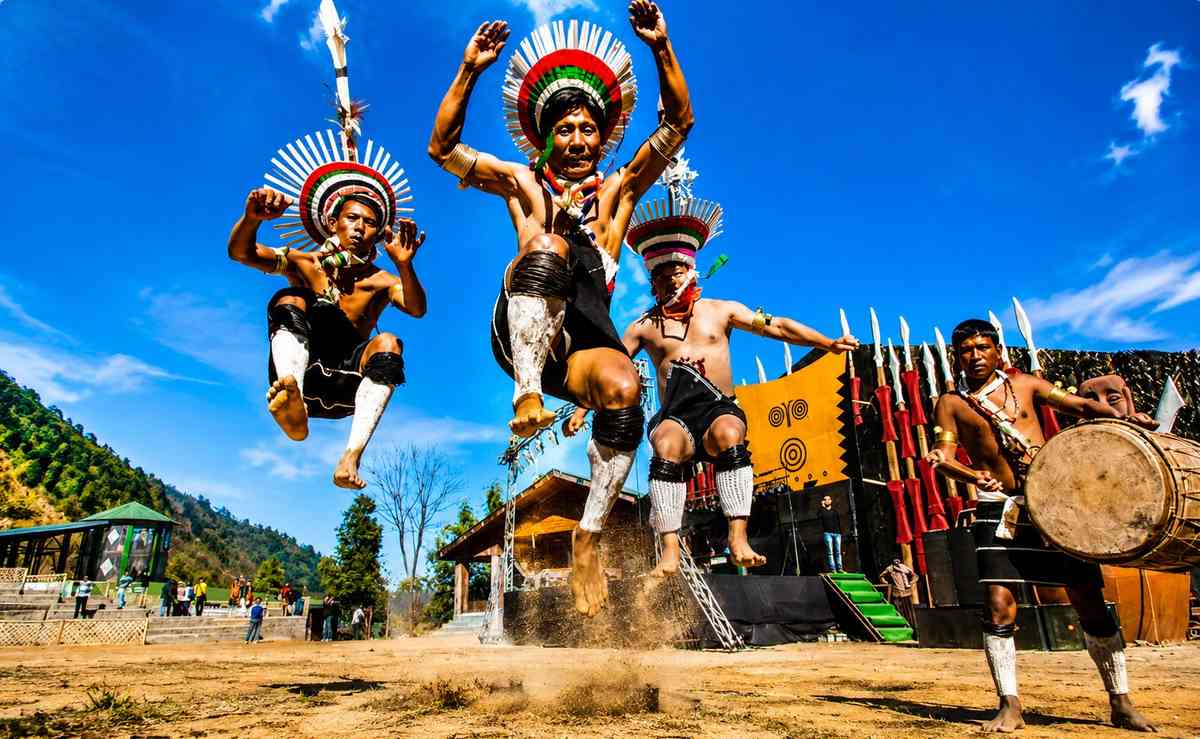
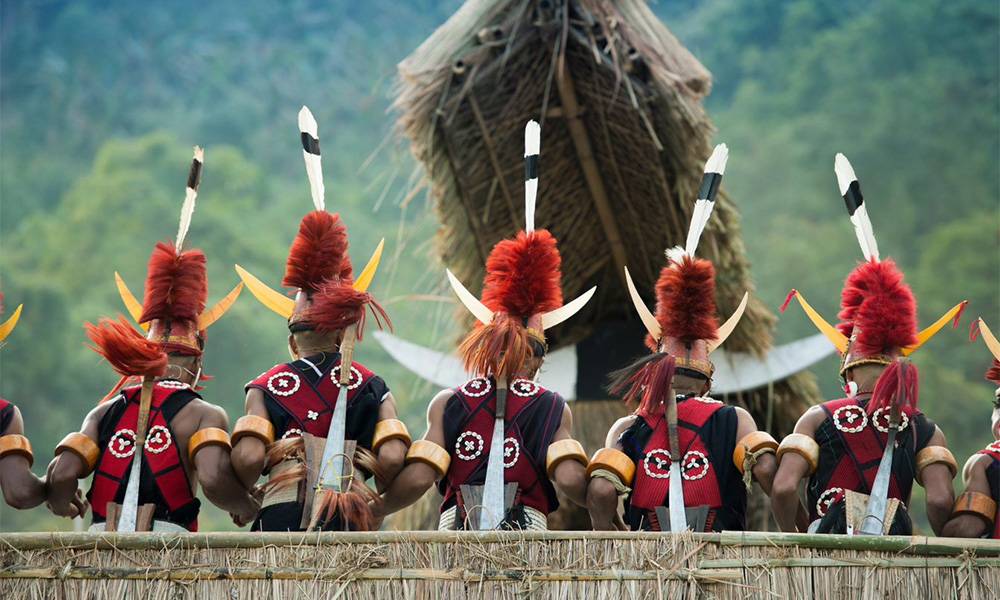
The highlight of the Hornbill Festival is the daily cultural performances by Naga tribes. Each of the 16 tribes of Nagaland presents their traditional dance, music and rituals. From war dances to folk songs, it’s a live showcase of traditions that are centuries old.
Pro tip: Don’t just watch from a distance, join the dances when invited. It’s a once-in-a-lifetime experience.
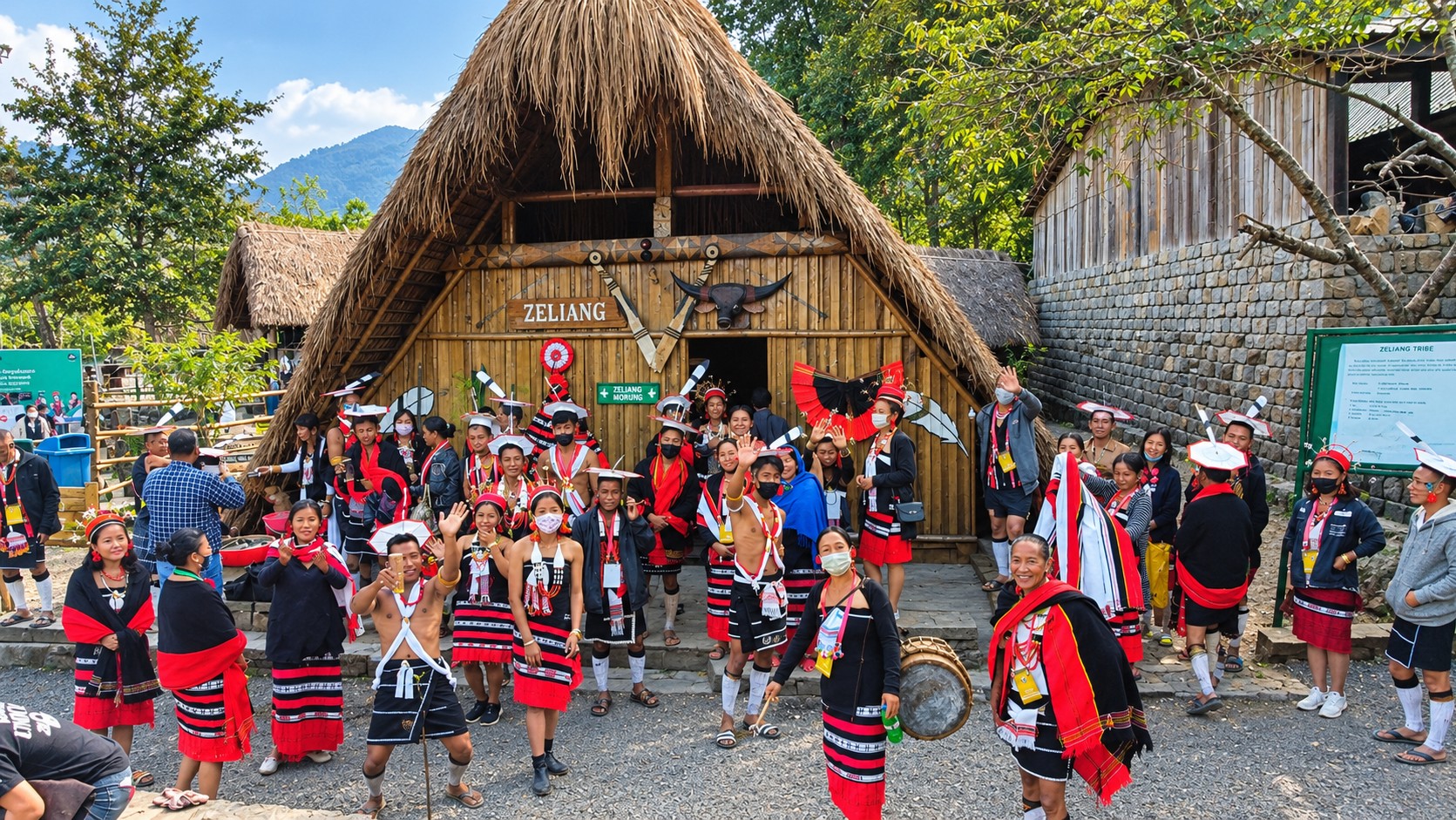
2. Explore the Morungs (Traditional Tribal Huts)
Each tribe sets up a morung, a traditional hut, decorated with symbols, crafts and tools that represent their culture. Step inside and you’ll see handwoven textiles, bamboo art, tribal weapons and more. Locals are usually happy to explain their traditions, making this a must-do for anyone curious about Nagaland’s heritage.
3. Taste Local Food and Rice Beer
Hornbill isn’t just about what you see; it’s also about what you eat. From spicy smoked pork with bamboo shoot to sticky rice, wild herb chutneys, and Axone (fermented soybean) that adds a rich, earthy flavour to many Naga dishes, the food stalls here are a treat. Don’t forget to try Zutho, the local rice beer, often served in bamboo mugs.
If you’re feeling adventurous, try the fiery king chilli dishes but keep water handy!
4. Attend the Hornbill International Rock Contest
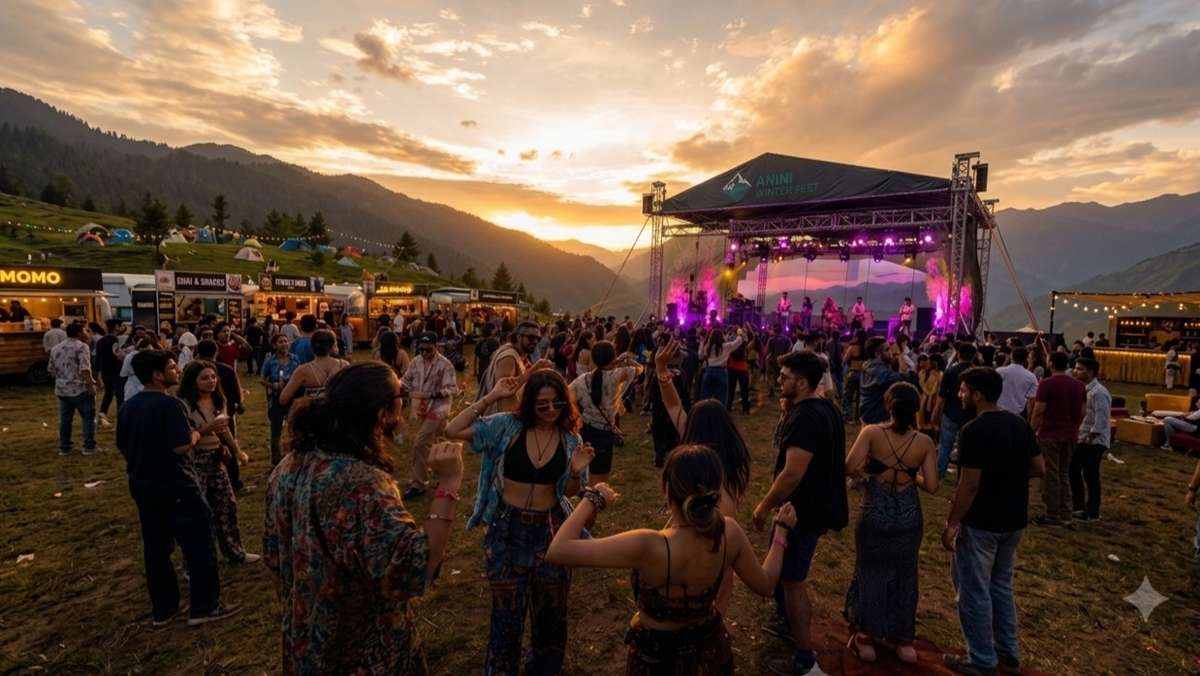
While the day belongs to tribal culture, the nights light up with the Hornbill Rock Contest, one of the biggest music competitions in India. Bands from all over the country (and sometimes beyond) come to compete, making it a massive draw for music lovers.
Think of it as Nagaland’s way of saying: heritage and modernity can co-exist beautifully.
5. Shop at the Handicraft & Handloom Bazaar
Looking for souvenirs? The festival has a huge bazaar featuring handwoven shawls, bamboo crafts, jewellery and tribal artefacts. Every piece tells a story and directly supports local artisans.
Tip: Bargaining isn’t common here; pay fair, as the money goes directly to local communities.
6. Witness Traditional Games and Sports
From archery contests to traditional Naga wrestling, the festival hosts plenty of indigenous sports events. You’ll also witness traditional rock pulling, a powerful display of teamwork and strength, along with demonstrations of hunting techniques, war games, and log drum beating ceremonies.
These aren’t just performances; they’re cultural legacies being preserved right before your eyes.
7. Experience Night Carnival in Kohima
After the main festival events, head to Kohima’s night carnival. The streets come alive with food stalls, music, parades, and a festive vibe that continues late into the night. Also, check out the after-parties, where locals and visitors come together to dance, celebrate, and share stories. It’s the perfect way to soak in the local flavours and community spirit.
8. Visit Kisama Heritage Village
The festival is held in Kisama Heritage Village, about 12 km from Kohima. Beyond the festival grounds, Kisama is a living museum of Naga architecture, tribal huts and cultural symbols, where nature and tribal heritage blend in one place. Arrive early to explore it before the performances begin.
9. Join Workshops and Exhibitions
Hornbill Festival often features workshops on traditional crafts, cooking, music and storytelling. These interactive sessions let you learn hands-on from locals, whether it’s weaving bamboo baskets or cooking with wild herbs.
10. Go Beyond the Festival – Explore Nagaland
While you’re here, don’t just stop at the festival. Nagaland has incredible landscapes and experiences, from trekking in Dzukou Valley to exploring Dzuleke, Longwa (home to the last headhunters), and Pfütsero, the highest and coldest town in the state. You can also visit the Kohima War Cemetery and nearby local villages. The festival is the perfect gateway to dive deeper into Nagaland.
Explore Nagaland with Encamp Adventures
Experience the Hornbill Festival the right way with curated itineraries that blend local culture, community stays, and immersive adventures across Nagaland. Whether you are here for the festival or the wilderness beyond, Encamp has you covered.
Itinerary Name Explore Itinerary Hornbill Festival - 3 Nights / 4 DaysCheck Full ItineraryHornbill Festival - 4 Nights / 5 Days Check Full ItineraryHornbill Festival - 5 Nights / 6 Days Check Full ItineraryTravel Smart: Tips for Hornbill Festival
- Book your stay early. Hotels and homestays in Kohima fill up months in advance.
- Carry warm clothes. December nights in Nagaland get very cold.
- Get an Inner Line Permit (ILP) if you’re an Indian citizen (foreigners need a Protected Area Permit).
- Respect local customs. Ask before taking photos, especially in tribal morungs.
FAQs
1. Where is the Hornbill Festival held?
It takes place at Kisama Heritage Village, around 12 km from Kohima, Nagaland.
2. When is the Hornbill Festival?
The festival is usually held every year from 1st to 10th December.
3. How many tribes participate in the festival?
All 16 major Naga tribes participate, each showcasing their cultural heritage.
4. Can foreigners attend Hornbill Festival?
Yes, foreigners are welcome but require a Protected Area Permit (PAP).
5. Is Hornbill Festival worth visiting?
Absolutely. It’s the best way to experience the cultural, culinary and musical richness of Nagaland in one place.