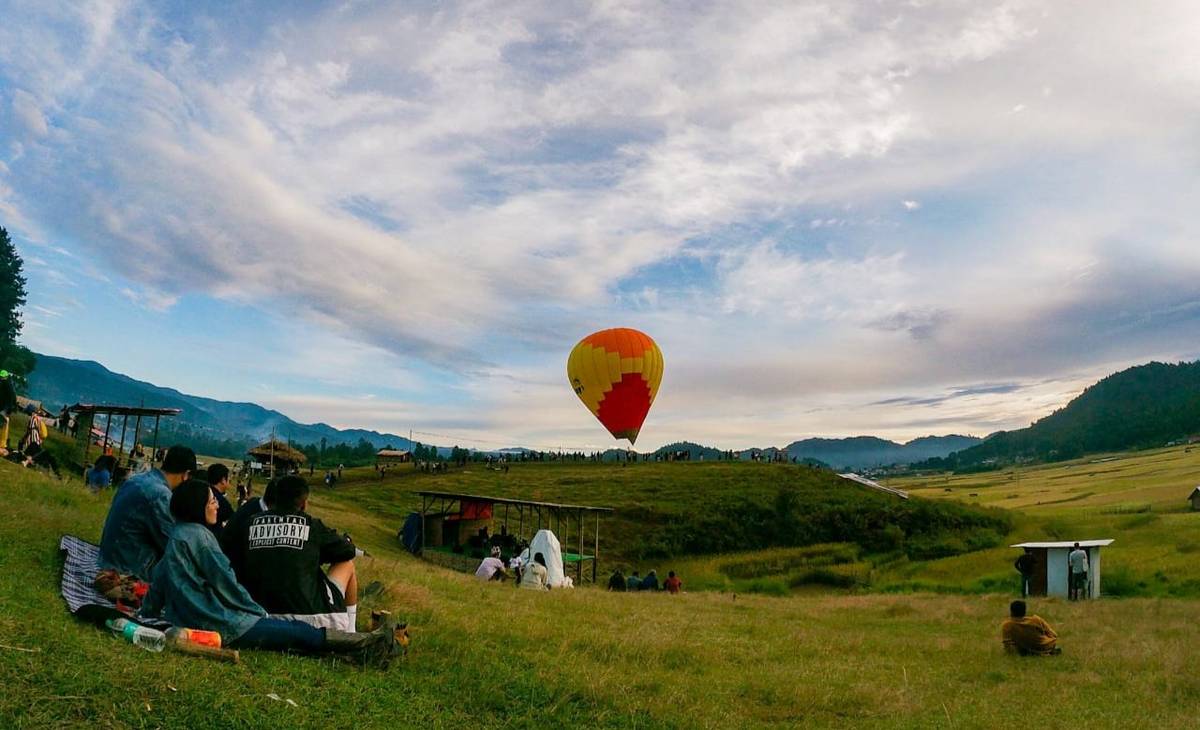


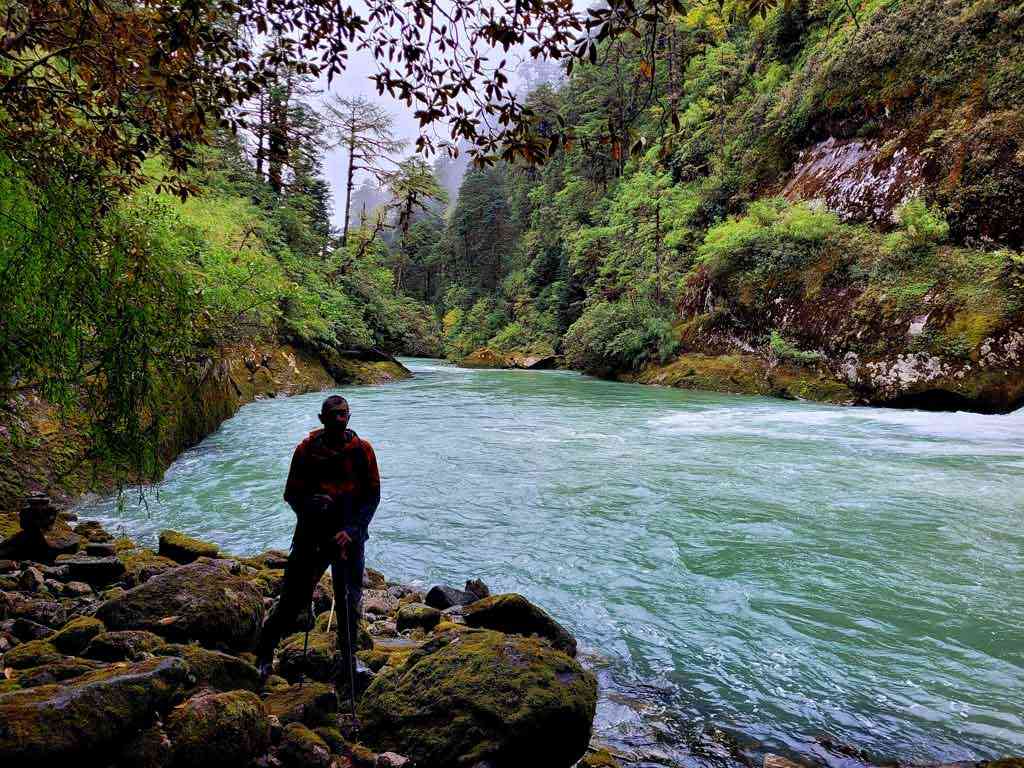
Why Choose the Aeyo Valley Trek
The Aeyo Valley Trek is a rare adventure that blends history, nature and culture into one unforgettable journey. Hidden in the remote Dibang Valley district of Arunachal Pradesh, Aeyo Valley is often referred to as the “Valley of Glaciers” for its shimmering glacial lakes, icy streams and untouched alpine terrain. For centuries, this valley served as a traditional hunting and trade route for the Idu Mishmi tribe, one of the oldest and most fascinating communities in North-East India. These ancient trails once connected remote villages through the dense forests of the Eastern Himalayas, making Aeyo not just a trekking route but a passage through living history.
The valley’s isolation has allowed it to remain largely unspoilt. Even today, Aeyo retains its raw wilderness and tribal charm, far removed from the commercial trekking circuits of Himachal or Uttarakhand. For trekkers seeking authenticity, this makes it one of the most pristine and rewarding treks in the country.
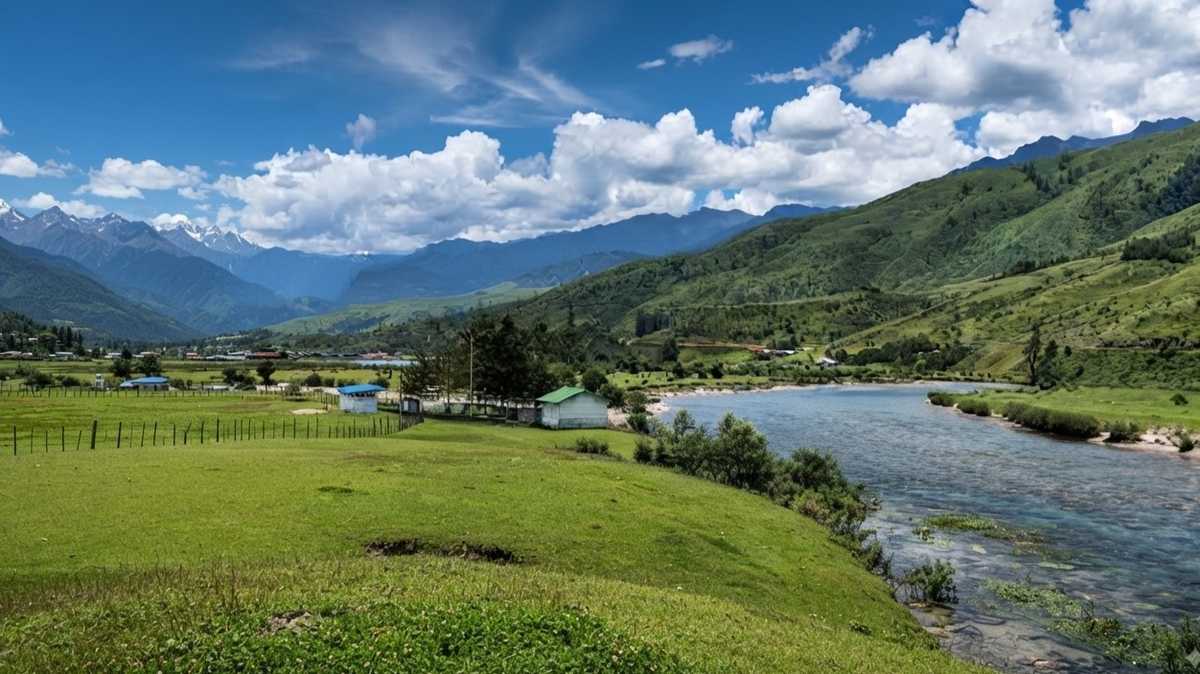
The route takes you through a remarkable transition of landscapes, starting from lush subtropical rainforests, moving through rhododendron-covered hills and leading to vast alpine meadows and glacial basins. Along the way, you will encounter rare orchids, cascading waterfalls and sightings of exotic species such as the Mishmi takin and clouded leopard. Every turn of the trail reveals something new, making it a paradise for photographers, birdwatchers and nature enthusiasts.
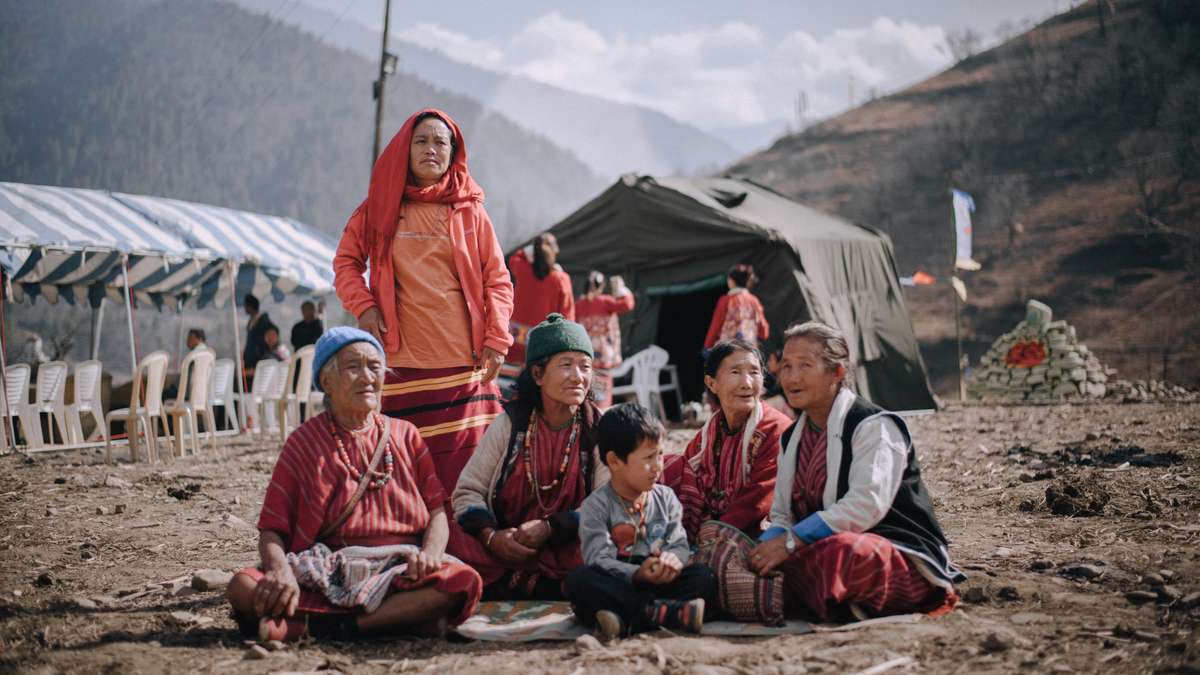
Culturally, the Aeyo Valley Trek is just as rich. The Idu Mishmi people you meet along the way are known for their deep connection to nature and their animist traditions. Their villages are adorned with traditional wood carvings, and their folklore speaks of spirits that guard the forests and rivers. Engaging with them gives trekkers an authentic glimpse into one of India’s most unique indigenous cultures.
So, why choose the Aeyo Valley Trek?
Because it is more than just a physical adventure; it is a journey through untouched nature, ancient tribal heritage and pure Himalayan solitude. Unlike crowded routes, Aeyo offers peace, challenge and discovery in equal measure. It is perfect for trekkers with moderate to high fitness levels who crave an offbeat trail that rewards effort with breathtaking views and meaningful experiences.
In every sense, the Aeyo Valley Trek captures the true spirit of exploration, remaining remote, raw and deeply rooted in history.
Aeyo Valley Location and Travel Guide
The Aeyo Valley is located in the Dibang Valley district of Arunachal Pradesh, with Anini serving as the main base for the trek. The nearest airport is Dibrugarh, followed by a scenic drive to Anini.
Because of the valley's remote location, mobile network coverage is limited, and trekking facilities are minimal. It is important to carry all necessary gear and essentials before starting the trek.
Aeyo Valley Trek Overview – Terrain, Distance, Difficulty
The Aeyo Valley Trek typically takes 6 to 7 days, depending on the chosen itinerary. Most trekkers cover a distance of 45 to 50 kilometers, exploring the remote and pristine landscapes of the valley. The altitude varies along the trail, with the lowest points near riverbeds and the highest points near glacial lakes, offering moderate elevation gains that require stamina and careful pacing.
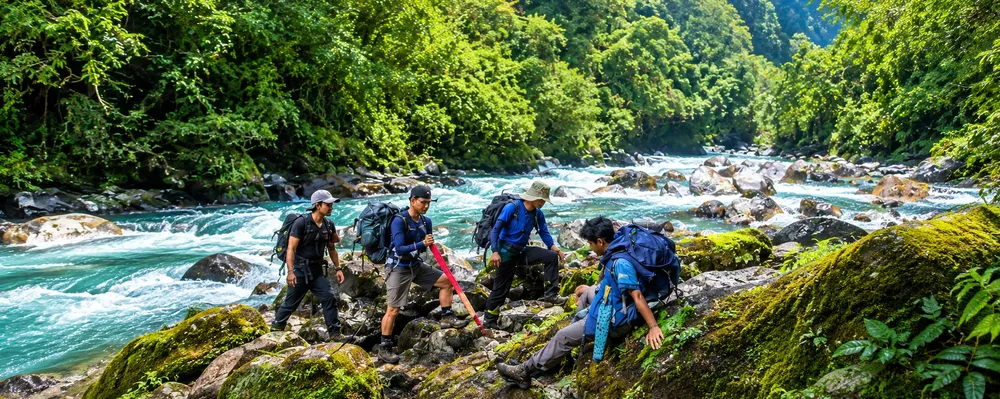
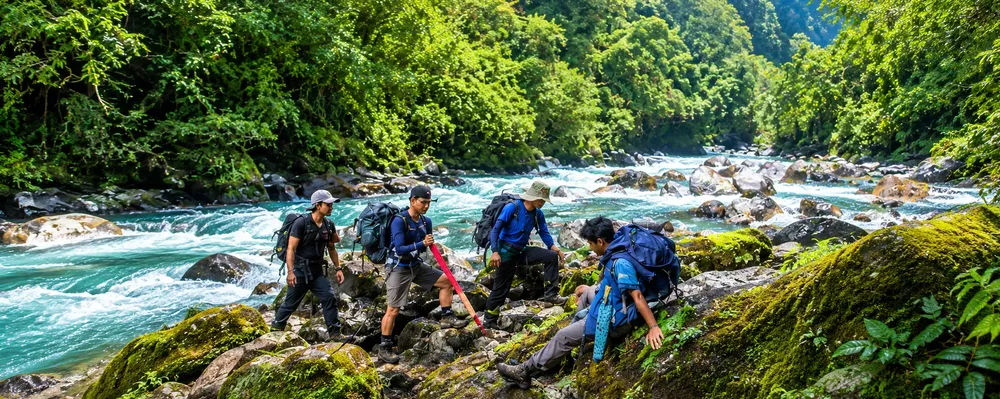
The trek passes through dense primary forests, rhododendron, cedar and pine woods, and includes waterfalls, river crossings and marshy or uneven terrain. Higher sections feature alpine meadows, glacier-fed lakes and occasional snow patches depending on the season.
This trek is suitable for travellers with moderate to high fitness levels and some prior trekking experience. Safety is an important consideration, as weather can change rapidly and the trail is remote. It is highly recommended to trek with a trained guide and proper arrangements to ensure a safe and enjoyable journey.
What to Expect On the Trail
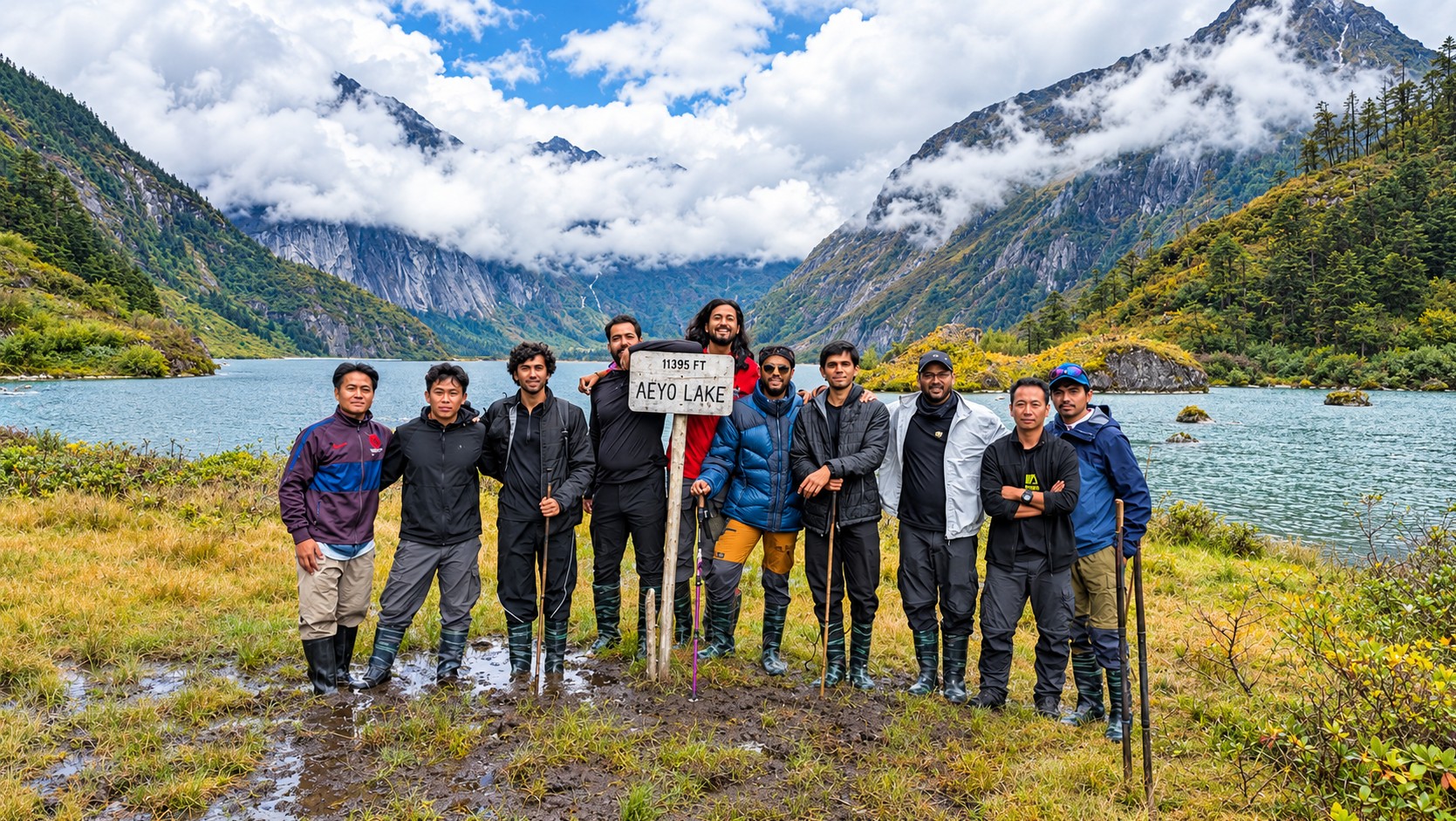
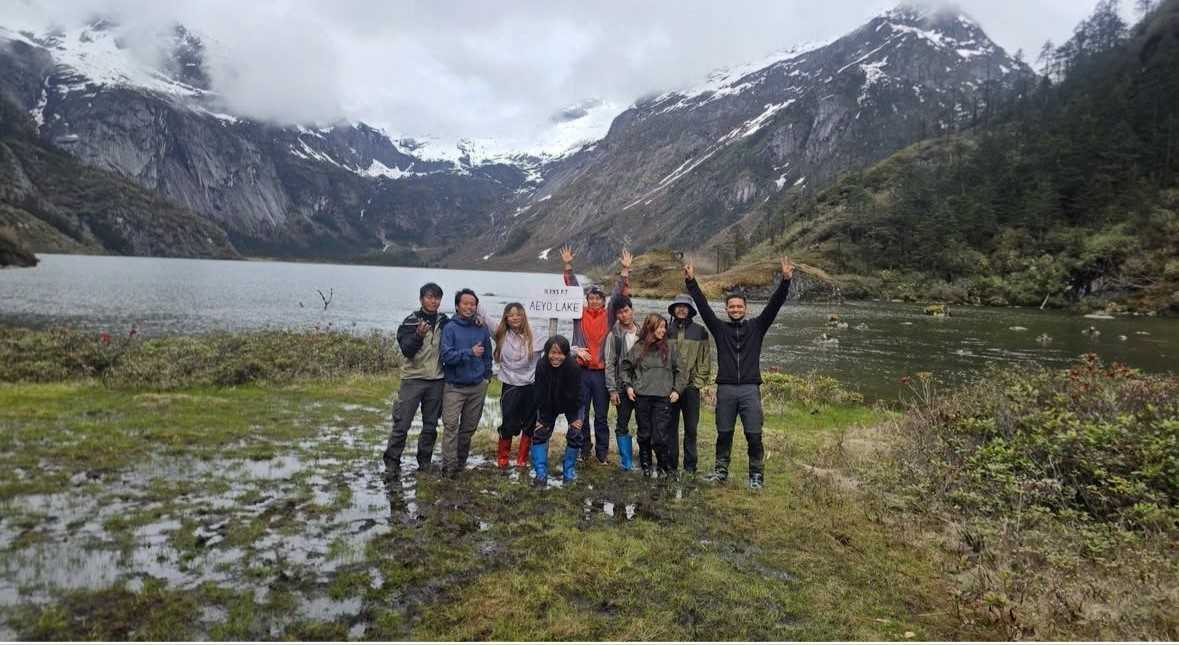
The Aeyo Valley Trek offers stunning natural sights, including waterfalls like Pomo and Zawru, glacial lakes, moss-covered forests, riverside meadows and remote landscapes. The valley is a biodiversity hotspot, home to unique flora and wildlife. Rare medicinal herbs such as wild ginseng are found here, along with endangered species like the Mishmi takin, musk deer and snow leopard. This rich ecosystem makes Aeyo Valley a true paradise for nature enthusiasts and wildlife lovers.
Trekkers also get a chance to experience local culture by visiting tribal villages of the Idu Mishmi communities. Nights are spent camping in tents under the stars, adding to the adventure. The trek provides excellent opportunities for photography with panoramic vistas, reflective lakes, and untouched wilderness.
Some challenges include slippery log bridges, stream crossings, and marshy paths, so proper footwear and caution are required.
Aeyo Valley Trek Itinerary
Encamp Adventures offers the following flexible itinerary for the Aeyo Valley Trek. This plan is designed to give trekkers a complete experience of the valley’s natural beauty, wildlife, and cultural highlights.
Itinerary Name Explore Itinerary 7 Days & 6 Nights Aeyo Valley Trek Check Full Itinerary10 Days & 9 Nights Aeyo Valley Trek Check Full ItineraryClick "Check Full Itinerary" to view the complete plan, including distances, approximate trekking time, and all key highlights.
What to Pack for Aeyo Valley Trek
To trek the Aeyo Valley, travelers need an Inner Line Permit (ILP) and must follow restricted area rules of Arunachal Pradesh. It is recommended to trek in small groups with a local guide or travel operator for safety and navigation.
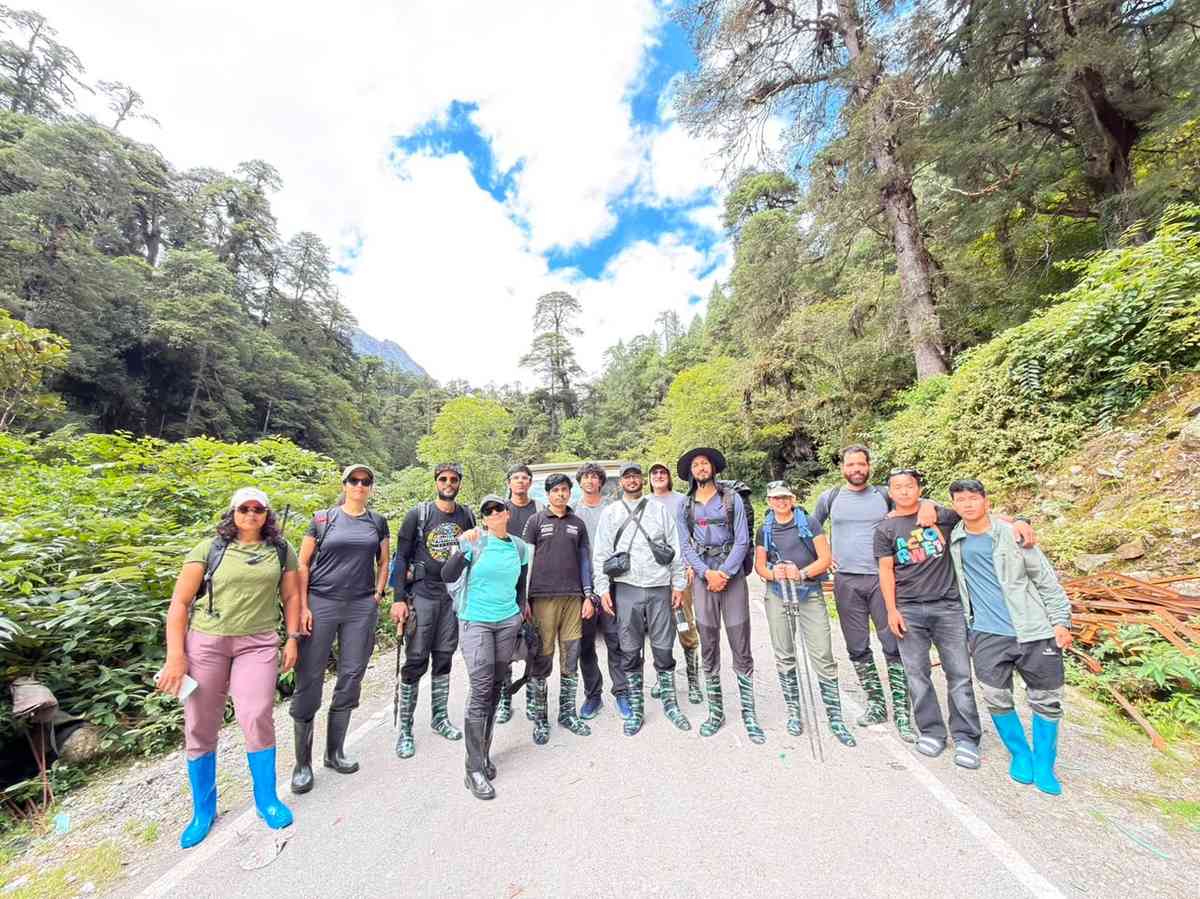
Pack warm layers, a rain jacket, good boots, gaiters, a sleeping bag, trekking poles, and a waterproof day-pack. Essentials include water purification, a first-aid kit, insect repellent, and a headlamp. For marshy terrain, consider waterproof boots or gumboots.
Accommodation is mostly tents or basic campsites, and meals are camp-style with limited options. Costs vary depending on trek duration, transport, and guide services.
Health and safety are important due to altitude, changing weather, and remote terrain. Always follow Leave No Trace principles to preserve the valley and respect local tribal communities.
Best Time to Visit Aeyo Valley
The best time to trek the Aeyo Valley is from March to May and September to November, when the skies are clear and the trails are accessible. Spring brings blooming wildflowers, while autumn offers crisp weather and panoramic views.
Monsoon months are risky due to heavy rainfall, slippery trails, and marshy paths. Winter can be very cold with occasional snow patches.
Before starting the trek, check road accessibility and trail conditions, as some paths may be muddy or difficult to navigate after rains.
Safety Tips and Health Precautions
The Aeyo Valley Trek is remote and challenging, so safety is important. Always trek with a trained local guide and stay with your group. Be prepared for rapid weather changes and carry adequate clothing for cold and wet conditions.
Monitor your health for altitude-related issues and stay hydrated. Wear proper footwear to handle slippery or marshy terrain. Carry a first-aid kit, insect repellent, and a headlamp.
Respect local rules, avoid venturing alone, and follow Leave No Trace principles to ensure both your safety and the preservation of the valley’s natural beauty.
Challenges and Tips for Success
The Aeyo Valley Trek is physically demanding with steep climbs, uneven trails, river crossings, and marshy paths. Trekkers should have a moderate to high fitness level and some prior trekking experience.
To succeed, pack smart with proper clothing and gear, trek with a local guide, and pace yourself to avoid fatigue. Check weather conditions and trail accessibility before starting. Respect local communities and follow Leave No Trace practices to ensure a safe and enjoyable trek.
Culture and Local Experiences
The Aeyo Valley Trek offers a chance to experience the rich culture of the region. Trekkers may visit Idu and Mishmi tribal villages, where they can observe traditional customs, local crafts, and daily life. Interacting with the locals provides insight into their unique way of living, festivals, and folklore.
These cultural encounters add depth to the trek, making it not just an adventure in nature but also a journey into the heart of Arunachal Pradesh’s heritage.
Extend Your Trip: Visit Anini
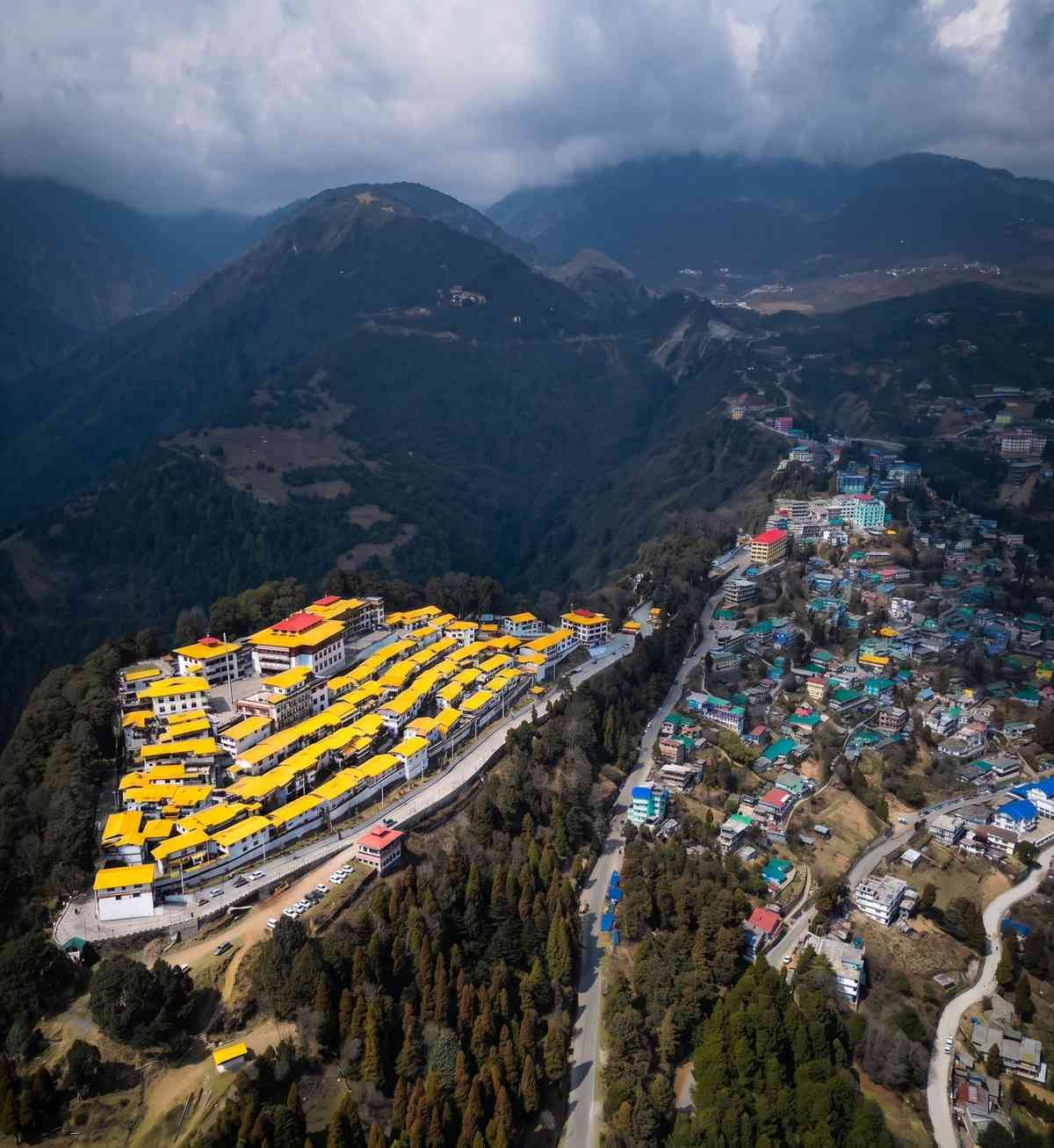
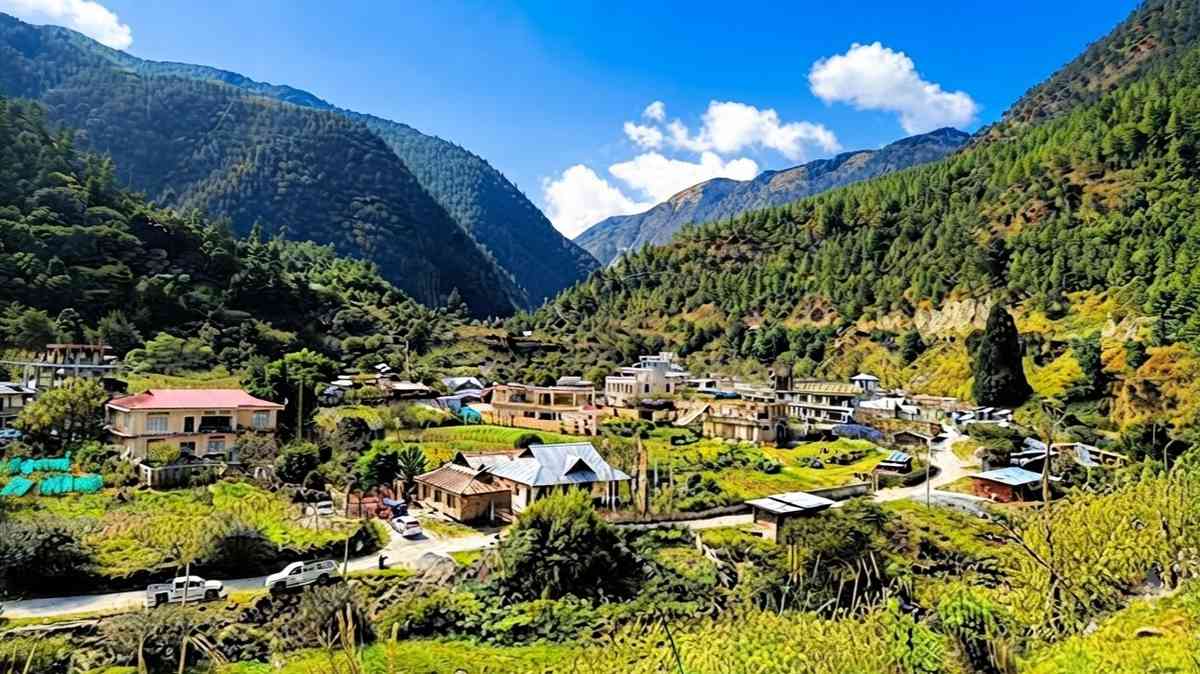
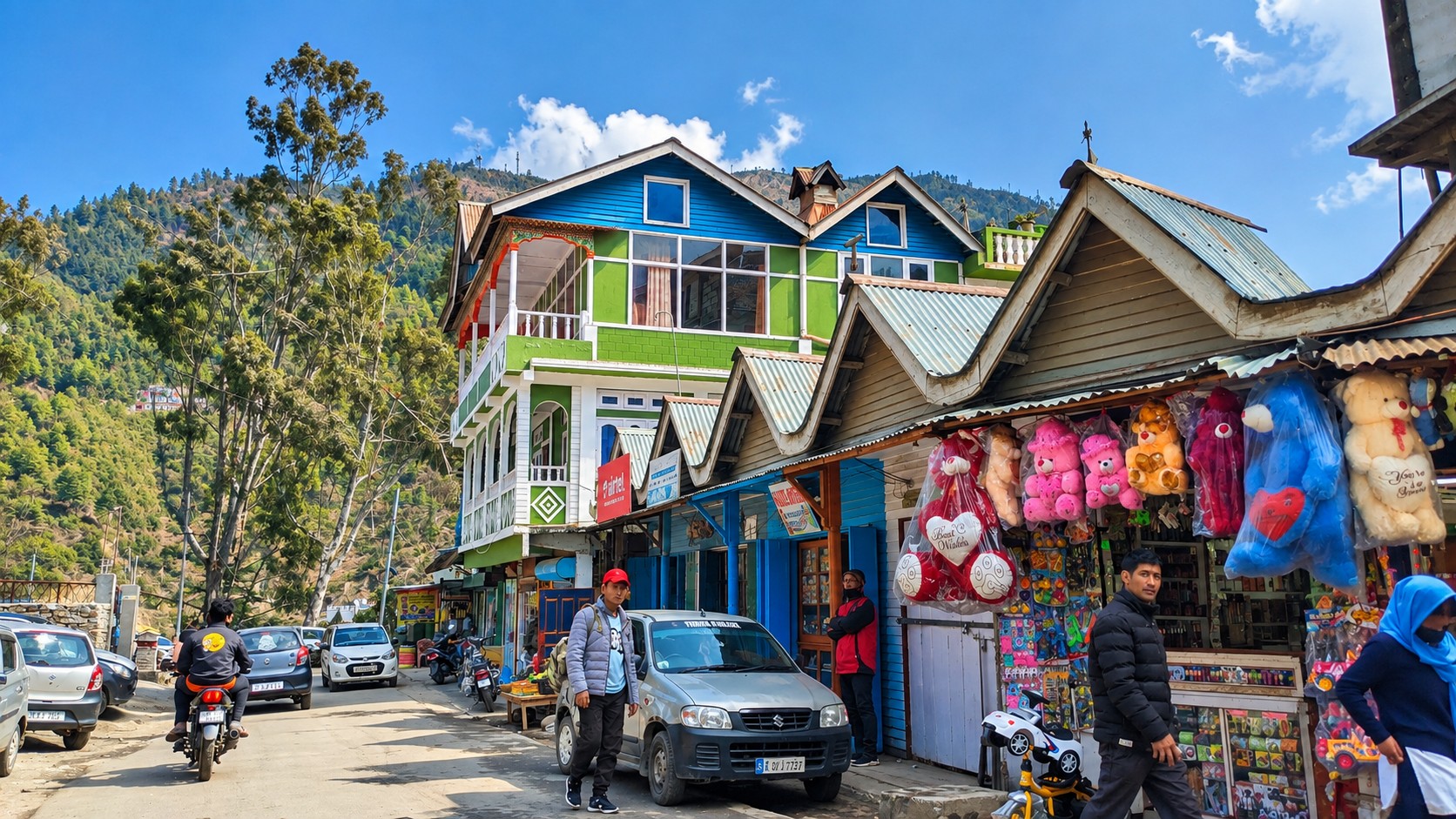
After completing the Aeyo Valley Trek, trekkers can explore Anini, the base town of the trek. Anini offers scenic views, local markets, and cultural experiences with the Idu Mishmi community.
Itinerary Name Explore ItineraryAnini Group Tour Check Full ItineraryYou can customize your trip according to your requirements, so contact us to plan your ideal trek.
Conclusion
The Aeyo Valley Trek is a unique adventure that combines stunning natural beauty, rich biodiversity, and cultural experiences. From dense forests and waterfalls to glacial lakes and tribal villages, every step offers a memorable experience.
With proper planning, the right gear, and a local guide, trekkers can safely enjoy this remote and pristine destination. The trek is perfect for those seeking solitude, adventure, and a chance to explore one of India’s most untouched valleys.
Frequently Asked Questions (FAQs) – Aeyo Valley Trek
1. Where is Aeyo Valley located?
Aeyo Valley is situated in the remote Dibang Valley of Arunachal Pradesh, India, in the Eastern Himalayas.
2. What is the best time to trek Aeyo Valley?
The ideal months are March to May and September to November. Avoid the monsoon season (June–August) due to heavy rainfall.
3. What is the difficulty level of the trek?
The trek is moderate to challenging, with steep ascents, river crossings, and marshy terrain.
4. How long is the trek?
The trek typically spans 7 to 11 days, covering approximately 35–40 kilometers.
5. Do I need a permit to trek Aeyo Valley?
Yes, an Inner Line Permit (ILP) is required for all non-resident Indian nationals.
6. What should I pack for the trek?
Pack warm clothing, rain jacket, trekking boots, sleeping bag, trekking poles, day-pack, water purification, first-aid kit, and insect repellent.
7. What kind of accommodation is available?
Accommodation consists mostly of tented camps along the trail, with basic facilities.
8. Is there mobile network coverage?
Network coverage is limited to non-existent in most parts of the trek.
9. What is the cost of the trek?
Costs vary by operator and duration. For example, an 7-day trek with Encamp Adventures is ₹45000 per person.
10. Can I trek Aeyo Valley independently?
It is strongly recommended to trek with a licensed guide or a reputable tour operator for safety and navigation.