

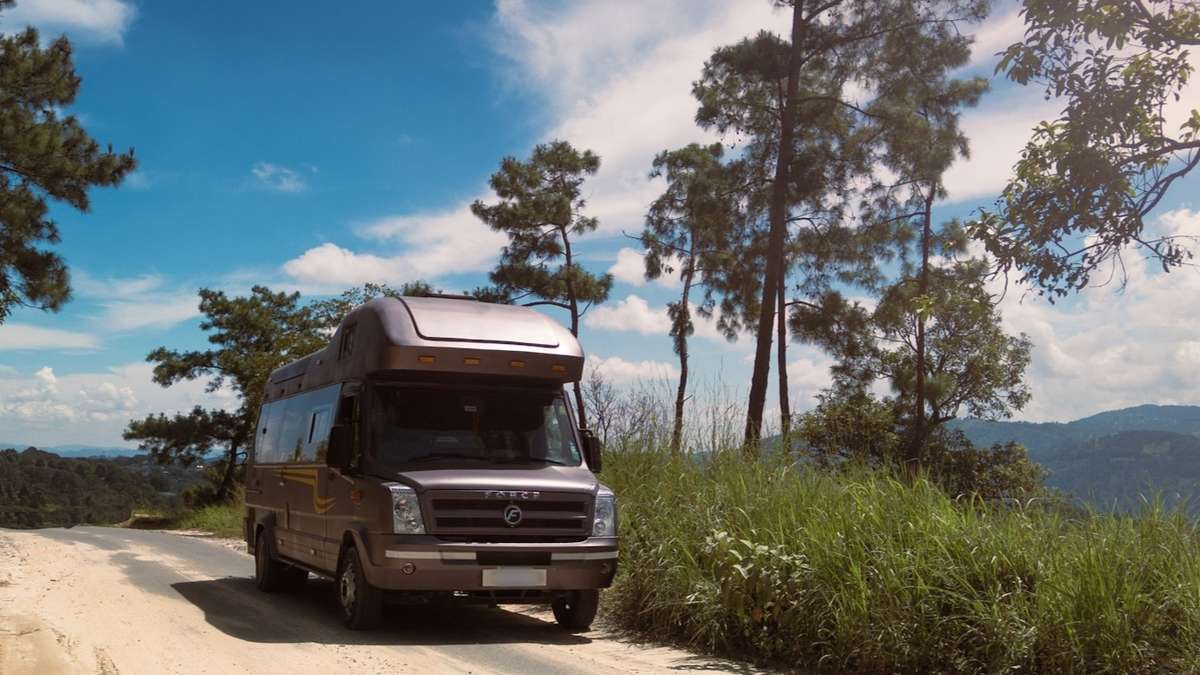
Caravan Travel in Northeast India : Everything You Need to Know Before You Hit The Road
What if your next holiday had no fixed checkout time, no buffet breakfast, and no room key? What if the view from your window changed every morning — misty hills one day, a tea garden the next? That's the freedom caravan travel is built on, and it's pulling Indian travellers toward a slower, more nomadic lifestyle. The numbers back it up: searches for Northeast India travel are up over 312%, even as the usual crowd- favourite destinations lose ground.
What started as van life and RV living in the West has found its way to India — and it could not have found a better home than the Northeast. Eight states, 200+ tribes, rivers, and mountain roads most people haven't discovered. Whether it's a camper van through Meghalaya's hills or a slow drive into Arunachal Pradesh — this is caravan tourism in India at its rawest.
In this guide: the best caravan routes in Northeast India, the caravan parks and caravan camping spots worth stopping at, and why this slow-travel movement is reshaping Indian tourism.
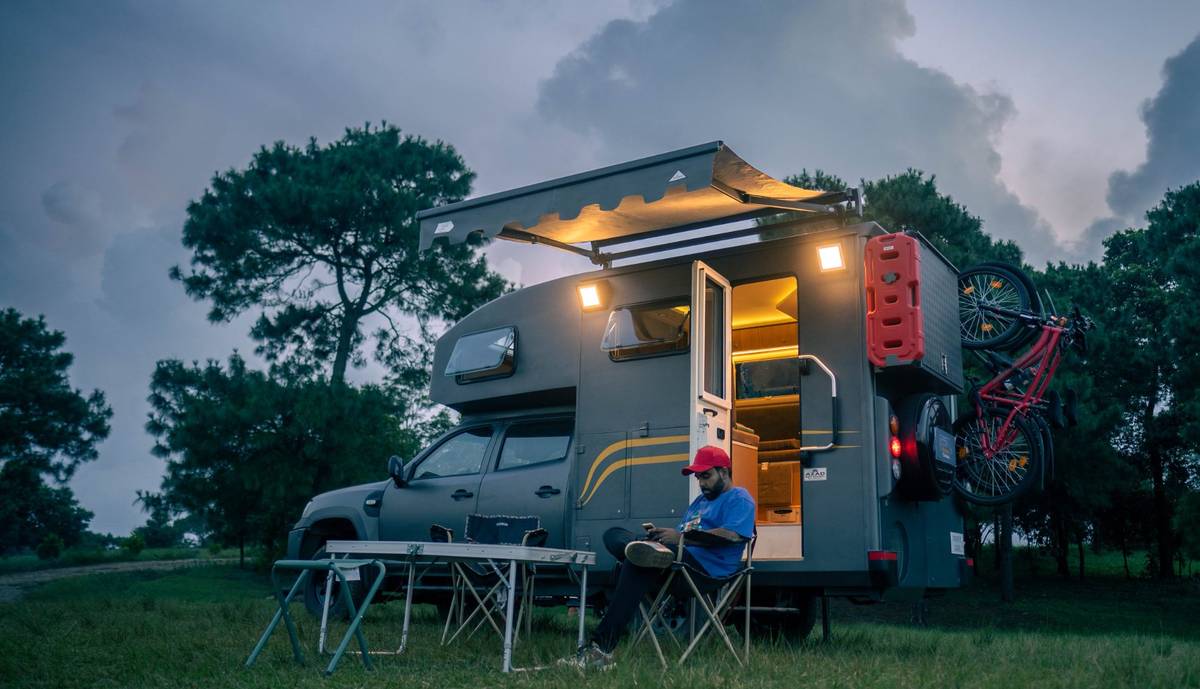
What Is Caravan Travel and Why Is It Perfect for Northeast India?
At its simplest, caravan travel in India means taking your home with you — travelling in a camper van, motorhome, or converted vehicle that lets you go wherever you want and stay as long as you like.
Northeast India fits that idea almost too well. It's a region of such variety and untouched landscape that slow, unhurried travel feels like the only way to actually see it — not rush through it.
How Caravan Travel in India Found Its True Home in the Northeast
Caravan culture was never really an Indian thing — or so we thought. For years it lived in Western road trip movies, YouTube van life vlogs, and Instagram reels of couples waking up next to European lakes. It felt distant, borrowed, and honestly not quite built for the roads of India.
Then 2020 happened. When flights were grounded and people were forced to rethink how they travelled, something clicked. The idea of a home on wheels — private, flexible, free — suddenly made complete sense for the Indian traveller. Caravan tourism in India began growing fast, and it hasn't slowed down since.
What's interesting is where this movement found its most natural home. Not Goa. Not Himachal. It found it in the Northeast — landscapes so untouched that they almost feel designed for slow, unhurried exploration. Young travellers are now picking up camper van rentals in Guwahati, converting their SUVs, and driving into Meghalaya and Arunachal Pradesh with nothing but an open road and a loose plan.
The West gave India the idea of caravan travel. The Northeast gave it a soul.
Caravan or Overlanding? 5 Key Differences Explained
Both promise freedom on the road, but they're built for different kinds of travellers. Here's how they actually differ.
The Vehicle — Caravans are fitted out for comfort, with a bed, kitchenette, and sometimes a bathroom. Overlanding vehicles are stripped-back and rugged, built to survive rough terrain over comfort.
The Terrain — Caravans stick to drivable, well-maintained roads. Overlanding goes further — off-road trails, river crossings, and routes that barely qualify as roads at all.
The Comfort Level — A caravan feels like a home on wheels. Overlanding trades that comfort for access to places a caravan simply can't reach.
The Planning — Caravan trips are easier to plan around fixed routes and caravan-friendly stops. Overlanding demands more preparation — recovery gear, fuel planning, and a higher tolerance for the unexpected.
The Experience — Caravan travel is slow and relaxed, ideal for soaking in a place. Overlanding is about the challenge itself — the journey matters as much as the destination.
In Northeast India, you don't have to pick one over the other. A caravan gets you deep into Meghalaya's hills or Assam's tea estates in comfort, while overlanding is what takes you further still — into Arunachal Pradesh's remote valleys few travellers ever reach. None of that would be possible without the Border Roads Organisation, whose engineers carve and maintain roads through some of the most punishing terrain in the country — often at altitudes and conditions few other road-building agencies in the world would attempt. Every overlanding route into Arunachal Pradesh's far corners exist because of work most travellers never think to thank.
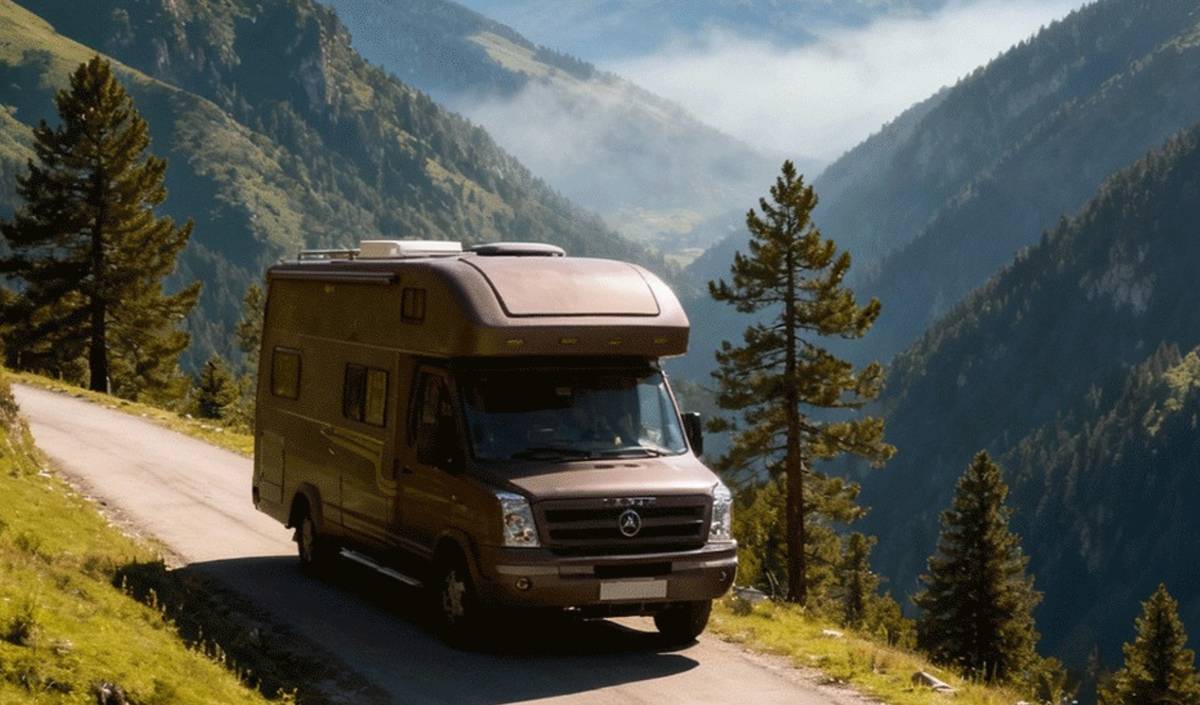
What Vehicle Do You Actually Need for a Northeast India Road Trip?
Not every caravan trip through the Northeast needs a 4x4 — but some routes absolutely do. If you're sticking to Meghalaya's hill roads, Assam's tea garden routes, or the more developed circuits in Sikkim, a standard caravan or well-maintained 2WD camper van will get you through comfortably; these are largely paved, well-signed, and increasingly caravan-friendly thanks to the infrastructure push covered earlier. But the moment you head into Arunachal Pradesh's remoter valleys, parts of Nagaland's hill terrain, or any route involving river crossings and unpaved stretches, a 4x4 stops being optional. Ground clearance, all-wheel traction, and a vehicle built to handle mud, gradient, and unpredictable monsoon conditions become the difference between an adventure and a breakdown. If you're unsure which category your planned route falls into, it's worth checking with a local operator before you commit to a vehicle — the terrain here can shift dramatically within a single state.
Northeast India Road Trip Infrastructure: How Government Policy Is Making It Caravan-Ready
Poor roads once kept travellers away from the Northeast — not anymore. India's Act East Policy has put the region at the heart of national strategy, with the DoNER Ministry funding it through schemes like PM-DevINE, and the Rising Northeast Summit 2025 alone brought in MoUs worth ₹4.48 lakh crore for development.
The change is visible: airports have grown from 6 in 2014 to 19 in 2024, and the rail network has expanded by 1,728 km. The Trans-Arunachal Highway — 1,811 km linking all 26 district headquarters of Arunachal Pradesh — is nearing completion, with tourism circuits already live under the Swadesh Darshan Scheme, making it one of the most exciting new caravan routes in India.
State tourism boards are building eco-campsites and caravan-friendly stops across Assam, Meghalaya, Sikkim, Nagaland, Mizoram and Arunachal Pradesh. The Northeast is being built for the traveller of the future — one arriving on four wheels with a home in tow.
Is Northeast India Safe for Travellers?
The most common question first-time visitors ask before planning a Northeast India road trip is — "but is it safe?" The honest answer is yes, more than most people expect.
In 2025, Northeast India consistently ranks among the safest destinations in the country for tourists. Solo travellers, families, and women travelling alone are exploring it regularly without incident. The hospitality here is genuinely warm — locals are used to welcoming outsiders and go out of their way to help. Social media has done more to fix this misconception than anything else. Thousands of honest travel reels and caravan road trip vlogs from real people have shown the Northeast for what it actually is — beautiful, safe, and completely worth the trip.
Tribes, Culture and Human Connection: What Caravan Travel in Northeast India Really Feels Like
No hotel breakfast, no resort pool, no guided city tour has ever come close to what the Northeast's indigenous tribes offer a traveller. This is a region of over 200 tribes — each with their own language, cuisine, traditions, and a way of welcoming strangers that feels like nothing you've experienced anywhere else in India.
Waking Up to Khasi Hospitality in Meghalaya
Park your caravan near a Khasi village in Meghalaya and you might wake up to a local elder inviting you in for a meal. The Khasis are one of the few matrilineal societies left in the world, where lineage and property pass through the mother's side — a detail that quietly shapes how open and community-driven daily life here feels to an outsider. Mornings often start with tea brewed over a wood fire and conversation that asks nothing of you in return. It's a small moment, but it's the kind that no resort breakfast buffet could ever recreate.
Nagaland's Hornbill Festival
Drive through Nagaland during the Hornbill Festival and you'll find yourself in the middle of one of the most visually stunning cultural celebrations on the planet — warriors in traditional headgear, fire dances, tribal music echoing through the hills.
Apatani Sustainable Living
Stop in an Apatani village in Arunachal Pradesh and you'll see a community that has practised sustainable farming for centuries, living in perfect harmony with the forest around them.
This is what caravan travel in Northeast India unlocks that a flight-hotel-checkout itinerary never can — real, unplanned, human connection. The tribes here don't just tolerate tourists. They genuinely welcome them. And once you experience that kind of hospitality, no five-star check-in will ever feel quite as memorable.
Navigating Caravan Camping Policies in the Naga Hills
Planning a caravan adventure through the breathtaking Naga Hills requires a clear understanding of local travel regulations and camping policies. To ensure a seamless road trip, travelers must navigate specific entry requirements, such as securing an Inner Line Permit (ILP) for Nagaland, which is mandatory for both domestic and international visitors. Because organized caravan parks are still developing in this remote region of Northeast India, overnight parking and camping policies rely heavily on community-based tourism and permission from local village councils. Prioritizing responsible travel by respecting tribal land policies, sticking to designated eco-camping zones, and coordinating with local authorities will ensure your caravan journey through the vibrant Naga culture is both safe and unforgettable.
Why Northeast India Is India's Fastest Growing Road Trip Destination
Ask any road-tripper why they're choosing the Northeast over the usual Goa-Manali-Rajasthan circuit, and it comes down to one thing: the roads here still feel like a discovery, not a checklist. Most popular routes in India have been driven and photographed so many times the surprise is gone before you even leave home. The Northeast hasn't had that happen yet — and with infrastructure finally catching up, it's becoming the route serious caravan travel fans are choosing instead.
Geography helps too. You're moving through eight states, past valleys that barely show up on Google Maps and rivers clear enough to see the riverbed. That suits van life naturally — no rushing, no checkout times, just stopping when a view earns it. For travellers drawn to a slower, more nomadic lifestyle, the Northeast isn't just another option anymore — it's becoming the one road trip that still feels worth taking.
Northeast India Festivals That Make You Plan a Caravan Trip Immediately
Ziro Festival of Music
If there is one thing that has been quietly pulling travellers toward the Northeast and into caravan rentals in India at the same time — it is the festivals. The Ziro Festival of Music in Arunachal Pradesh is now one of the most sought-after music experiences in the country — four days of indie music set against the backdrop of the Ziro Valley's misty rice fields and bamboo forests. People do not just fly in for it anymore. They drive. They come in campervans, rented caravans, turning the journey itself into part of the experience.
Hornbill Festival
The same goes for Nagaland's Hornbill Festival — ten days of tribal performances, traditional food, and cultural showcases that simply cannot be replicated anywhere else. These are not ordinary events. They are the kind of experiences that make someone sit down, open Google Maps, and start planning a Northeast India road trip on the spot.
Dambuk Orange Festival
Nestled in the heart of Arunachal Pradesh, the Dambuk Orange Festival offers an unforgettable mix of adventure and culture.Set against the scenic landscapes of Arunachal Pradesh, the Dambuk Orange Festival is a vibrant four-day celebration of adventure, music, and local culture held every December. From thrilling ATV rides and white-water rafting on the Dibang River to live concerts and authentic local cuisine, there's something for every traveler. The highlight? The festival coincides with the orange harvesting season, giving visitors plenty of Dambuk's famous juicy mandarins to enjoy.
Sangken Festival in Namsai: A Vibrant Celebration of Culture and Tradition
Every April, Namsai comes alive with the vibrant Sangken Festival, a colorful celebration of the Theravada Buddhist New Year. Set against the stunning backdrop of the Golden Pagoda, the festival features traditional water rituals, cultural performances, and joyful community gatherings. Blending spirituality, culture, and festive energy, Sangken is one of the most unique festivals to experience in Arunachal Pradesh.
Me’Gong Festival: Celebrating the Spirit of Garo Hills
Experience the vibrant spirit of Meghalaya at the annual Me’Gong Festival, one of the most exciting cultural festivals in Northeast India. Held in the heart of Garo Hills, the festival brings together traditional music, local cuisine, cultural performances, and warm Garo hospitality. With its lively atmosphere and rich heritage, Me’Gong offers travelers a unique glimpse into the culture and traditions of Meghalaya.
Falcon Festival, Assam
Held every December in Umrangso, Dima Hasao, the Falcon Festival is a vibrant celebration of culture, adventure, and wildlife conservation. Set against the scenic backdrop of Northeast India, this three-day festival features live music, adventure activities, lakeside camping, and authentic tribal cuisine. Dedicated to protecting migratory Amur falcons, it offers travelers a unique opportunity to experience Assam’s natural beauty and rich indigenous heritage.
Sustainable Caravan Travel in Northeast India: How to Explore Responsibly
Caravan travel in Northeast India is not just more freeing — it is more responsible. A return flight from Delhi to Guwahati produces roughly 255kg of CO₂ per passenger before you have even unpacked, while a group road trip in a caravan cuts that footprint significantly. But lower emissions only matter if you travel with intention — the Northeast is one of India's last truly untouched regions, and the Leave No Trace principle is non-negotiable here. Whatever you bring in, you take out. No plastic at campsites, no fires in forest zones, no shortcuts through protected land.
That same intention carries over to how you eat on the road. When you stop — by a river in Meghalaya or a hillside market in Shillong — cook your own meal as part of your caravan camping routine. Pick up fresh bamboo shoots, smoked pork, and sticky rice, and make something as the sun goes down. No service charge, no fixed menu, no waste. Just good food, a remarkable view, and the quiet satisfaction of having earned it.
Start Your Northeast India Caravan Adventure With Encamp Adventures
Planning a caravan trip through Northeast India sounds exciting until you realise how much goes into it — the right vehicle, the right permits, the right roads, the right stops. That is exactly what Encamp Adventures takes off your plate. Built for travellers who want the freedom of the open road without the guesswork, Encamp Adventures offers fully equipped caravans, curated Northeast India road trip routes, and on-ground support that makes sure your trip runs smoothly from the first hill to the last river crossing. Whether you are a first-time road tripper or a seasoned overlander ready to go deeper into the region, Encamp Adventures is your starting point for the most unforgettable caravan travel experience in India. The Northeast is waiting. All you have to do is show up.
FAQs
Do I need a special license to drive a caravan in India?
No special license is required for most caravans and camper vans, as long as your regular driving license covers the vehicle's category and weight. Larger motorhomes may need a separate commercial license — check the vehicle's registration class before you book.
Is caravan travel in Northeast India expensive?
It varies by route and rental duration, but caravan travel is generally more cost-effective than a flight-plus-hotel itinerary over the same number of days, especially for groups, since accommodation and several meals are built into the trip itself.
What's the best time of year for a Northeast India road trip?
September to May is generally considered the most reliable window, with clearer skies and easier road conditions. Monsoon season (June–September) brings landslide risks in several hill states, so it's worth planning around it.
Do I need an Inner Line Permit for every state in the Northeast?
No — only for Arunachal Pradesh, Nagaland, Sikkim , Manipur and Mizoram. Assam, Meghalaya, and Tripura don't require any permit for Indian citizens.
Can solo travellers do a caravan trip in the Northeast safely?
Yes. Solo travellers, including women travelling alone, regularly explore the region without incident, and the local hospitality culture tends to make solo trips easier, not harder.